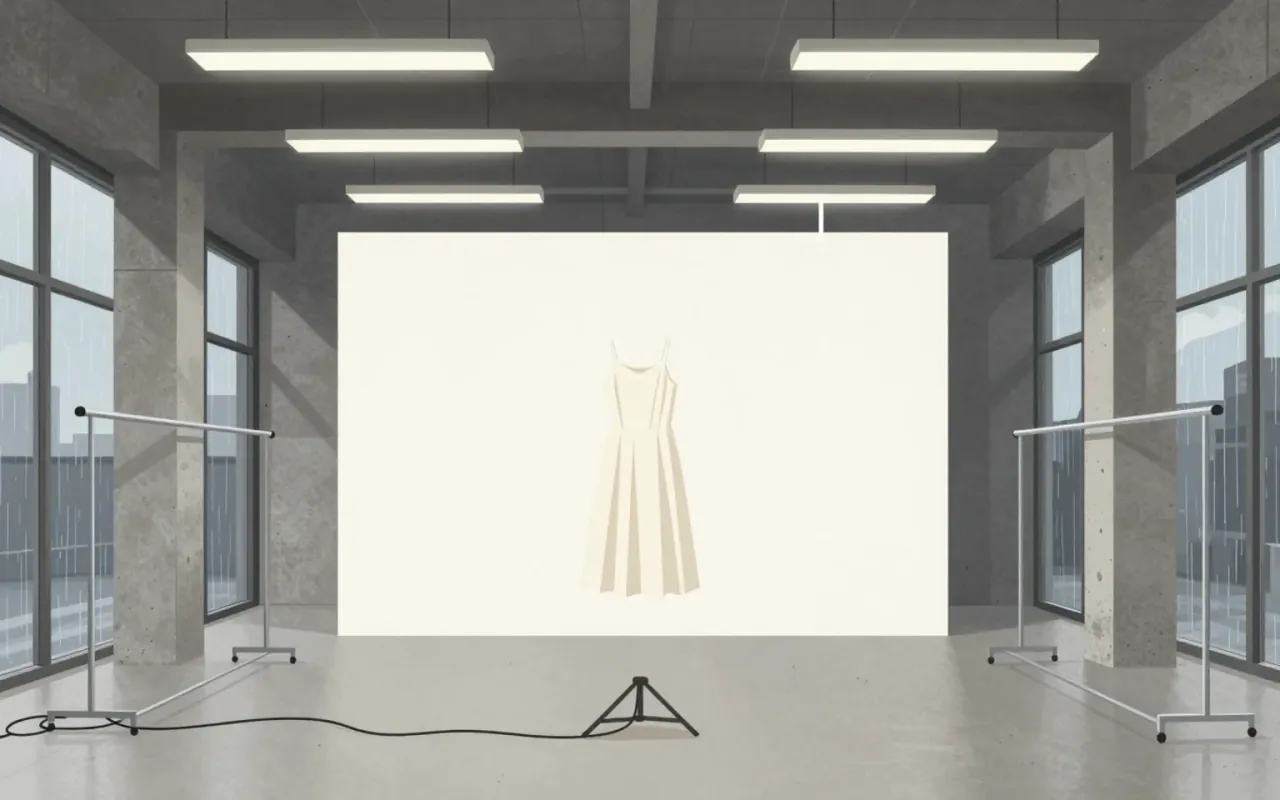
What the work is
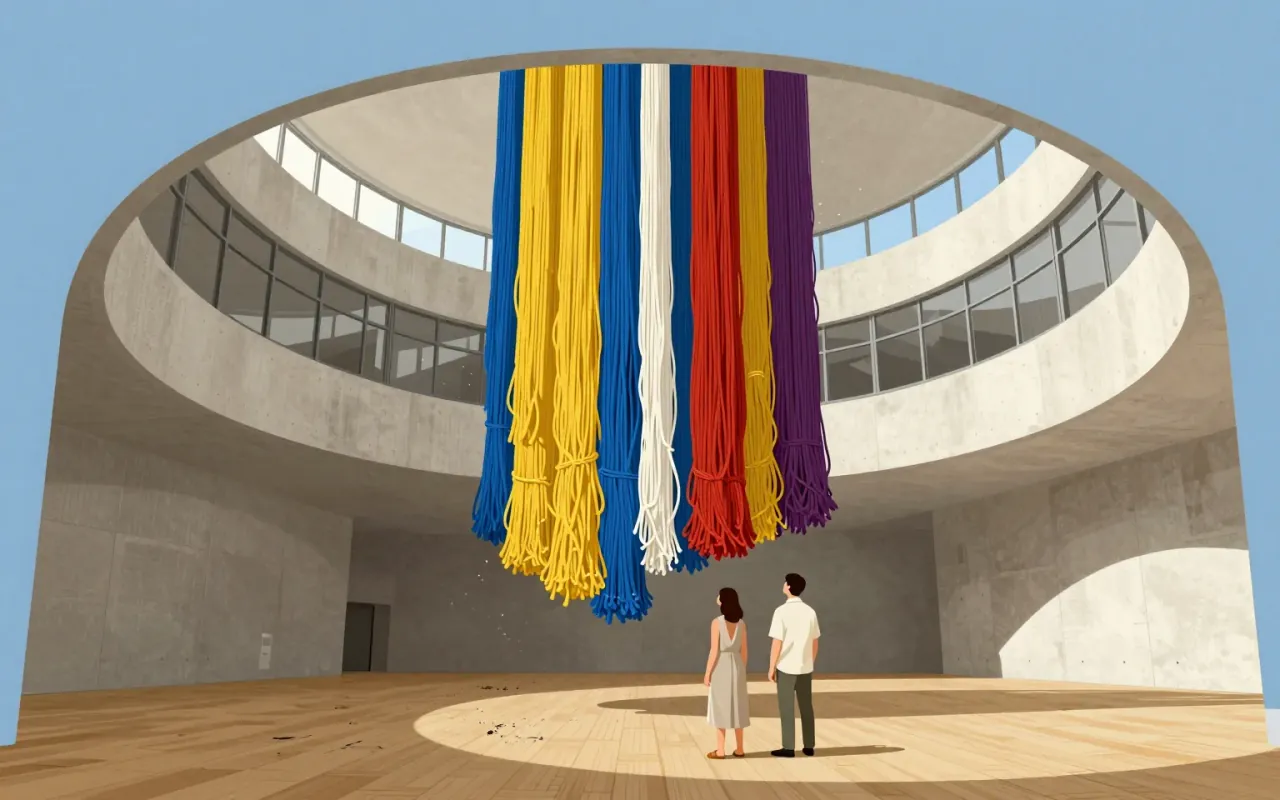
A sustained, transnational practice: stone sculpture, terracotta, public infrastructure planning, and electric lantern redesign — all grounded in direct material study and site-responsive observation.
How it was made
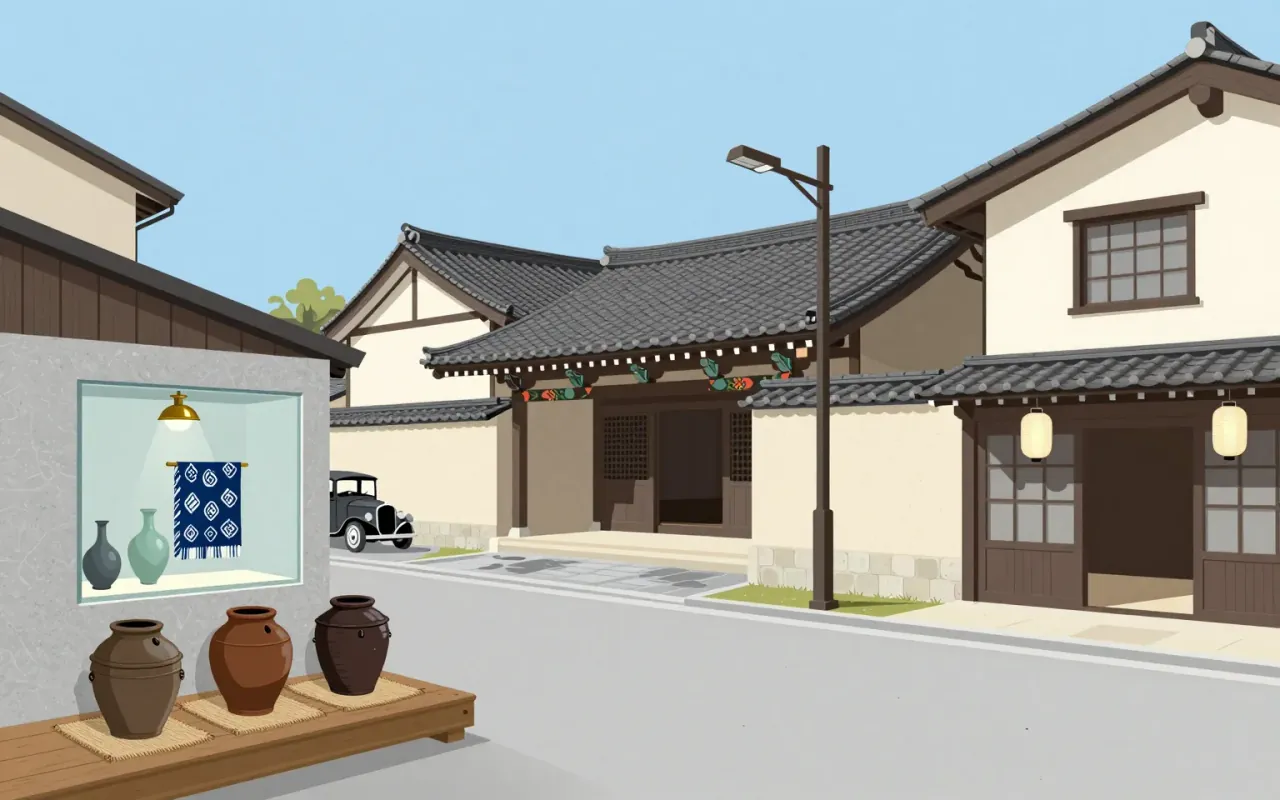
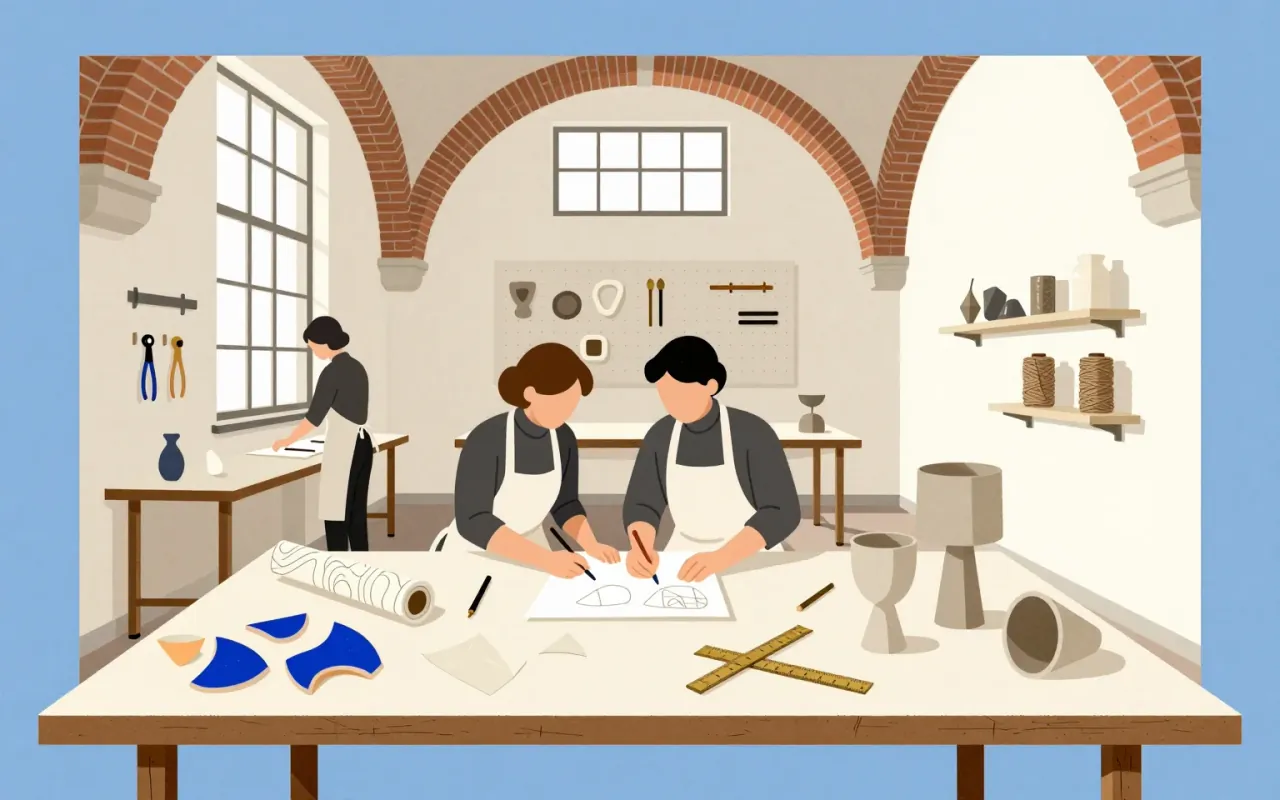
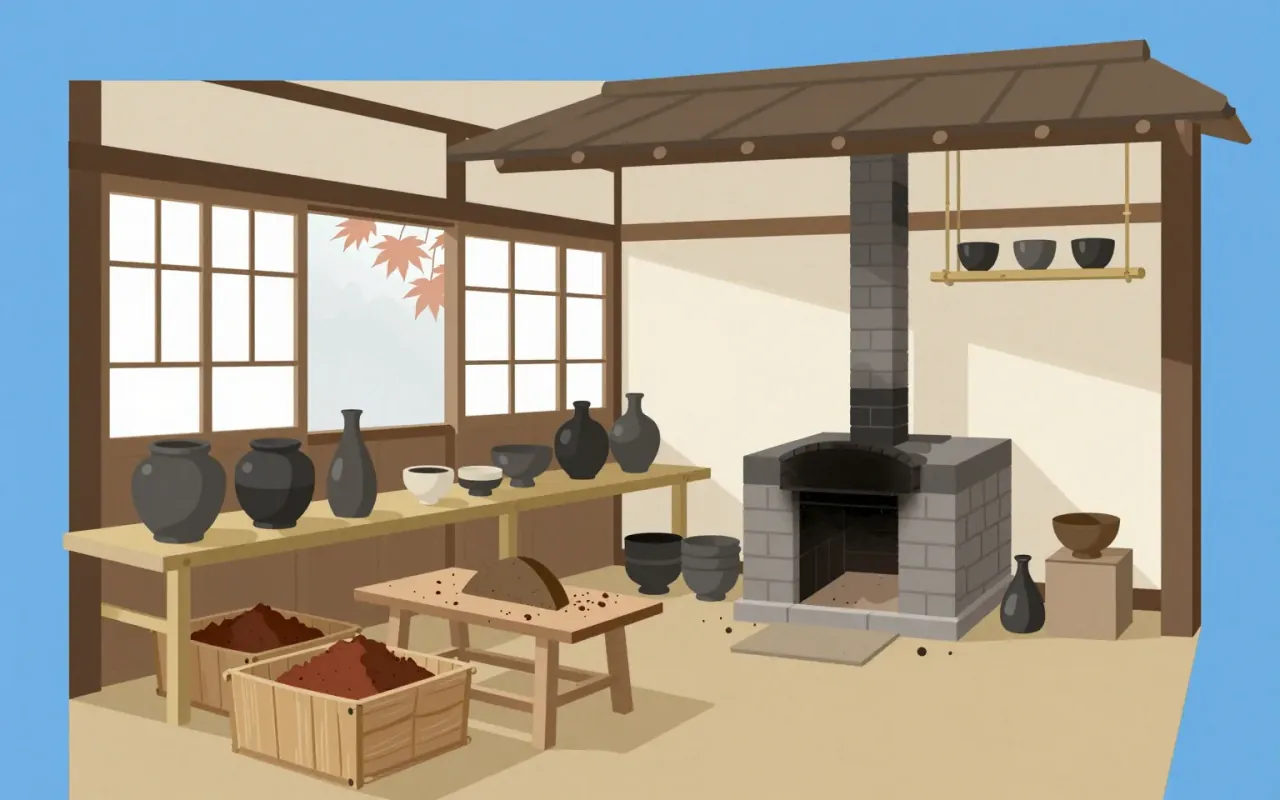
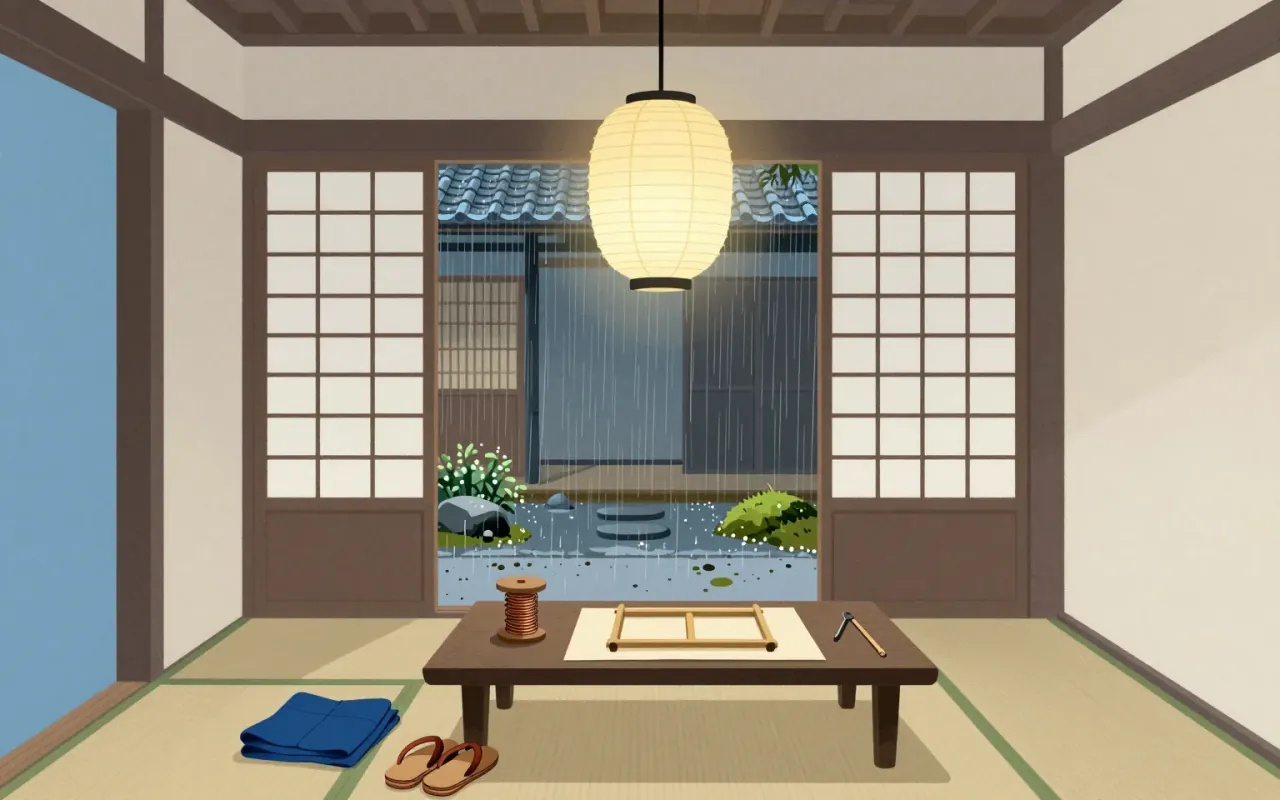
Noguchi learned stone carving under Brâncuși and Hernandes; studied brush painting with Qi Baishi in China for six months; observed Zen gardens and Kofun-period haniwa in Kyoto; redesigned Gifu’s paper lanterns using light bulbs and wire.
What works
The fusion of Brâncuși’s attention to the ‘value of the moment’, Qi Baishi’s brush discipline, and Japanese spatial sensibility produced coherent abstractions — like The Queen — that translate ritual form into modernist volume.
What does not
His Poston infrastructure designs were rejected outright; many proposals remained unrealized due to institutional refusal, not technical or aesthetic failure.
What it influenced
The Akari series redefined lanterns as sculptural light objects — a precedent for design-led reinterpretation of vernacular craft in industrial contexts.
Is it worth your time
Yes — his work demonstrates how cross-cultural method, not just motif, can generate durable formal language across media.