What the work is
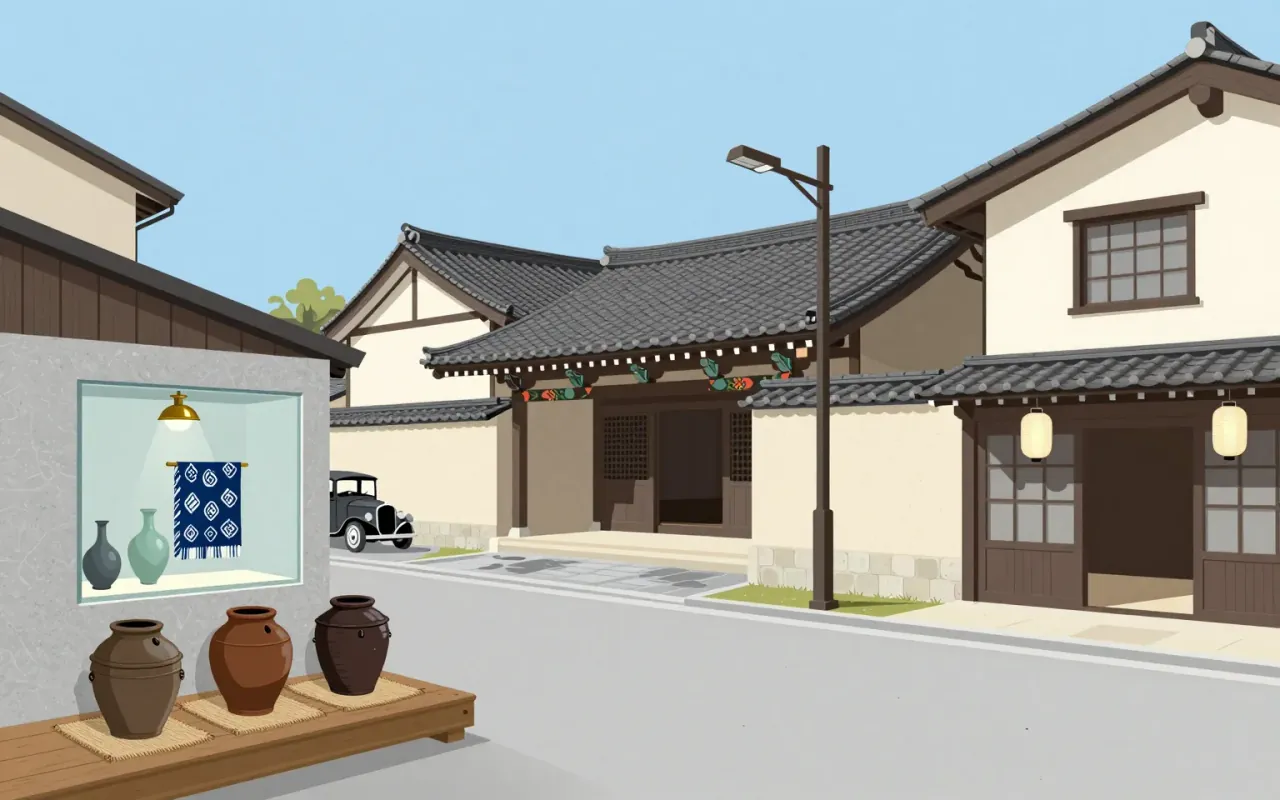
Shoji Hamada’s pottery is a body of work, grounded here in the Japan Folk Crafts Museum’s 2014 exhibition. The display paired his own ceramics with objects he collected, allowing making and looking to be considered together.
How it was made
The museum describes his use of Mashiko clay and glazes alongside techniques and references from elsewhere. Its account includes English slipware, Korean ceramics and Okinawan craft, complicating a view of the work as purely local tradition.
What works
A reference can become useful through practice rather than literal copying. Comparing a collected object with a finished pot encourages attention to gestures, surfaces and choices that are transformed in the act of making.
What does not
The language of natural or accidental beauty can hide skilled judgement. Irregularity alone does not make a strong pot, and a reproduction gives limited access to weight, surface and handling.
What it influenced
Hamada helped promote Mingei and established a reference museum in part of his home and studio in 1977. That made the objects informing his practice available as resources for others.
Is it worth your time
Worth studying through a specific vessel and its material context. Look beyond a general rustic appearance to the decisions in profile, glaze and decoration. The collected references make those decisions easier to question.