What the work is
Modernism is not an object, building, or artefact. It is a broad early 20th-century cultural movement spanning literature, visual arts, performing arts, and music. It is defined by method—experimentation, abstraction, subjective experience—not by a fixed visual language.
How it was made
Modernism was made through self-conscious rejection of tradition and a search for newer means of cultural expression. It emerged in the late 19th century in response to secularization, scientific advancement, industrialization, urbanization, and post–World War I shifts. It used collage, parody, and other recombinatory techniques. It featured reflexivity about artistic process and material basis.
What works
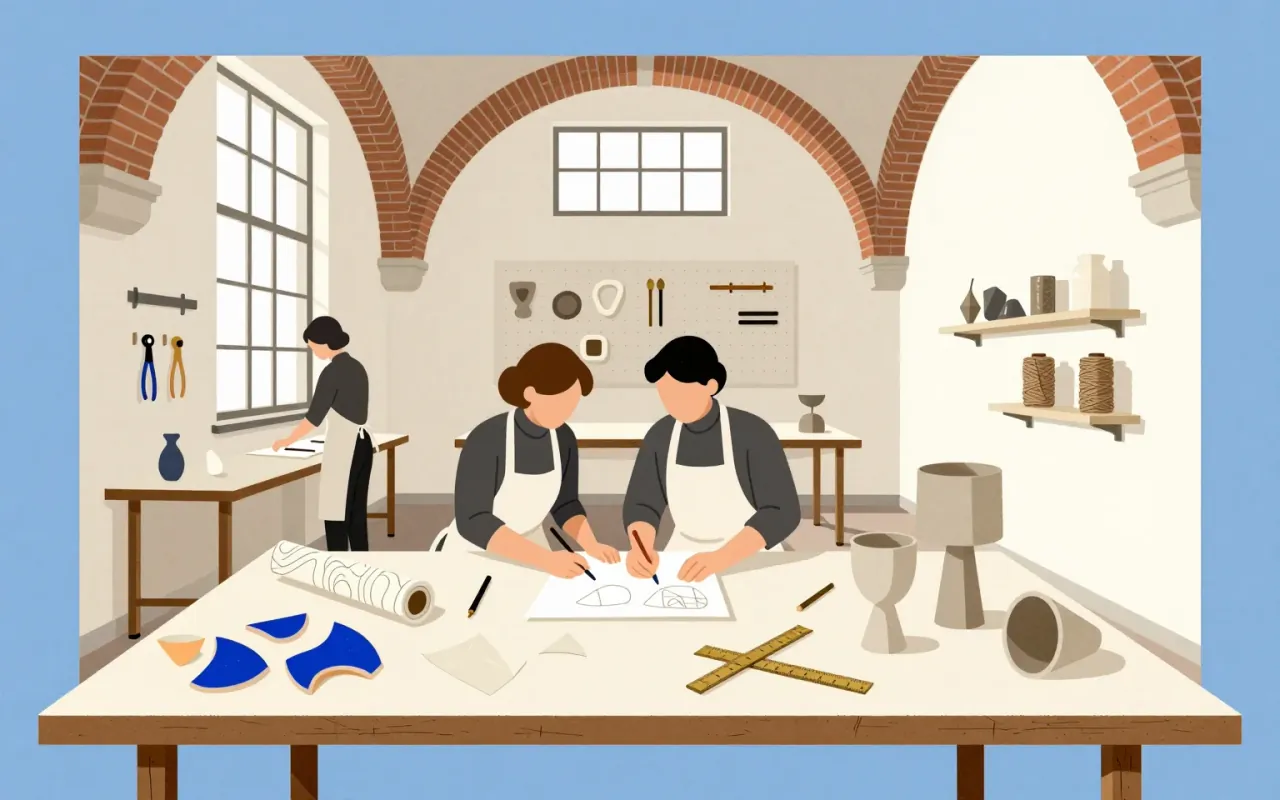
What works is its insistence on making the process visible: how artworks are made, what materials they use, how conventions shape perception. Its emphasis on alienation as a condition—not a problem to be solved—enables honest engagement with social fragmentation. Its rejection of absolute originality opens space for citation, collage, and critique.
What does not
Modernism does not offer stable norms, shared syntax, or consensus on form. It does not resolve alienation—it foregrounds it. It does not affirm Enlightenment rationalism—it critiques it. It does not unify disciplines—it fractures them to expose their conventions.
What it influenced
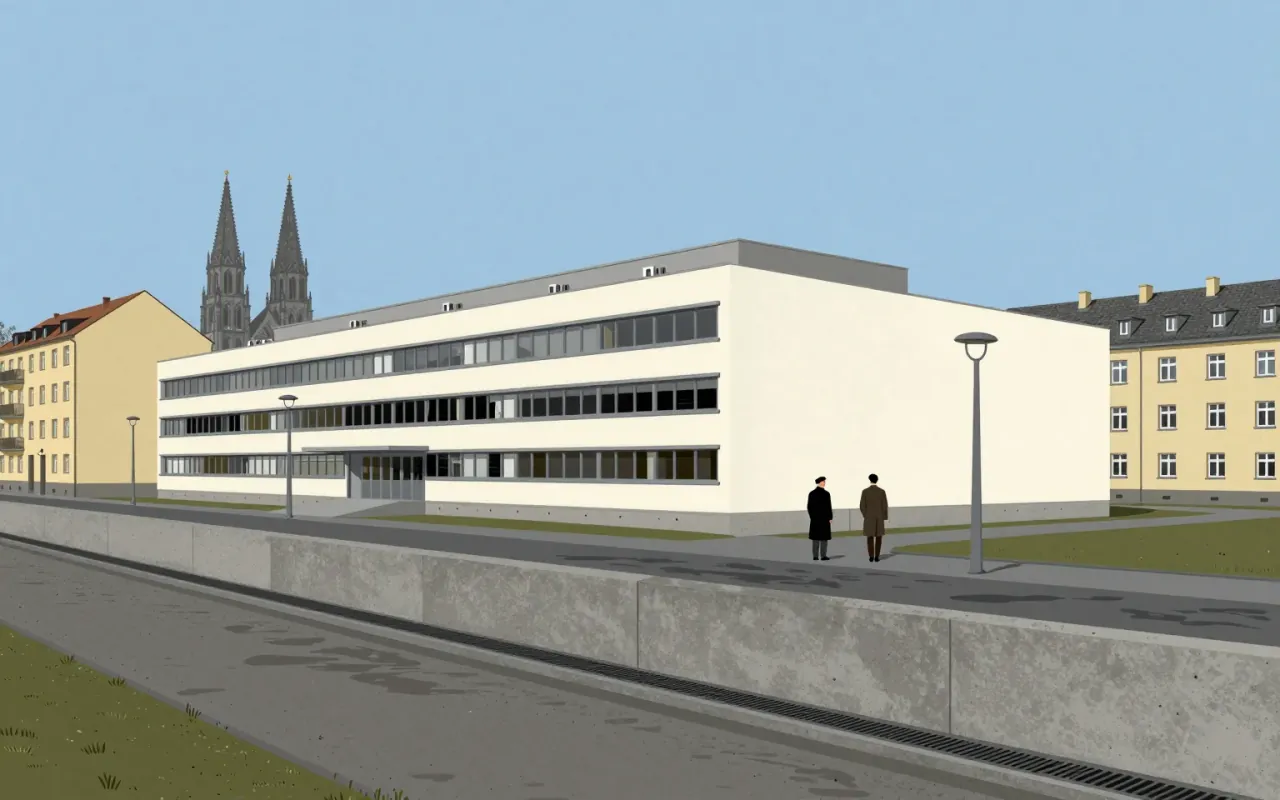
Modernism influenced design across architecture, typography, furniture, and urban planning by establishing abstraction, experimentation, and material reflexivity as legitimate aims—not just aesthetic choices but ethical positions. Its critical stance toward rationalism and tradition directly shaped Bauhaus pedagogy, Swiss graphic design, and postwar industrial design.
Is it worth your time
Yes—if you need to understand how 20th-century design, architecture, and visual communication broke from precedent to confront alienation, rationalism, and social convention. It is not a style guide or a set of formal rules; it is a methodological stance with direct consequences for how objects, spaces, and interfaces are conceived.