What the work is
Kartell is an Italian company that makes and sells contemporary furniture in plastic. It is headquartered in Noviglio, in the Metropolitan City of Milan, and is a subsidiary of Felofin. Claudio Luti is its chairman, chief executive officer and president, and Ferruccio Laviani is its current designer.
How it was made
Giulio Castelli founded the company, and it began manufacturing automobile accessories in 1949. In 1963 it expanded into home furnishings. Kartell became well known through the work of the designer and architect Anna Castelli Ferrieri.
What works
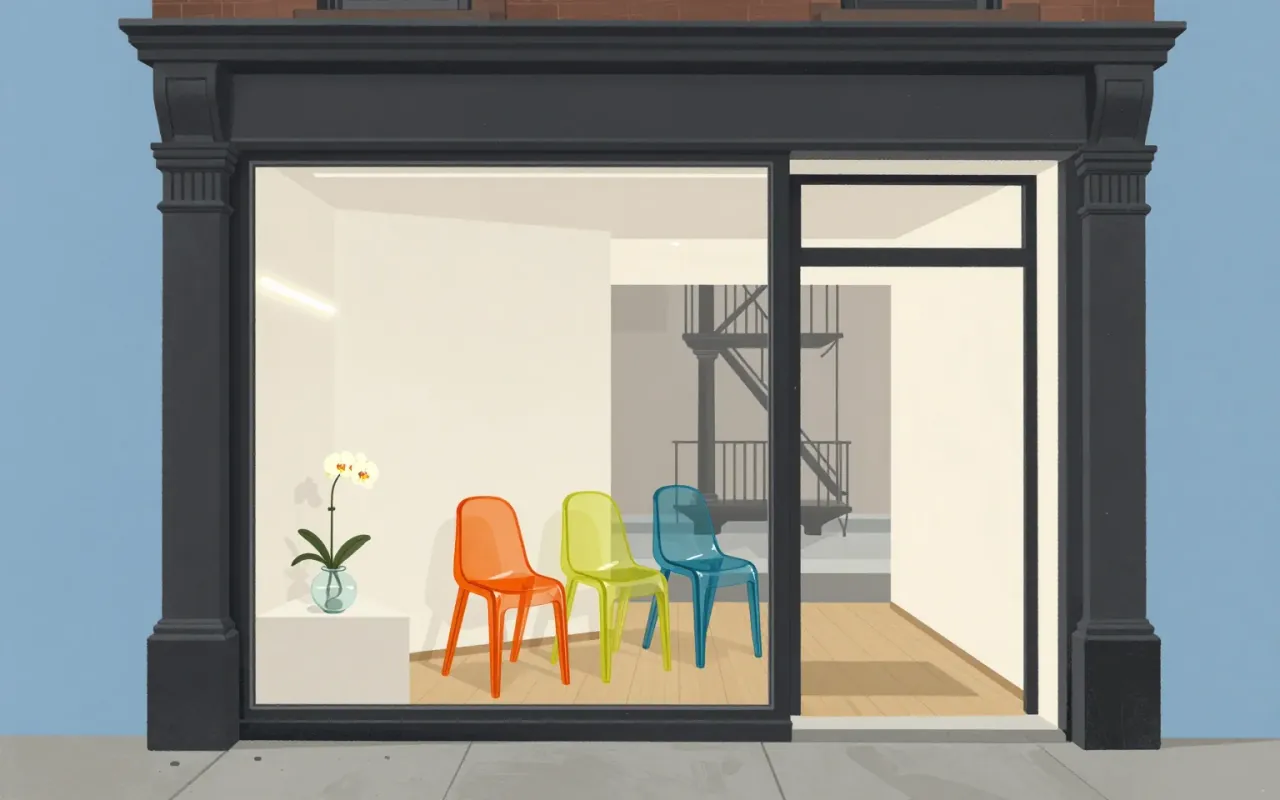
Kartell’s retail strategy is to stock items in various styles and colours at prices that appeal to impulse buyers. It opened its first United States store in 1998, on Greene Street in New York City, under Ivan Luini, then president of the US division. He went on to oversee stores in Miami, San Francisco, Atlanta, Boston and Los Angeles. More than 150 independent retailers in the United States also sell Kartell furnishings, and the company grosses $100 million per year.
What does not
The company is easier to judge as a seller than as a maker. Its figure of $100 million grossed per year is a single undated number, so it says little about growth.
What it influenced
What shows is reach. At the time of his death Luini was in discussions for Kartell’s plastic furnishings to be used in a hotel chain being designed by Philippe Starck. Laviani has created a style that Pianeta Design describes as “Bourgiemania”.
Is it worth your time
Yes, if you want the business story: a company that made automobile accessories from 1949, moved into furniture in 1963 and now sells plastic pieces in many styles and colours through its own stores and independent retailers. This brief does not describe any single piece.