What the work is
Mendini’s work is a body of cross-media practice — furniture, architecture, painting, writing — unified by conceptual methods: Re-Design, ritual, and the spiritual reframing of everyday objects.
How it was made
Mendini worked across graphics, furniture, interiors, paintings, architecture and writing. He collaborated with Studio Alchimia alongside Ettore Sottsass and Michele De Lucchi. He developed the Proust Armchair using Re-Design — a method that combined existing designs and abstract forms. He built the Lassú chair in 1974 as a pyramid-based structure rejecting conventional function. He ritually burned the Lassú chair, photographing it for Casabella’s 1975 cover.
What works
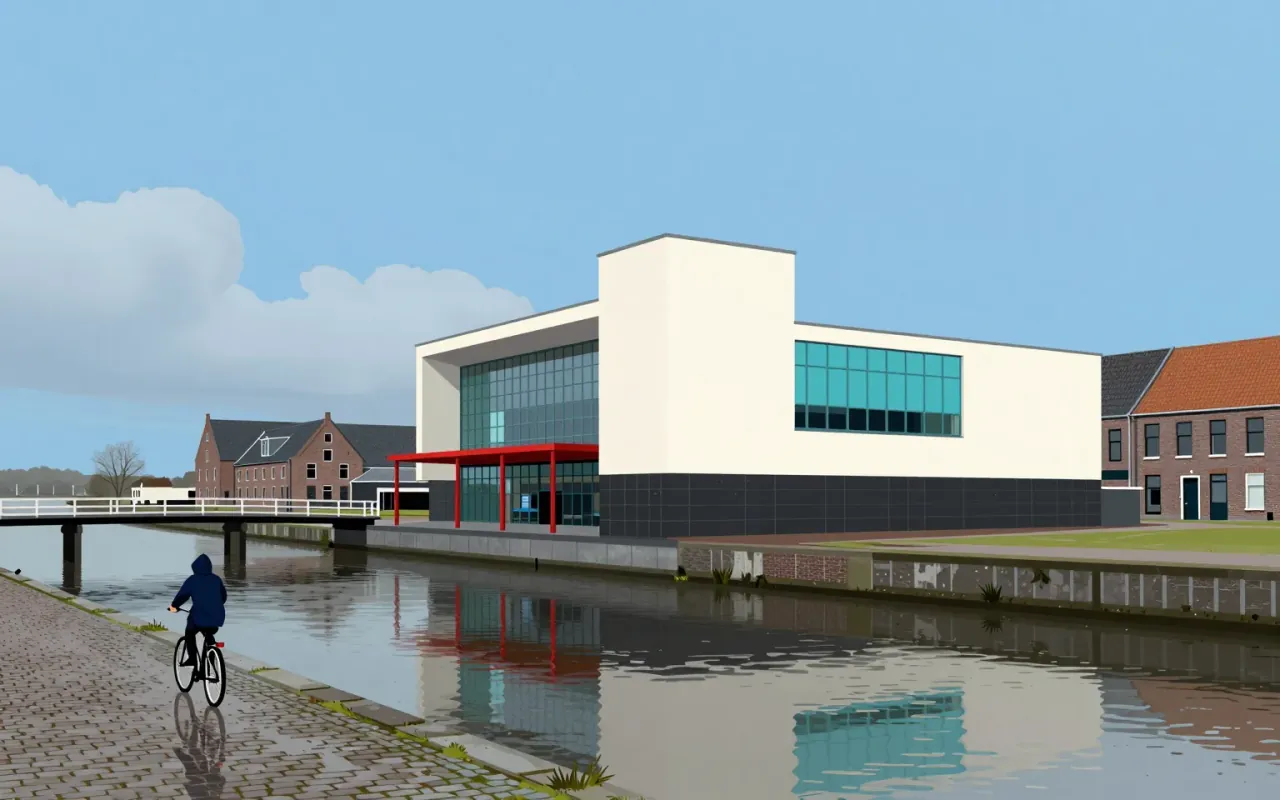
The Proust Armchair proves experimental ideas can coexist with realistic design logic. The Lassú chair’s ritual burning reinforced the domestic object as spiritual conduit. The Groninger Museum is confirmed as a landmark of postmodern architecture. Mendini’s methodological range across media is verified and consequential.
What does not
The material does not establish any functional utility for the Lassú chair. It does not claim the Proust Armchair was mass-produced, commercially successful, or ergonomic. It does not attribute specific buildings or objects to Mendini alone — only the Groninger Museum as a result, and only as regarded by others.
What it influenced
The material confirms the Groninger Museum is regarded as one of the most remarkable postmodern buildings of the late 20th century. It confirms the Proust Armchair and Groninger Museum are landmarks of postmodernism. It confirms Mendini’s Re-Design concept and spiritual framing of domestic objects entered critical discourse.
Is it worth your time
Yes. Mendini’s work establishes postmodernism not as style but as method: Re-Design, spiritual framing, ritualised gesture. It rewards close attention because its logic is conceptual, not formal — and its contradictions are deliberate, not unresolved.