What the work is
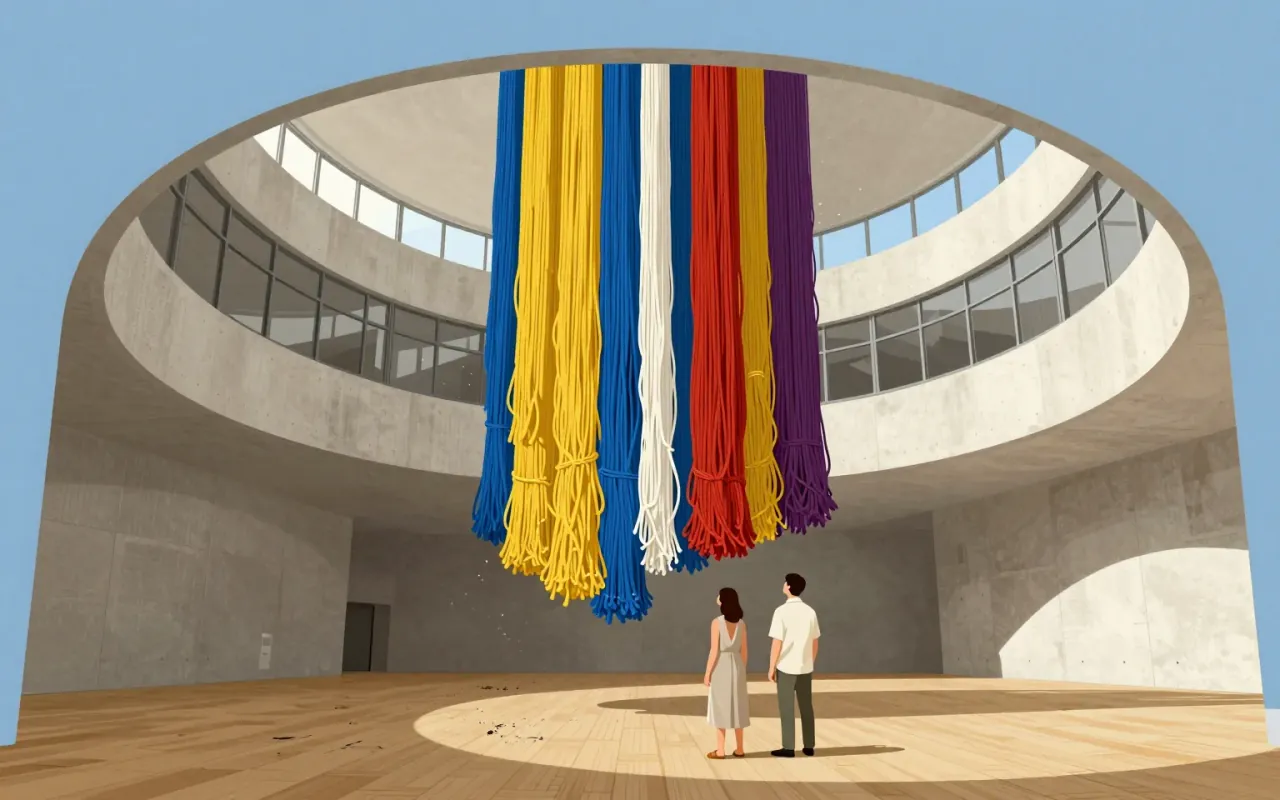
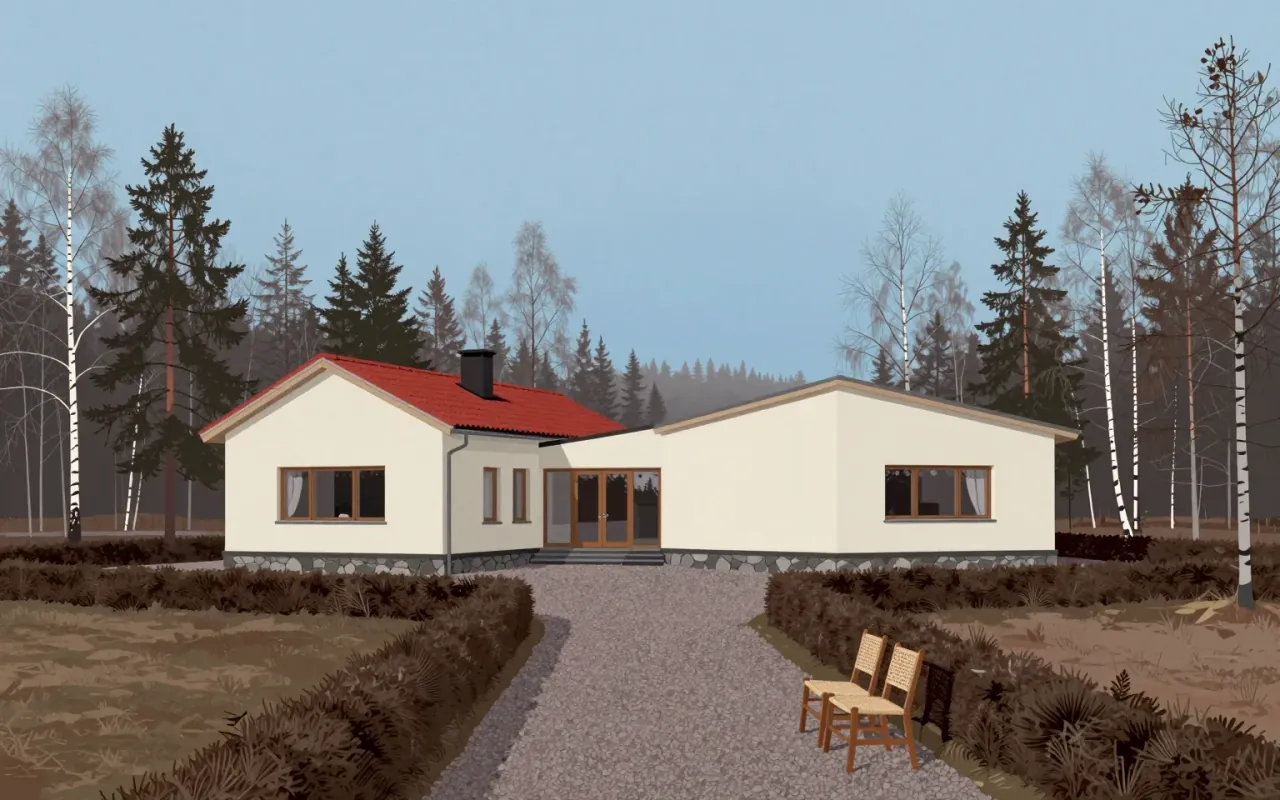
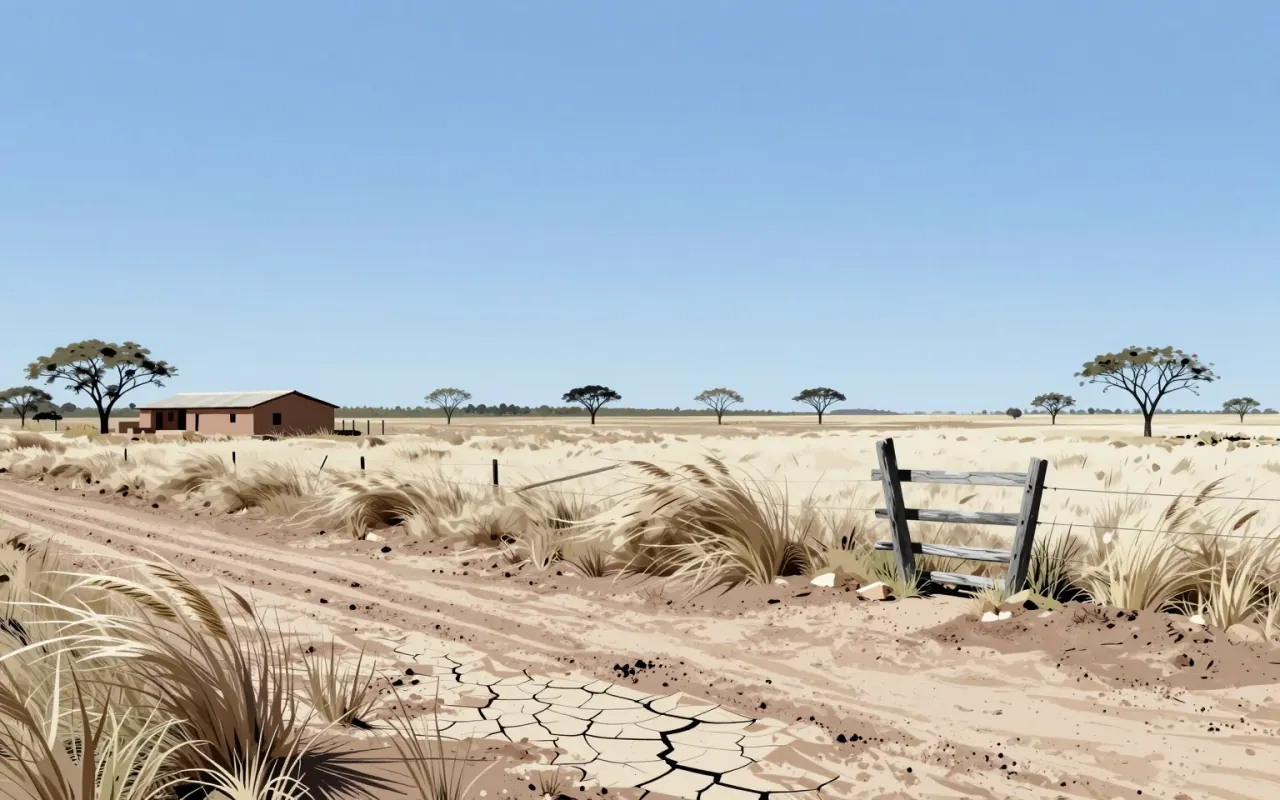
A series of large-scale hand-tufted textile abstractions depicting Argentine landscapes altered by climate change or human activity.
Alexandra Kehayoglou was born in 1982 in Buenos Aires to a family of carpet-makers. Her grandparents immigrated from Isparta, in present-day Turkey, in the 1920s, bringing the practice of making Ottoman-style rugs, and her grandmother founded the carpet-making company El Espartano. She grew up in a house surrounded by a garden, a forest, a farm and a river, a setting linked to her interest in nature and the Argentine landscape. She lives and works in Athens and won Argentina’s Konex Award in 2022.
How it was made
She uses hand-tufting — a laborious textile weaving method — and recycled scrap yarn from her family’s factory. She travels to locations in Argentina to research landscapes firsthand.
Her scale is documented in a 2015 commission: Dries van Noten ordered a tufted rug for a Paris Fashion Week catwalk that covered the entire stage. It came in four parts totalling 144 square meters and was completed by three 10-member teams in 16 days. The carpet is an abstraction of the Argentine landscape where she lives.
What works
The use of recycled yarn grounds the work in material continuity with local industry. Hand-tufting imposes slowness and scale as ethical conditions — each metre requires hours of physical labour, mirroring the time required for landscape recovery.
Named works tie the method to particular places. No Longer Creek (2016) documents Raggio Creek, north of Buenos Aires, where she used to go running and whose banks have been damaged by human activity; it shows what the creek used to look like. Santa Cruz River (2017), made for the National Gallery of Victoria Triennial, is named for a river that was the proposed site of two major hydroelectric dams. Prayer Rugs (2018) addresses the Parana Delta Wetlands, damaged by deforestation, hunting, introduced fauna and domestic and industrial pollution, and documents the “micro-narratives” of surviving plants and wildlife.
What does not
The work does not propose technical solutions, policy frameworks, or scalable interventions. It makes no claim to functional utility, durability testing, or industrial reproducibility.
What it influenced
The work influenced discourse around textile art as ecological documentation — shifting attention from decorative surface to embodied geography — though no specific projects, policies or collaborations are verified in the sources.
Is it worth your time
Yes, if you need to see how craft-based textile practice can operate as direct environmental testimony — not illustration, but material witness.