What the work is
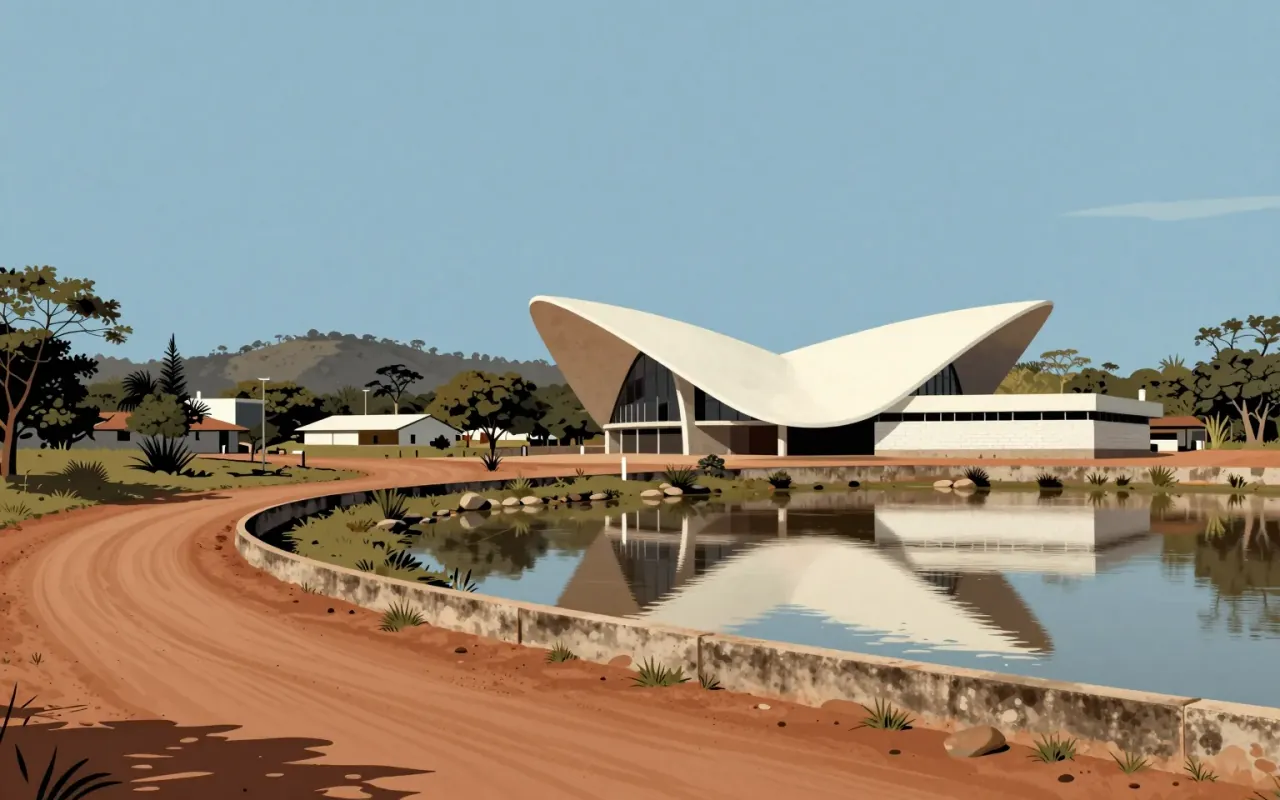
Two late churches—St. Mark’s at Björkhagen (1956) and St. Peter’s at Klippan (1963–66)—and earlier collaborative projects: Skogskyrkogården (1914–15 competition entry), the 1930 Stockholm International Exhibition, and the Malmö Opera (1933–44).
How it was made
Lewerentz collaborated with Gunnar Asplund on the 1914–15 Skogskyrkogården competition entry, then co-led the 1930 Stockholm International Exhibition before withdrawing from architecture. He later co-designed the Malmö Opera (1933–44) with Erik Lallerstedt and David Helldén. His late churches emerged after a decades-long hiatus: St. Mark’s at Björkhagen (1956) and St. Peter’s at Klippan (1963–66).
What works
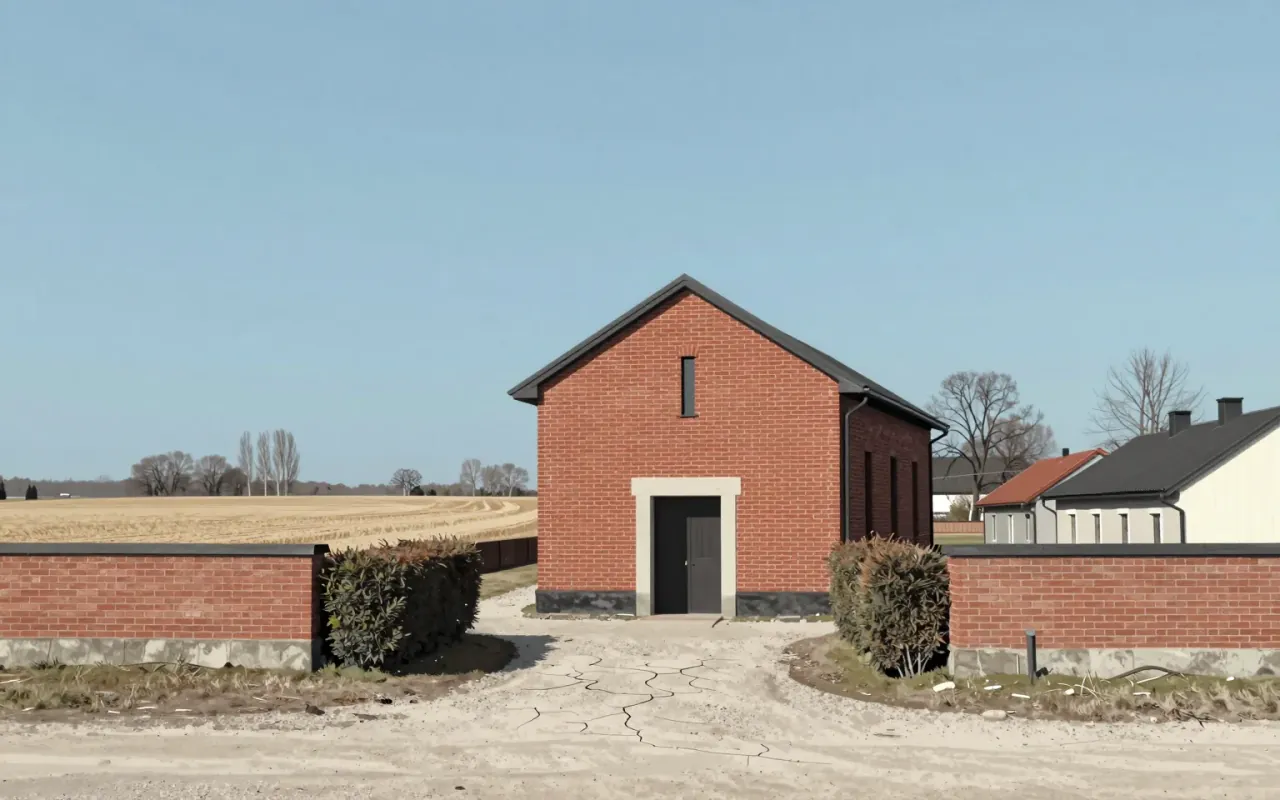
St. Peter’s at Klippan is square, placing the altar opposite the west doors, evoking early Christian circonstantes. Its suburban location on the periphery of a small southern Swedish town anchors ritual in modest, specific ground—not abstraction.
What does not
The sources say nothing about construction methods, budgets, materials, dimensions, acoustics, or user experience. No claim can be made about structural innovation, cost, durability, or accessibility.
What it influenced
The sources do not state what Lewerentz influenced. No successors, movements, publications, or built works are named as outcomes of his work.
Is it worth your time
Yes—if you need to understand how architectural withdrawal and return shape spatial intention. The churches demand attention for their liturgical rigour and material austerity, not their biography.