What the work is
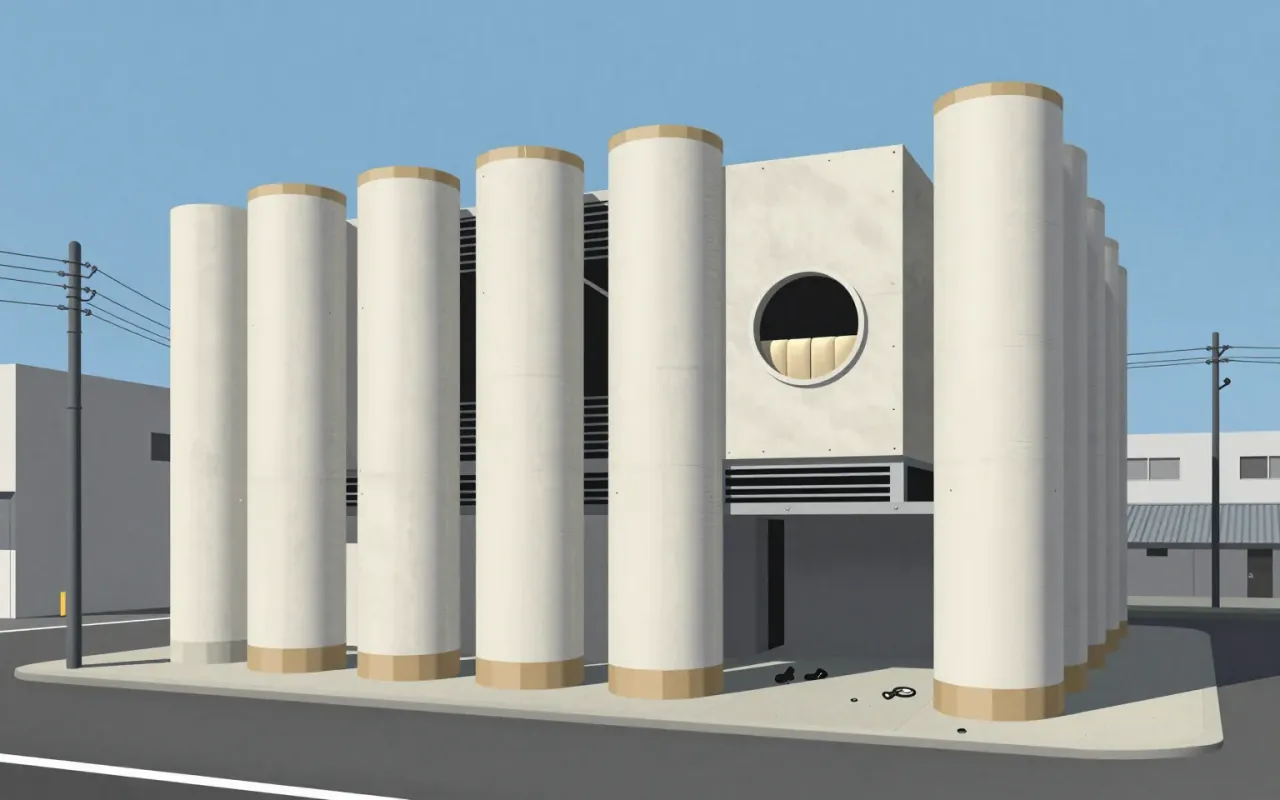
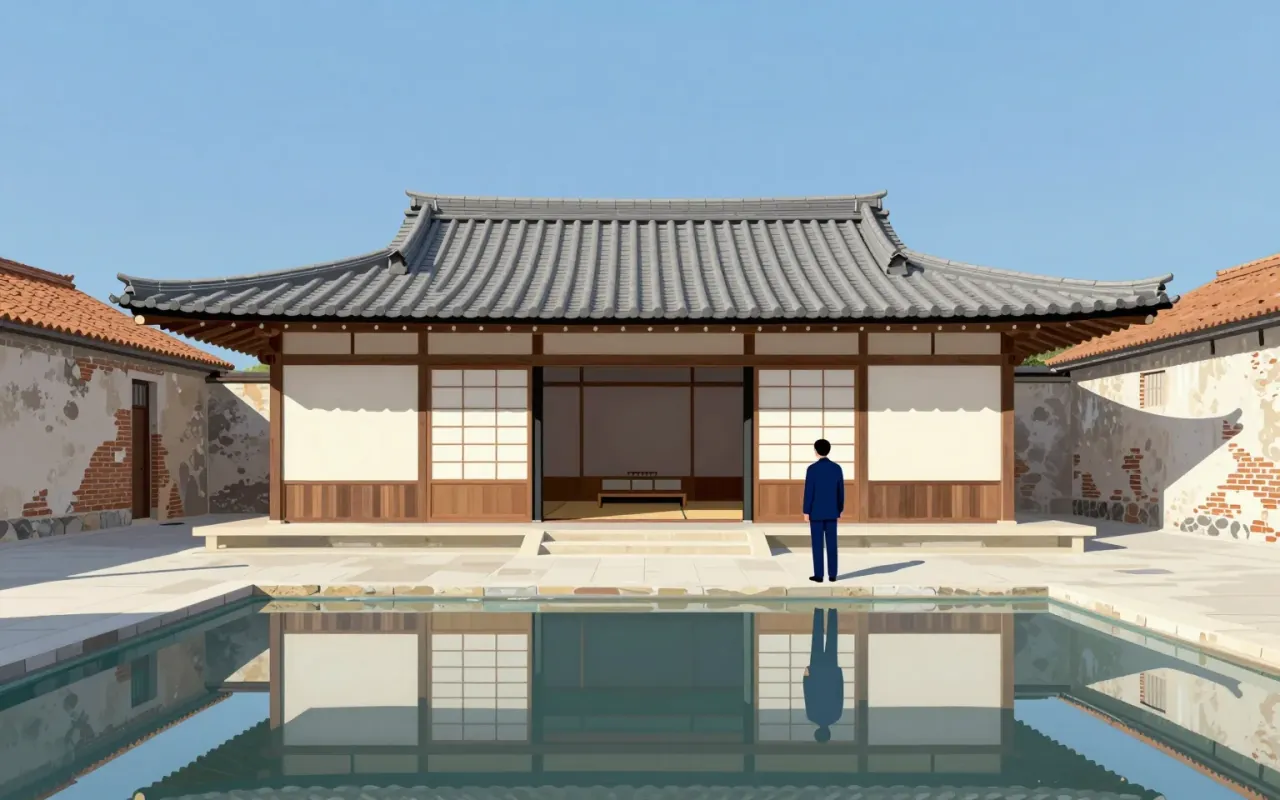
He designed the Japanese pavilion at the 11th Venice Architecture Biennale in 2008. He designed the KAIT Workshop at Kanagawa Institute of Technology. He won the Golden Lion for Best Project at the 12th Venice Architecture Biennale in 2010.
How it was made
He completed a master’s degree in architecture and planning at Tokyo National University of Fine Arts and Music in 2000. Between 2000 and 2004, he worked with Kazuyo Sejima at SANAA before founding junya.ishigami+associates.
What works
His work is credited with integrating contextual complexity — a specific, repeatable architectural ambition. That integration earned him the Architectural Institute of Japan Prize in 2009 and the Golden Lion in 2010. The award pattern confirms consistency across distinct commissions: pavilion, workshop, Biennale installation.
What does not
The material does not establish any design process beyond education and employment history. It names no collaborators, no clients beyond institutions (Kanagawa Institute of Technology, Venice Biennale), no materials, dimensions, budgets, or construction constraints. It offers no critique of limitations or failures.
What it influenced
The material states only that his integration of context’s complexity led to a Global Award for Sustainable Architecture in 2010. It does not name influenced firms, pedagogies, publications, or subsequent projects that cite him.
Is it worth your time
Yes — his early built work between 2008–2010 establishes a clear, repeatable method: using architectural form to absorb contextual complexity. That method is legible in the pavilion, workshop, and Biennale project. It is worth your time if you are tracking how architects resolve site-specific contradiction without resorting to metaphor or gesture.