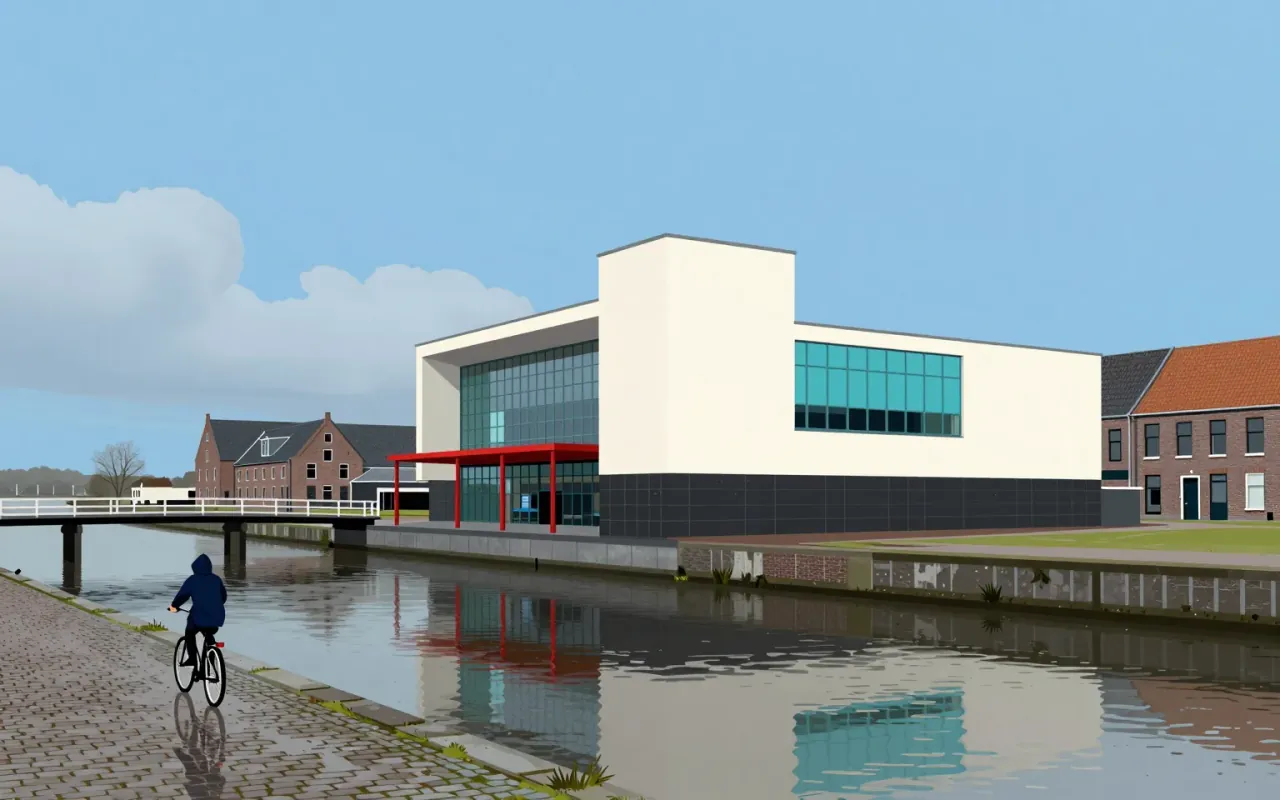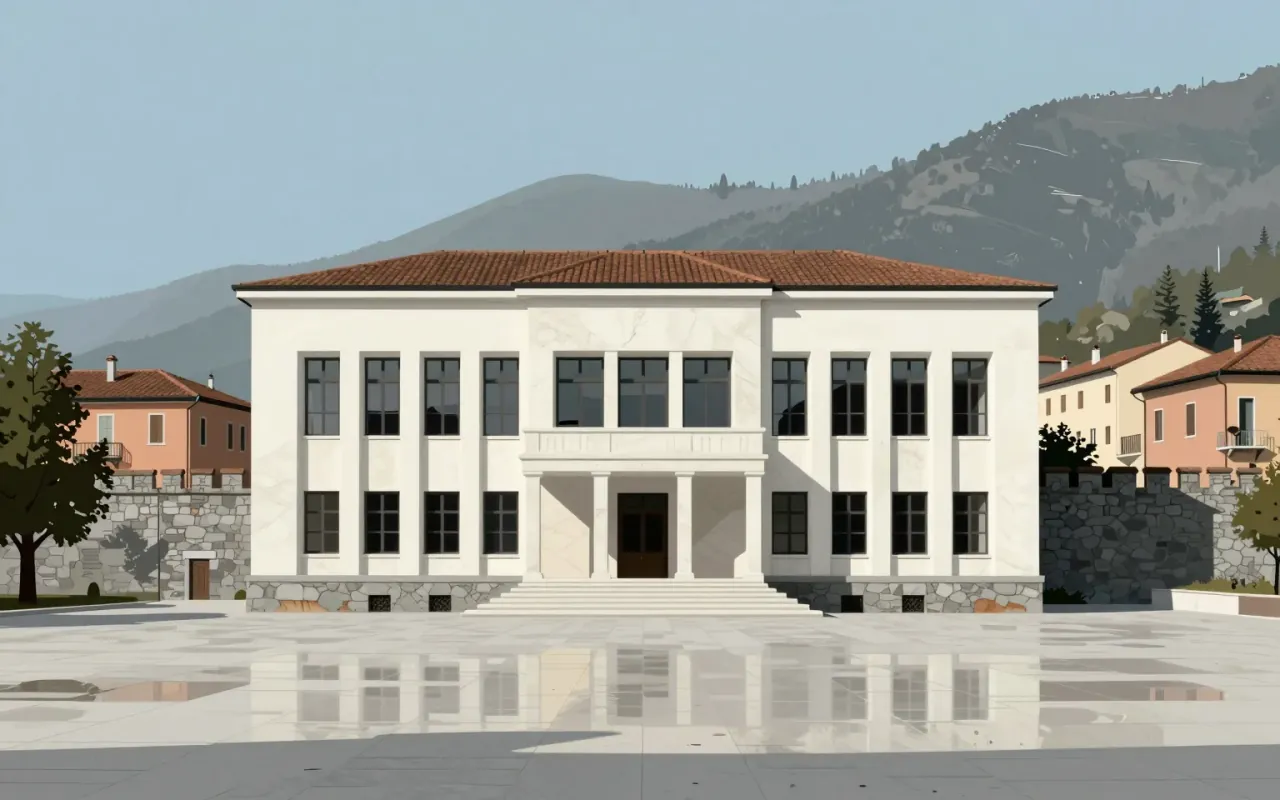
What the work is
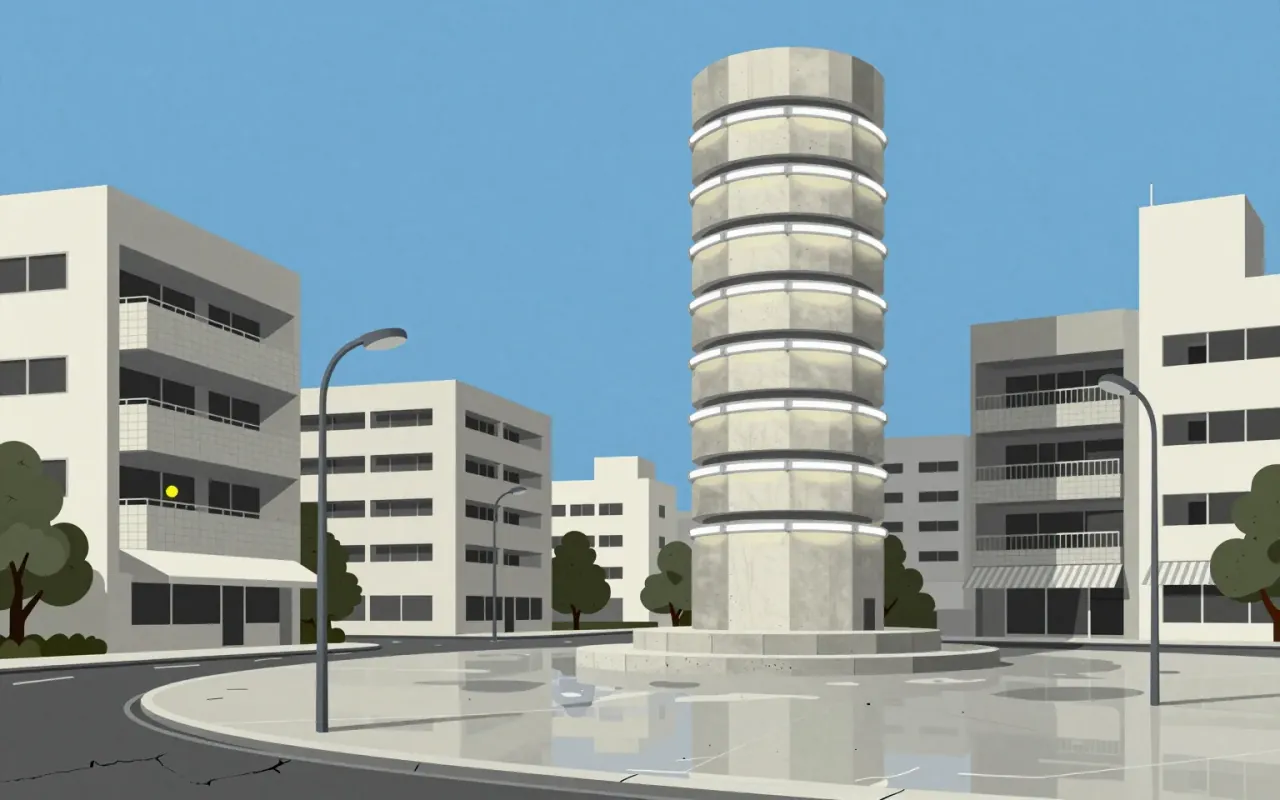
Rossi’s work is a method: architecture conceived as enduring urban artifact, structured by monuments, modelled on ancient European cities. His largest built project is the San Cataldo Cemetery—a ‘city of the dead’ begun in 1971 in Modena, Italy.
How it was made
Rossi built architecture from typology and historical continuity, not function or novelty. His earliest works drew on 1920s Italian modernism, Viennese classicism, and metaphysical painting. He studied cities as layered artifacts, focusing on elements that persist across time.
What works
His method establishes monuments as anchors of collective memory. It treats the city as historically constructed, not programmatically determined. It resists obsolescence by rejecting stylistic novelty in favour of typological persistence. His product designs mirror the formal autonomy of his buildings.
What does not
The sources do not establish Rossi’s work as responsive to site-specific conditions, user behaviour, material experimentation, or economic constraints. Nothing confirms adaptation to climate, accessibility, construction logistics, or budgetary limits.
What it influenced
Rossi influenced architectural thinking about monuments as urban memory structures, and extended typological reasoning into product design—framing objects as ‘micro-architectures’ with formal independence.
Is it worth your time
Yes—if you need to understand how architecture can resist obsolescence by anchoring design in collective memory rather than trend. No—if you seek technical innovation, programmatic responsiveness, or social engineering.