What the work is
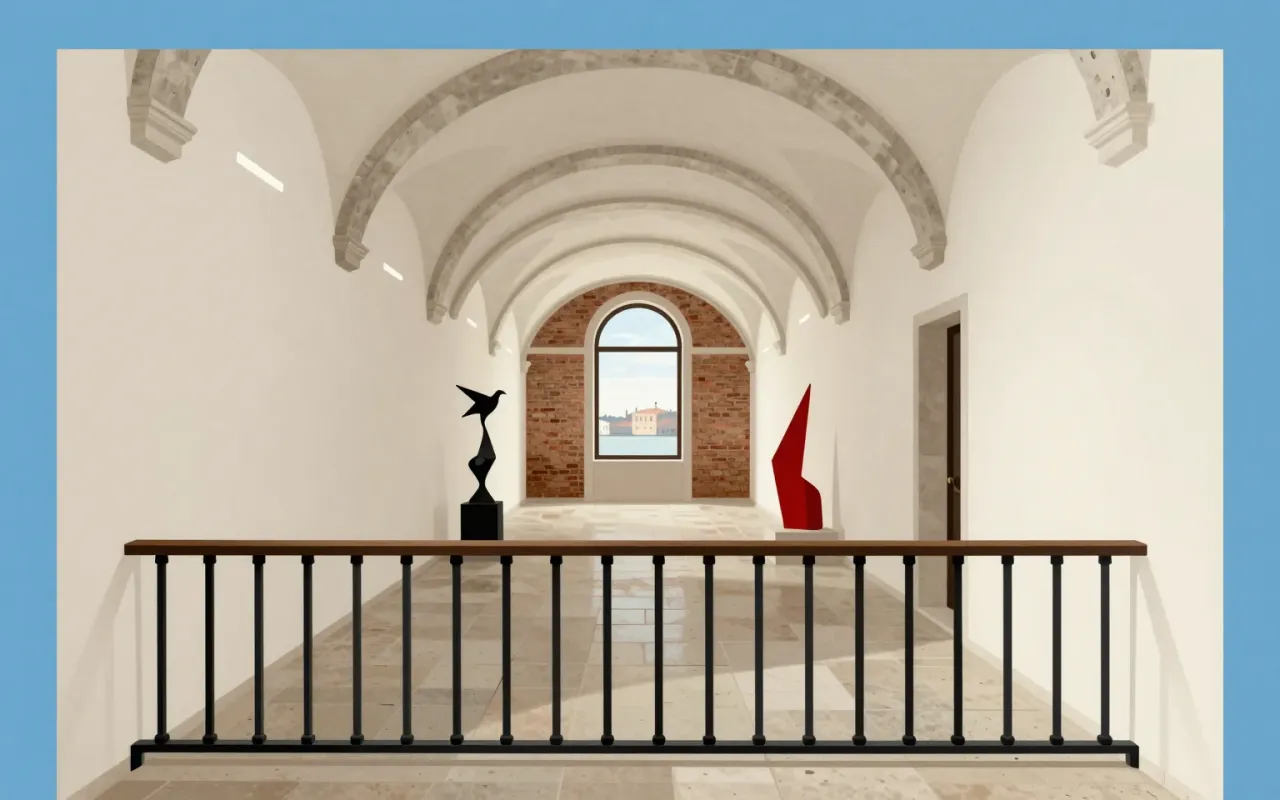
A body of architectural and curatorial work centred on museums and cultural institutions in Brazil, including Solar do Unhão and interventions in former factories and colonial buildings.
How it was made
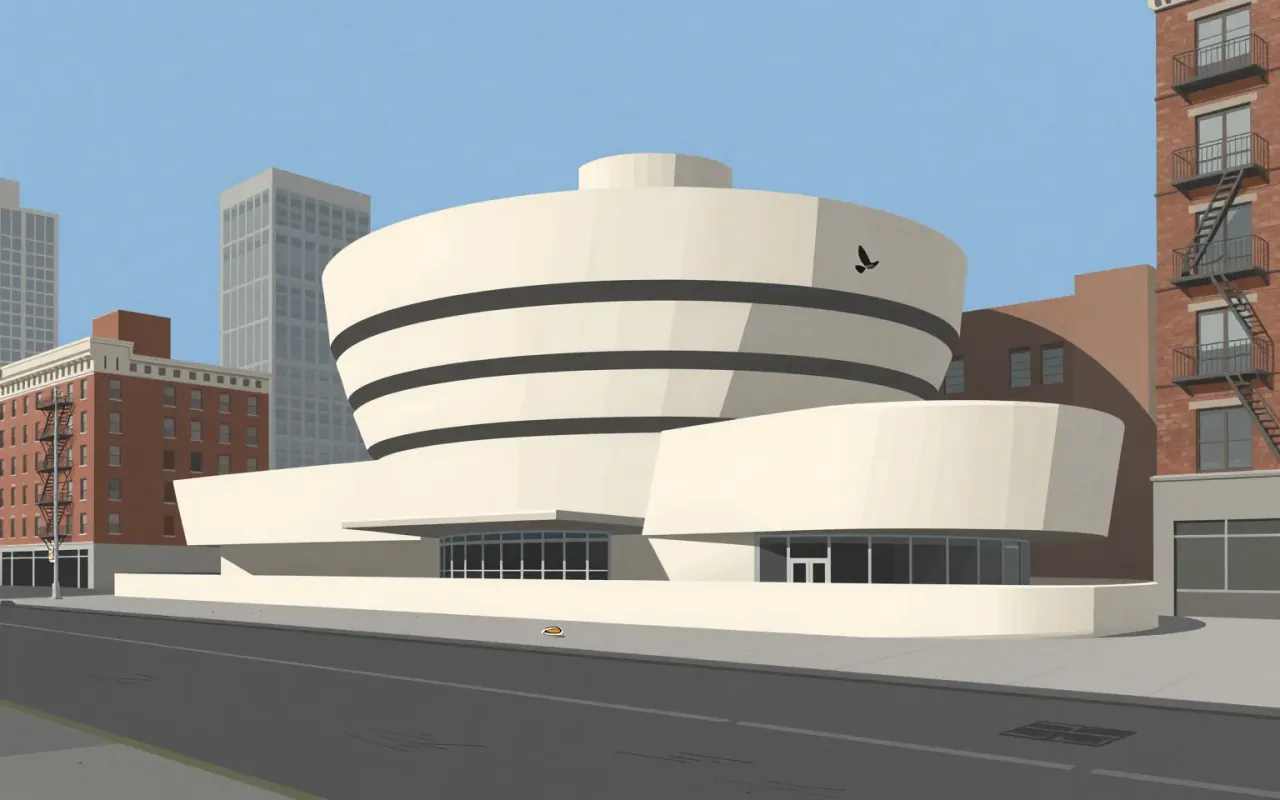
She used architectural illustrations and personal notes to communicate design intent. She stripped plaster and sandblasted factory walls to expose raw concrete. She built with pre-stressed concrete without embellishment. She adapted colonial and industrial structures, inserting modern staircases and designing crystal easels. She drew formal inspiration from widely publicized American modernist houses.
What works
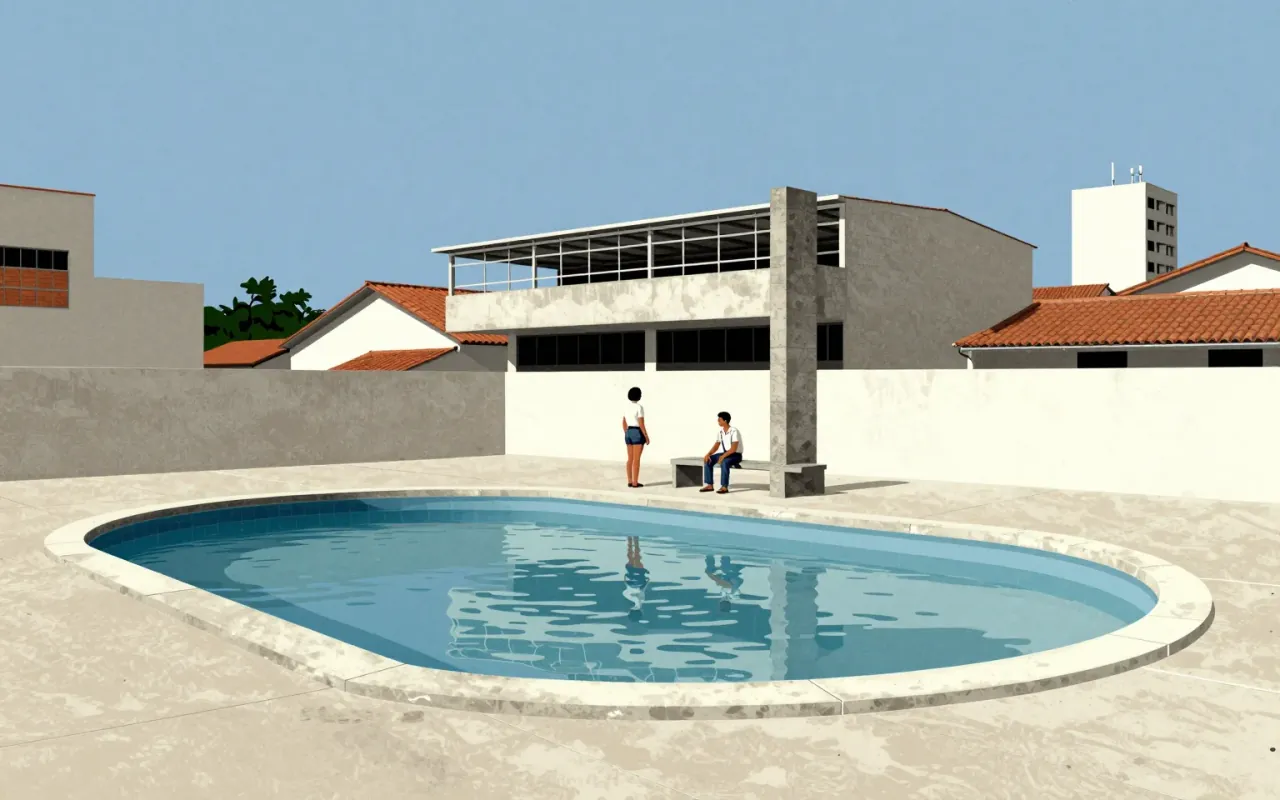
Her use of exposed concrete establishes structural honesty and material efficiency. Her non-chronological, open-plan exhibitions produce dissonance that challenges preconceived order. Her adaptive reuse preserves existing social uses while asserting new civic functions. Her integration of vernacular ideas—rather than forms—grounds modernism in local logic.
What does not
Her museum exhibition designs do not offer intuitive navigation or narrative continuity. They reject chronology and hierarchical curation. They do not prioritise visitor comfort or conventional didactic sequencing.
What it influenced
Her work influenced approaches to adaptive reuse in Latin American architecture, the integration of vernacular ideas—not motifs—into modernist practice, and the use of exhibition space as a site of critical dissonance rather than passive reception.
Is it worth your time
Yes—if you are interested in how architecture can assert social purpose through material honesty, adaptive reuse, and deliberate discomfort. No—if you expect resolved forms, decorative detail, or chronological coherence.