What the work is
Charlotte Perriand remodeled her husband Jacques Martin’s Tokyo residence after his return to Japan in 1969. Christie’s documents an interior combining paper screens and low furniture, with surviving objects dated around 1969–70. This is a specific domestic commission within her long relationship with Japan.
How it was made
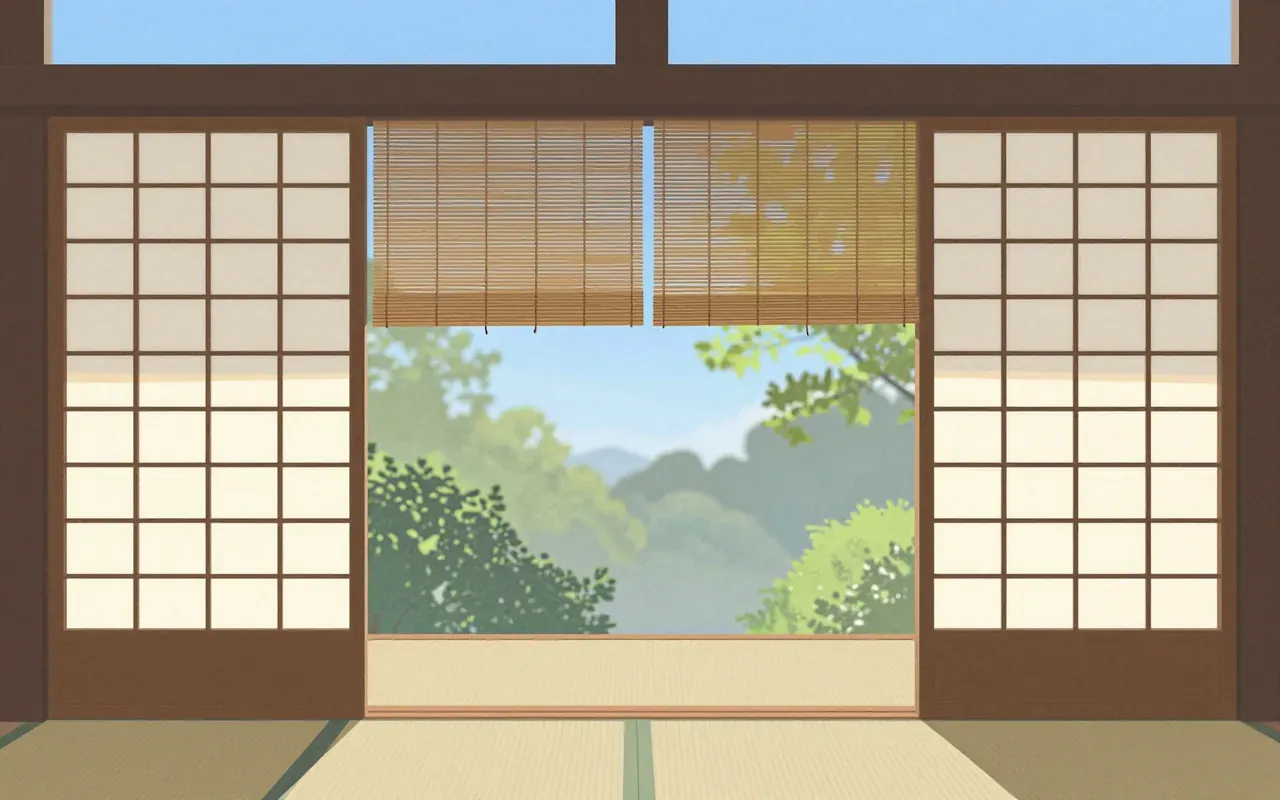
The auction record describes shoji made with washi paper and sudare used to filter daylight. A low table combines hinoki wood and glass. A second record documents a Japanese-made square tabletop placed on an Eero Saarinen Tulip base and painted black for the living room.
What works
The combination suggests an interior designed through relationships among objects, light and enclosure. Adapting an existing table base also makes authorship more interesting: the room’s coherence need not depend on every component being designed from scratch by one person.
What does not
Surviving furniture records offer only a partial account of the apartment. They do not establish its complete plan or how comfortably it served everyday routines. A compelling object should not stand in for a full evaluation of the residence.
What it influenced
The documented furniture preserves evidence of Perriand’s exchange with Japanese materials and domestic conventions. These records do not demonstrate that this particular apartment generated a subsequent movement; its significance is clearer as a concrete instance of her approach to interiors.
Is it worth your time
Worth studying as a small commission where furnishing and light control work together. Compare the adapted table with the low wooden piece, and consider how each might organize sitting and conversation without assuming the surviving objects reconstruct the entire room.