What the work is
A sequence of co-managed London boutiques functioning as design incubators, marketing vehicles, and ideological platforms for punk fashion.
How it was made
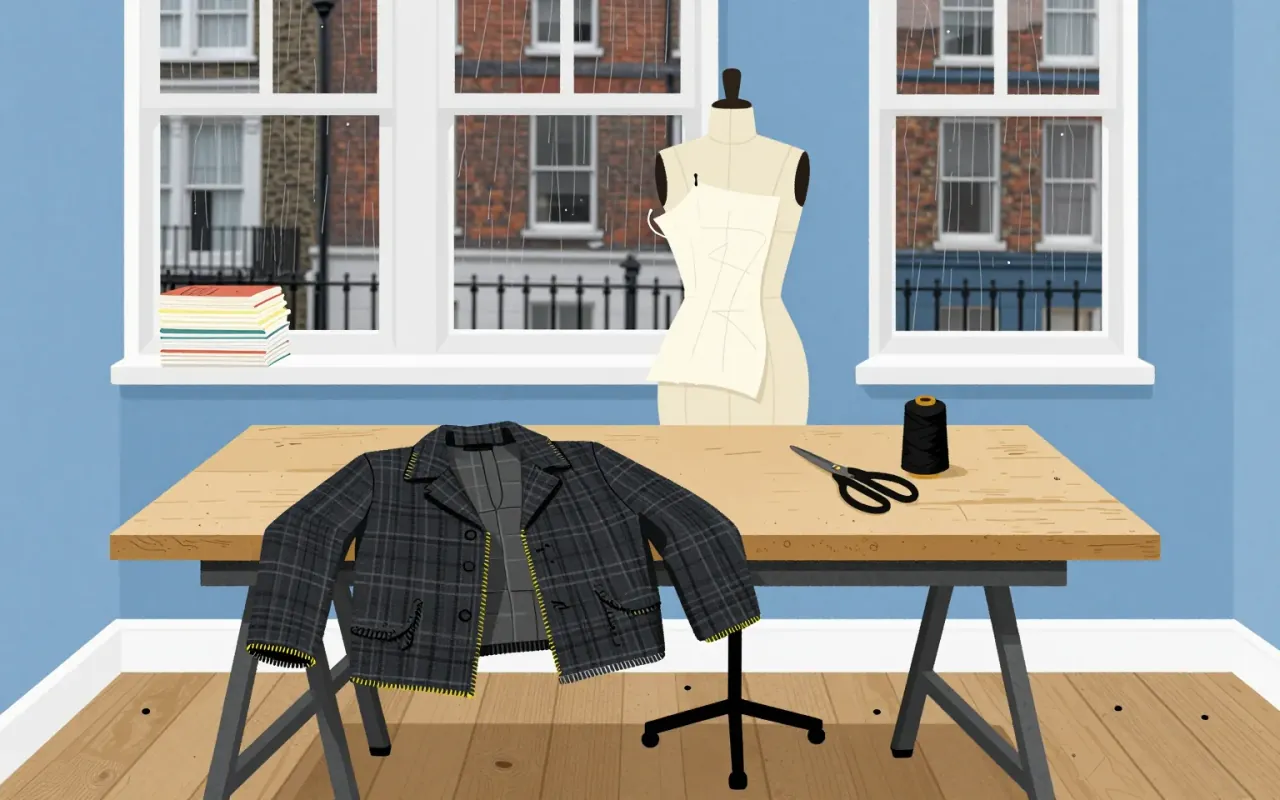
Westwood co-managed a series of London boutiques — Let It Rock, Too Fast To Live Too Young To Die, Sex, and Seditionaries — with Malcolm McLaren. She used historicism and meticulous research to reference Teddy Boy, rocker, fetish, and revolutionary-era aesthetics. She challenged gender norms and promoted experimentation in collaboration with McLaren.
What works
The boutiques served as meeting places for early members of the London punk scene. Westwood’s method — historicism, deliberate provocation, and garment construction exposure — directly shaped punk’s visual identity. Her work inserted political critique into mainstream fashion through retail presence.
What does not
The material does not establish that Westwood designed for mainstream fashion houses, produced licensed products, launched global fragrance lines, or operated outside the boutique context during the punk era. It does not attribute specific garments to her alone, nor does it confirm solo authorship of any collection.
What it influenced
Westwood’s boutique designs helped define and market the punk look at the exact moment it exploded in popularity on the streets of London. Her garments reflected the economic, social, and political contexts of 1970s Britain and synchronised clothing with music and ideology.
Is it worth your time
Yes. Westwood’s work is a tightly constrained intervention: punk fashion as method, not movement. It answers the brief of disrupting the system using retail space, historical citation, and provocation — with no reliance on mass production, celebrity, or institutional validation.