What the work is
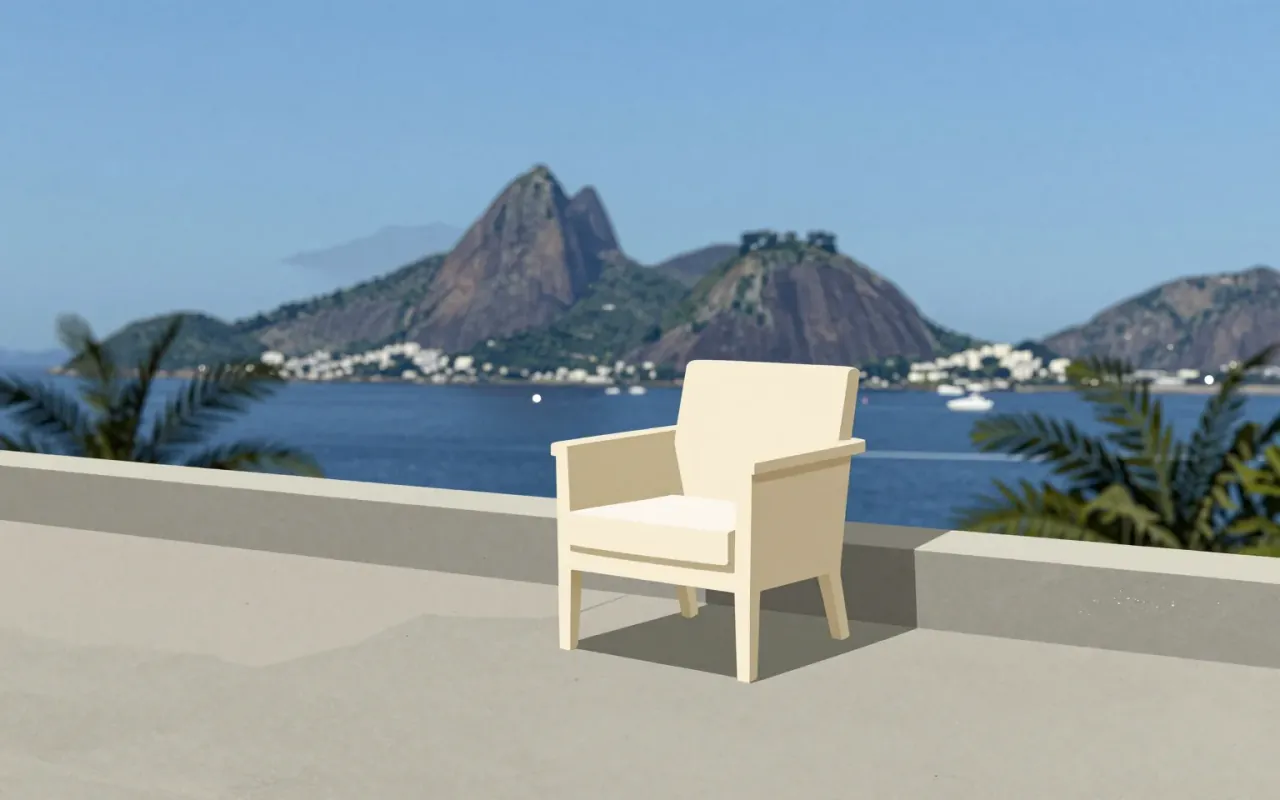
Kenya Hara describes MUJI through the idea of emptiness: a simple form can accommodate uses its designer has not prescribed. His role here is explaining and communicating a philosophy, not personally designing the entire range.
How it was made
Hara gives the mattress with legs as an example: it can serve as a bed, sofa or part of a larger arrangement. His 2003 horizon advertising used landscape and people to communicate openness without promoting one particular product.
What works
The approach gives the user interpretive space. A product need not announce one elaborate identity before it becomes useful, while a family of restrained objects can accommodate different surroundings.
What does not
The account is a brand’s explanation of itself. It does not establish that every product is affordable, durable or adaptable. Nor should one designer’s interpretation stand in for the whole history of Japanese design.
What it influenced
Hara identifies Ikko Tanaka as MUJI’s first art director and names other product contributors. The continuity is therefore a shared direction developed through several designers, rather than a single author’s uniform style.
Is it worth your time
Worth studying for how communication can express a product philosophy without a long manifesto. Test the idea against a particular object’s actual uses; visual restraint alone does not demonstrate the freedom Hara describes.