What the work is
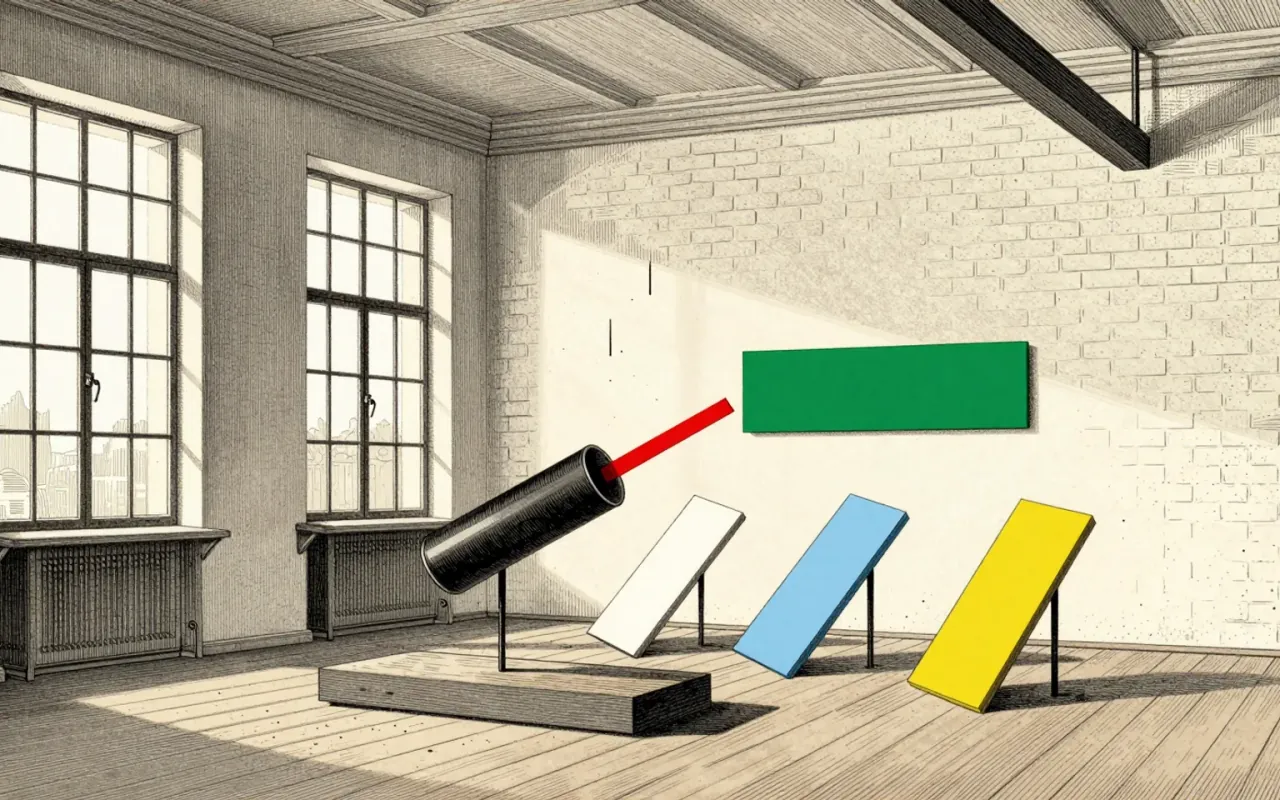
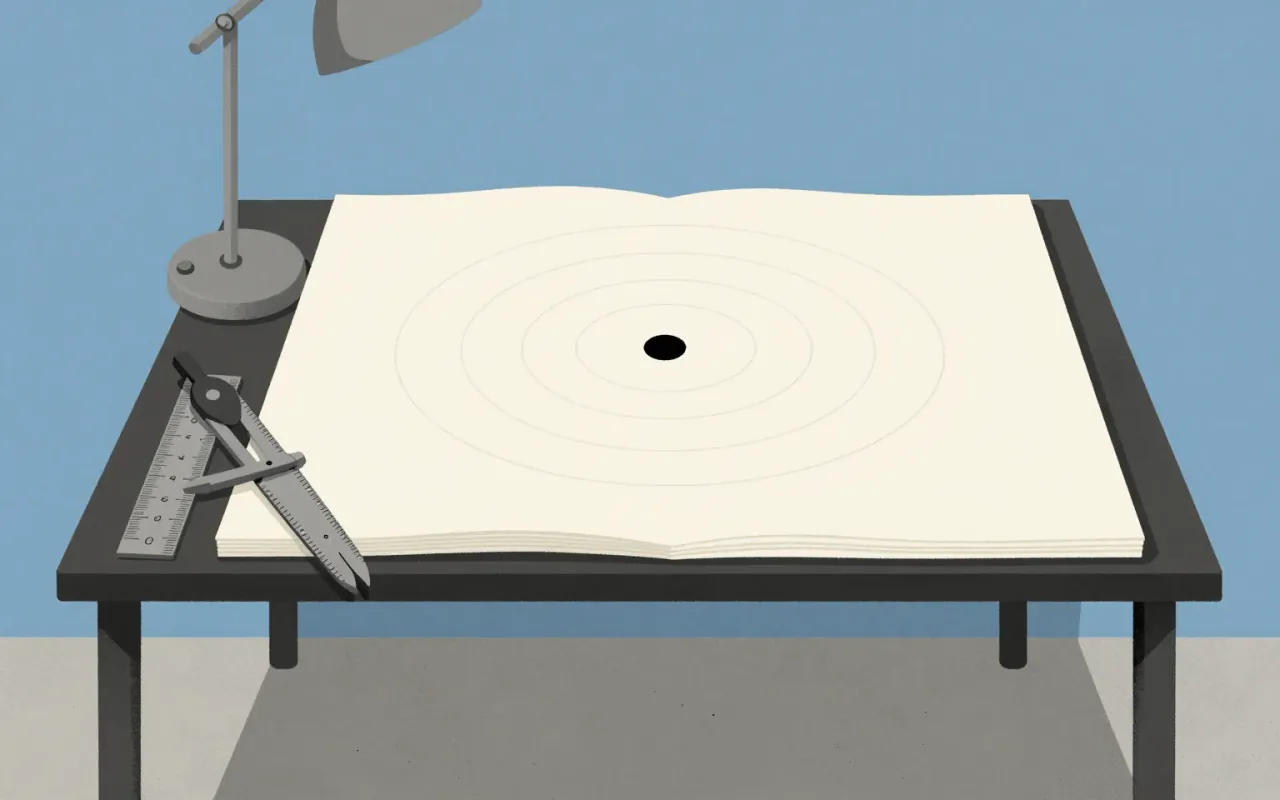
Wassily Kandinsky’s Point and Line to Plane appeared in the Bauhaus book series in 1926. It develops an account of how elementary forms combine and affect the viewer. This is an introduction to that argument, not a claim to have reviewed every page.
How it was made
The authorized edition’s publisher describes a progression from the point to relationships of line and surface. Kandinsky organizes forms through contrasts and interacting forces, extending concerns from his earlier writing on art.
What works
A small vocabulary can sharpen observation. Instead of calling a composition energetic or calm without explanation, a reader can attend to direction, opposition and the placement of elements.
What does not
An artist’s theory of emotional effects is not a universal measurement of perception. Its categories are best tested against works and one’s own observations, rather than applied as automatic rules for every audience.
What it influenced
Its place as volume nine of the Bauhausbücher preserves the argument within the school’s publishing programme. The original German edition’s design is credited to Herbert Bayer, distinguishing authorship of the text from design of the book.
Is it worth your time
Worth approaching as a framework for looking. Draw a few controlled variations, then compare their effects before accepting the terminology. Read the book itself for the full argument; the publisher’s account establishes only its main proposition.