What the work is
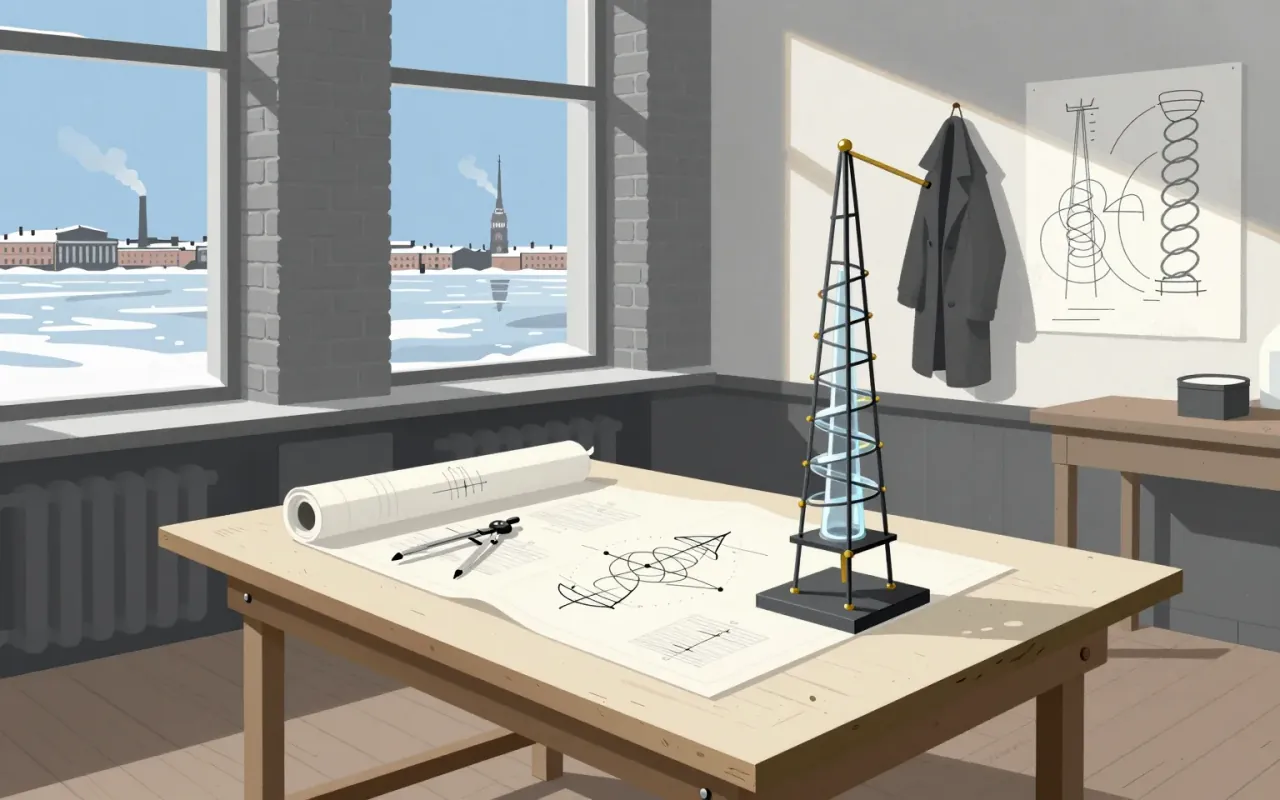
Constructivism is an art movement founded in 1915 by Vladimir Tatlin and Alexander Rodchenko. It is a method of making art from industrial materials and processes, aligned with Soviet socialism and the Russian avant-garde.
How it was made
Constructivism was made through debates at INKhUK in Moscow (1920–22), where the First Working Group defined it as the combination of faktura (material properties) and tektonika (spatial presence). It began with three-dimensional industrial constructions shown at the OBMOKhU exhibition, then extended to two-dimensional works like posters and books using montage and factography.
What works
Its definition holds: faktura and tektonika anchor every work in tangible materiality and spatial logic. Its shift from sculpture to posters proves the system scales across dimensions without losing coherence.
What does not
It does not separate form from function or art from utility. It does not tolerate ambiguity in purpose: every work is intended for social use, not contemplation.
What it influenced
It influenced graphic design, typography, industrial design, and Soviet visual culture — particularly through its extension into posters, books, and propaganda media.
Is it worth your time
Yes — if you need to understand how art became a tool for industrial society and state propaganda, not just aesthetic innovation. Its rigour lies in its refusal of decoration and insistence on material logic.