What the work is
A body of multidisciplinary design work spanning Olympic costume direction, film production design, advertising art direction, and music-video and theatre collaboration.
How it was made
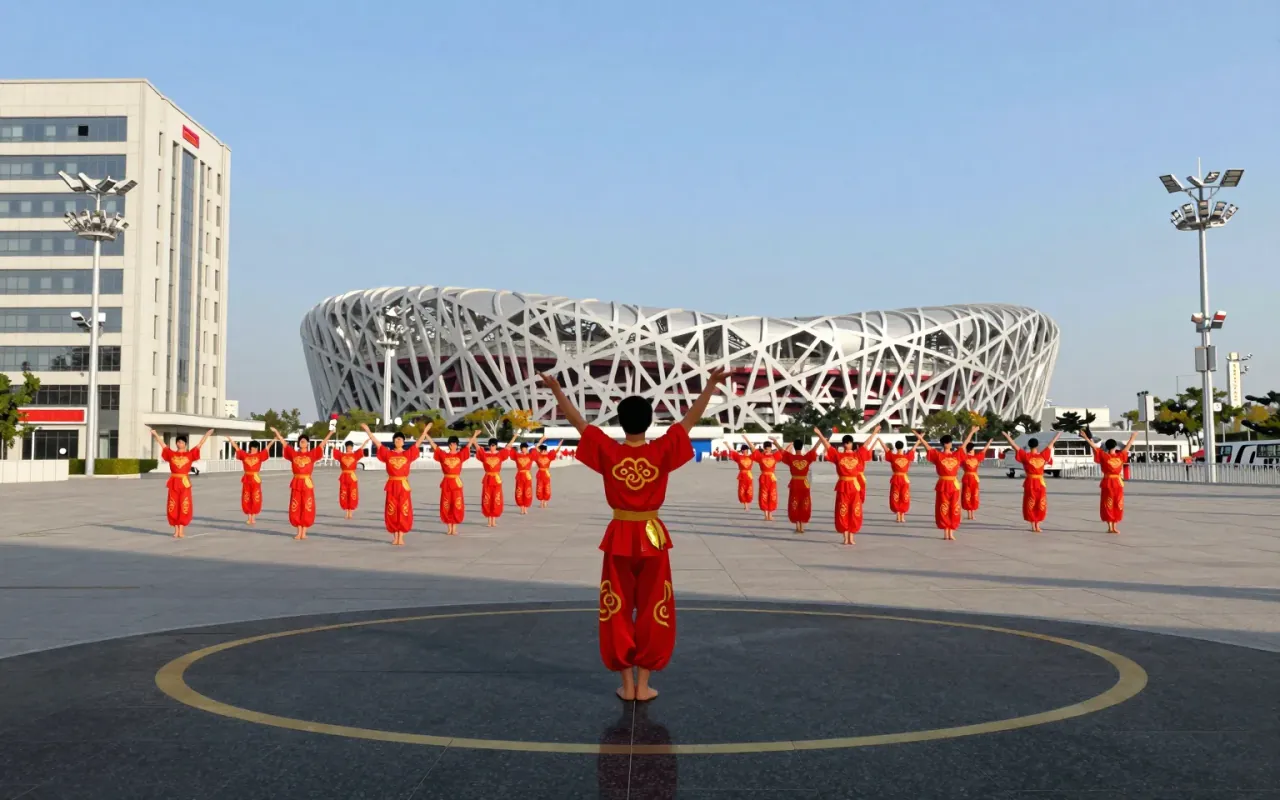
She drew from Greek statues and African helmets to design costumes for the 2008 Beijing Olympics opening ceremony. She began at Shiseido’s advertising division in 1961. She became Parco’s chief art director in 1971, leading surreal erotic campaigns. She was chosen as production designer for Mishima: A Life in Four Chapters in 1985. She collaborated with Coppola on Dracula after designing the Japanese poster for Apocalypse Now.
What works
Her costumes visualized fabric texture, action, and aura. Her advertising used open and surreal eroticism. Her film work earned a Cannes special award and an Academy Award for Best Costume Design.
What does not
The material does not establish any sustained critique of her methods, nor does it document limitations in scalability, reproducibility, or cultural reception beyond award recognition.
What it influenced
The material does not state what her work influenced. No successors, movements, studios, or design pedagogies are named or implied.
Is it worth your time
Yes — her work demonstrates how historical reference, cross-media discipline, and controlled surrealism produce legible visual authority across Olympic spectacle, film, and advertising.