designbriefs
Oldest

All briefs

479 briefs · 3191 min · 289–384 on page 4 of 5
9:29

Salk Institute for Biological Studies

Louis Kahn · 1960

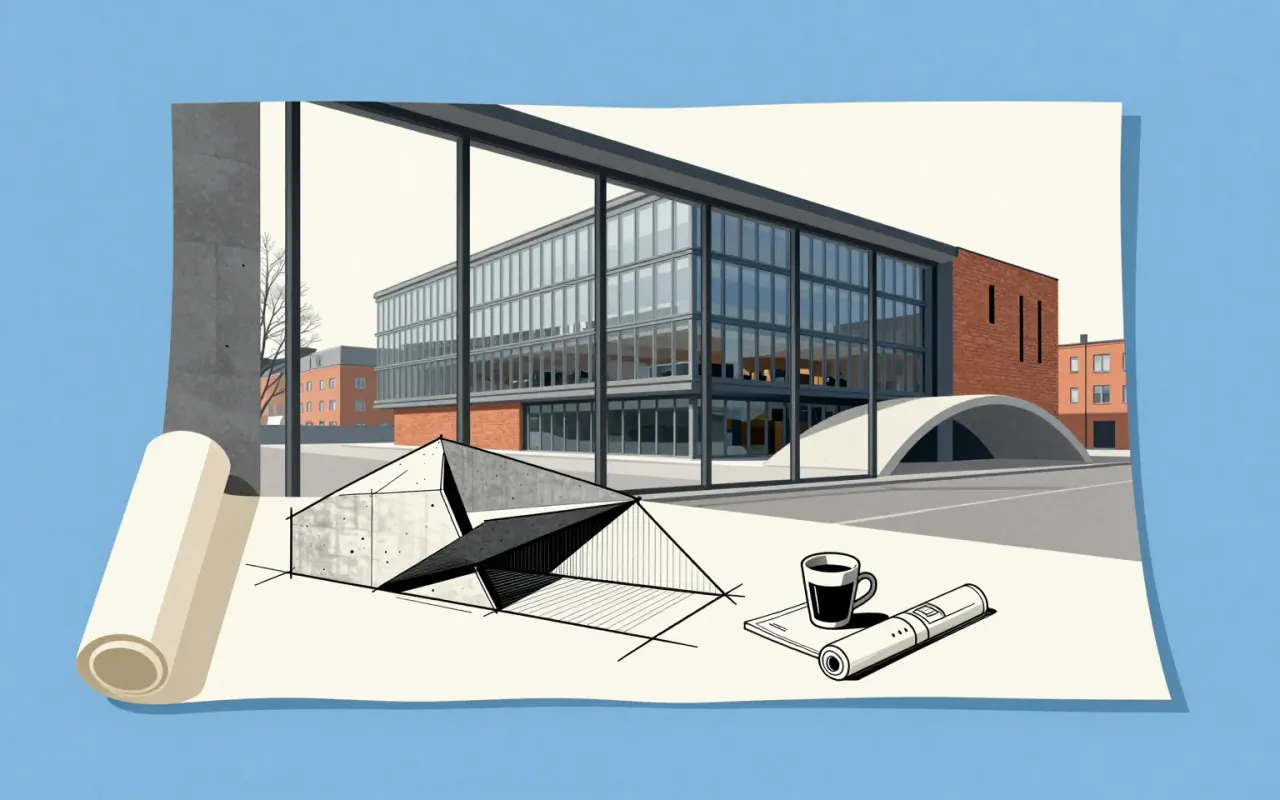
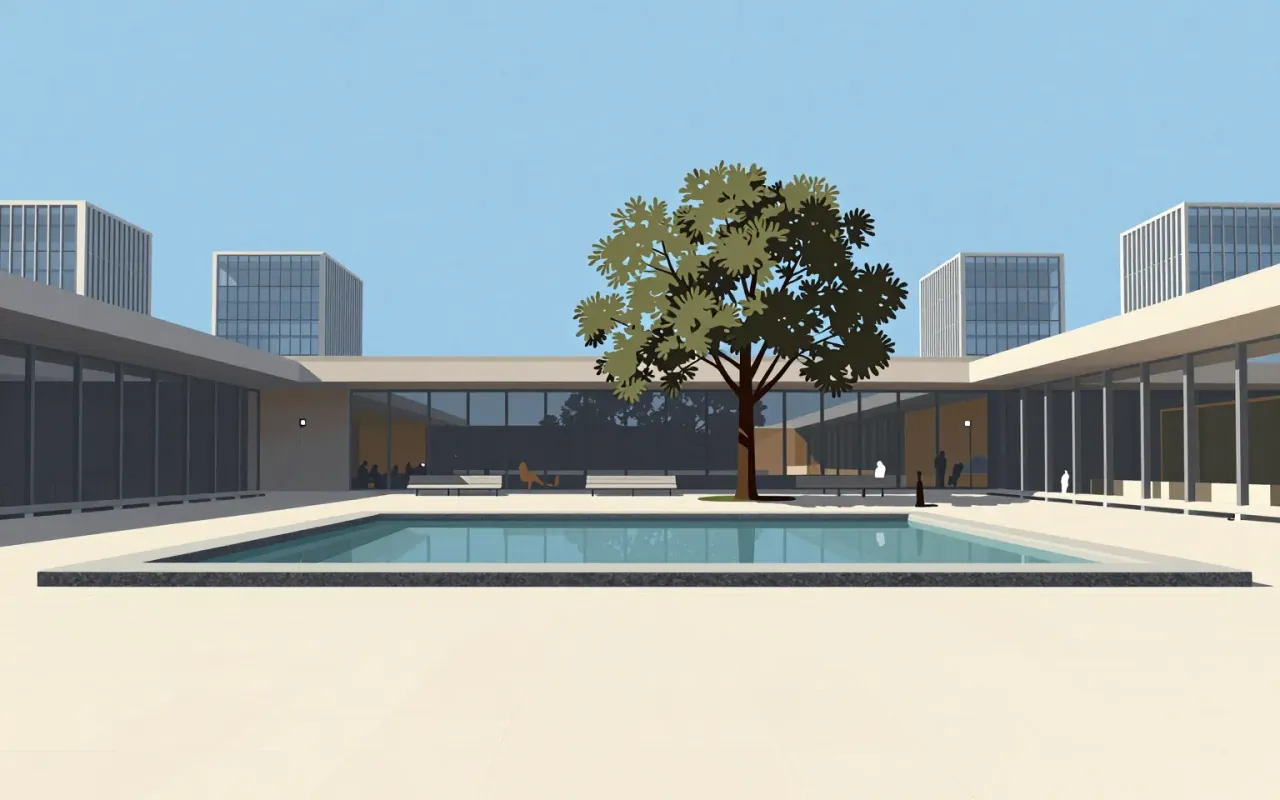
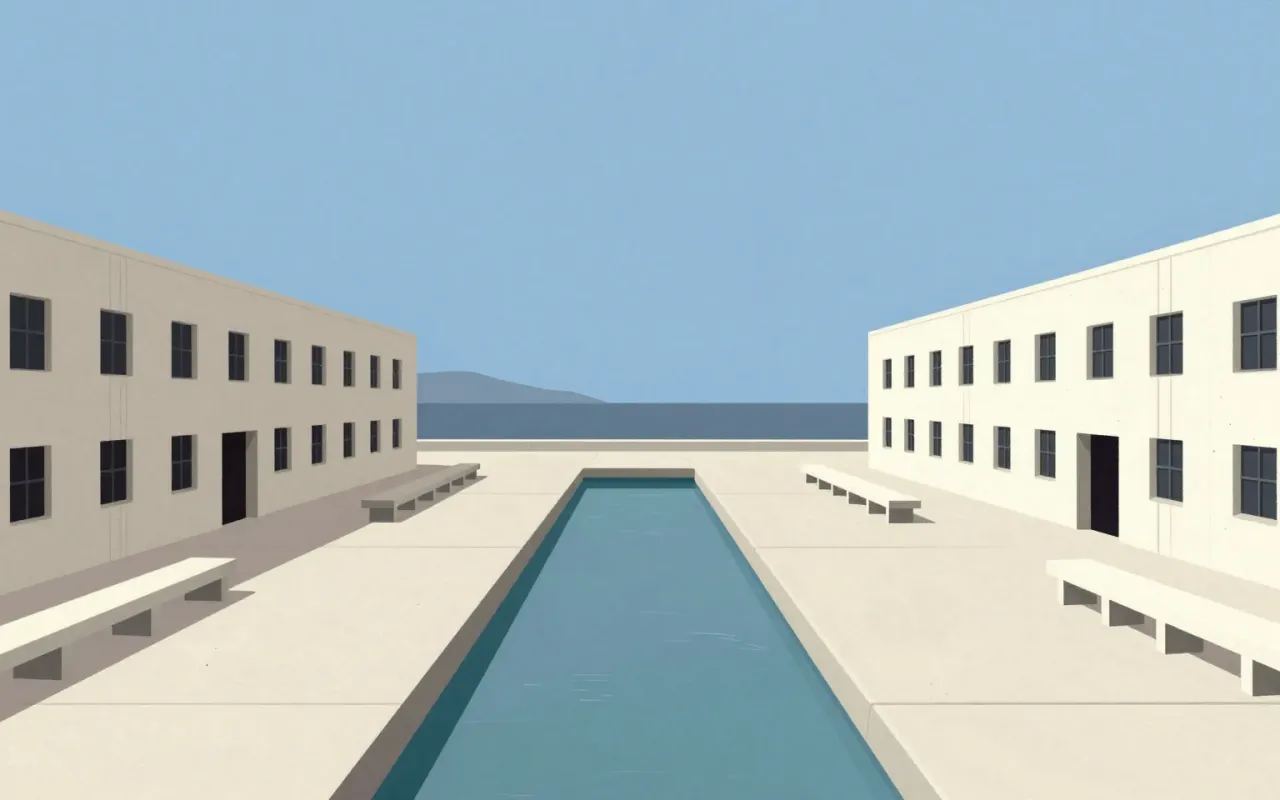
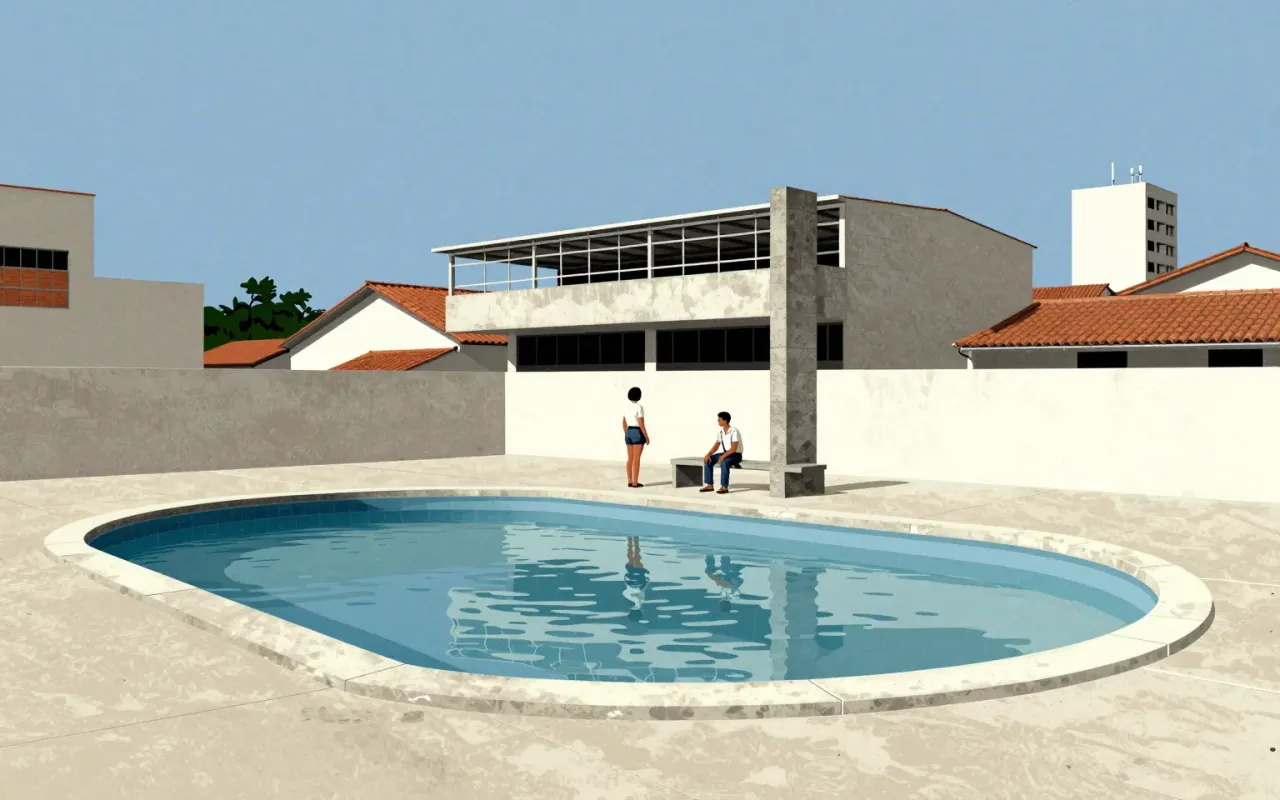
The Salk Institute is the laboratory cluster of Louis Kahn’s unrealised three-part campus. Built 1959–1965 in La Jolla, California, it uses column-free floors, integrated service floors supported by Komendant’s pre-stressed concrete Vierendeel trusses, and a Barragan-advised water court to focus attention on the Pacific Ocean. Only the lab cluster was realised. No source states what it influenced.

10:13

SESC Pompeia

Architecture that refuses to choose between memory and function — it keeps the factory’s bones and carves new life into its floor.
5:55

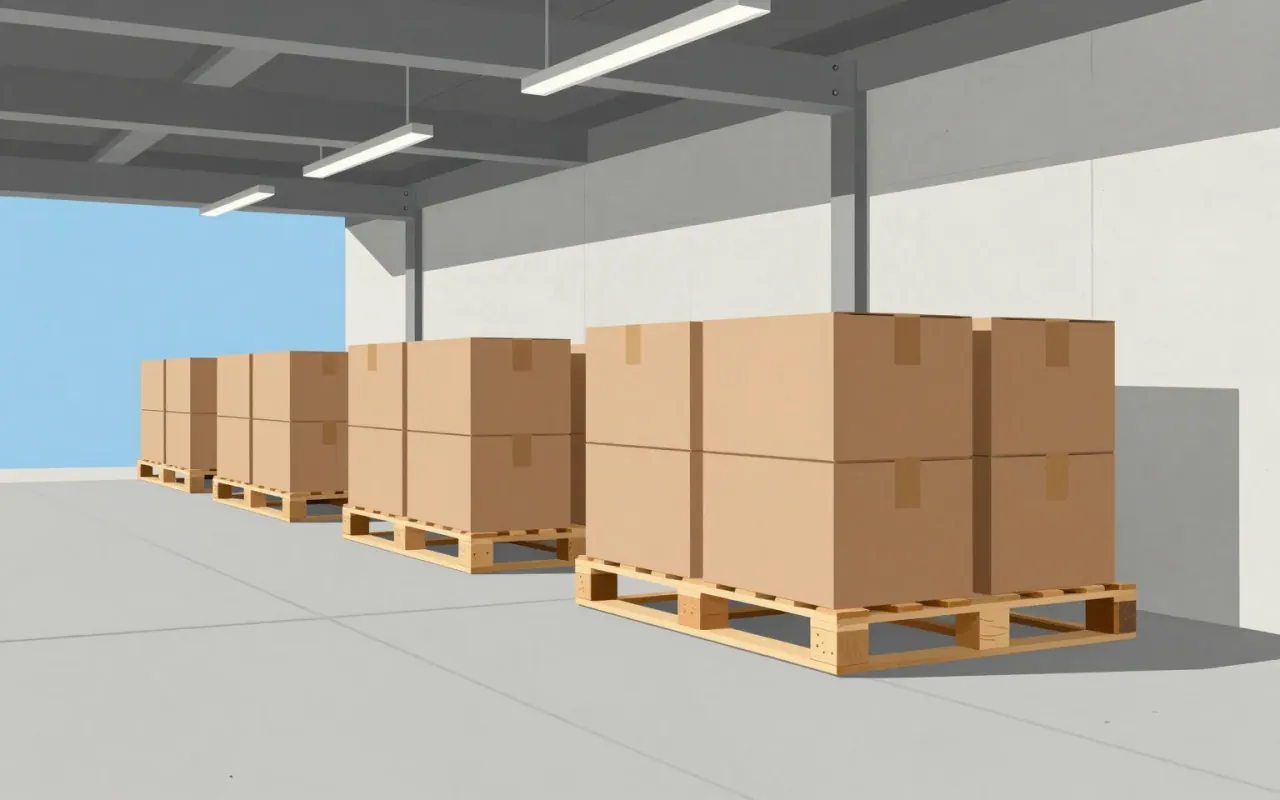
Pallet

The pallet isn’t a design — it’s the silent contract between forklifts, containers, and capitalism.
9:18

Sigurd Lewerentz

Lewerentz didn’t find essence—he relearned restraint by walking away, then building two churches that refuse to explain themselves.
10:39

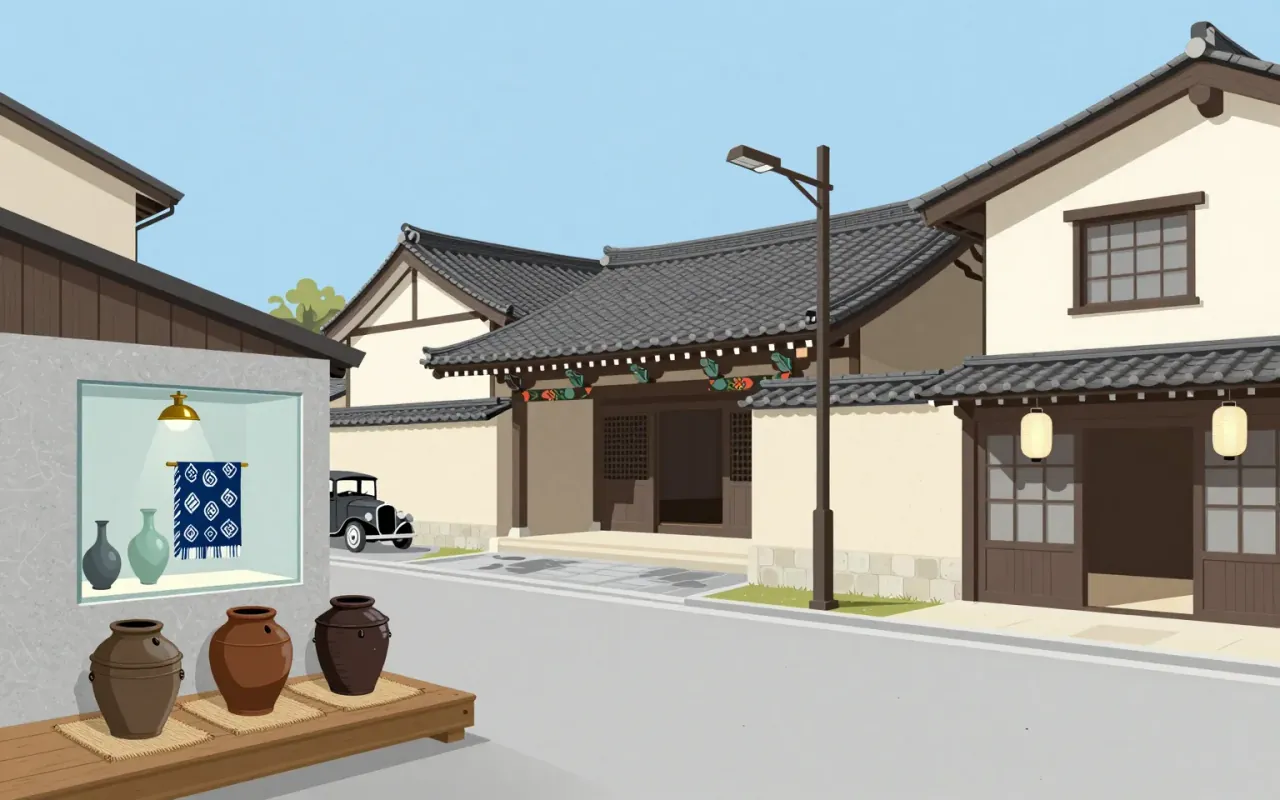
Yanagi Sōetsu

Yanagi didn’t find folk craft — he built its frame, then hung it with colonial authority.
10:53

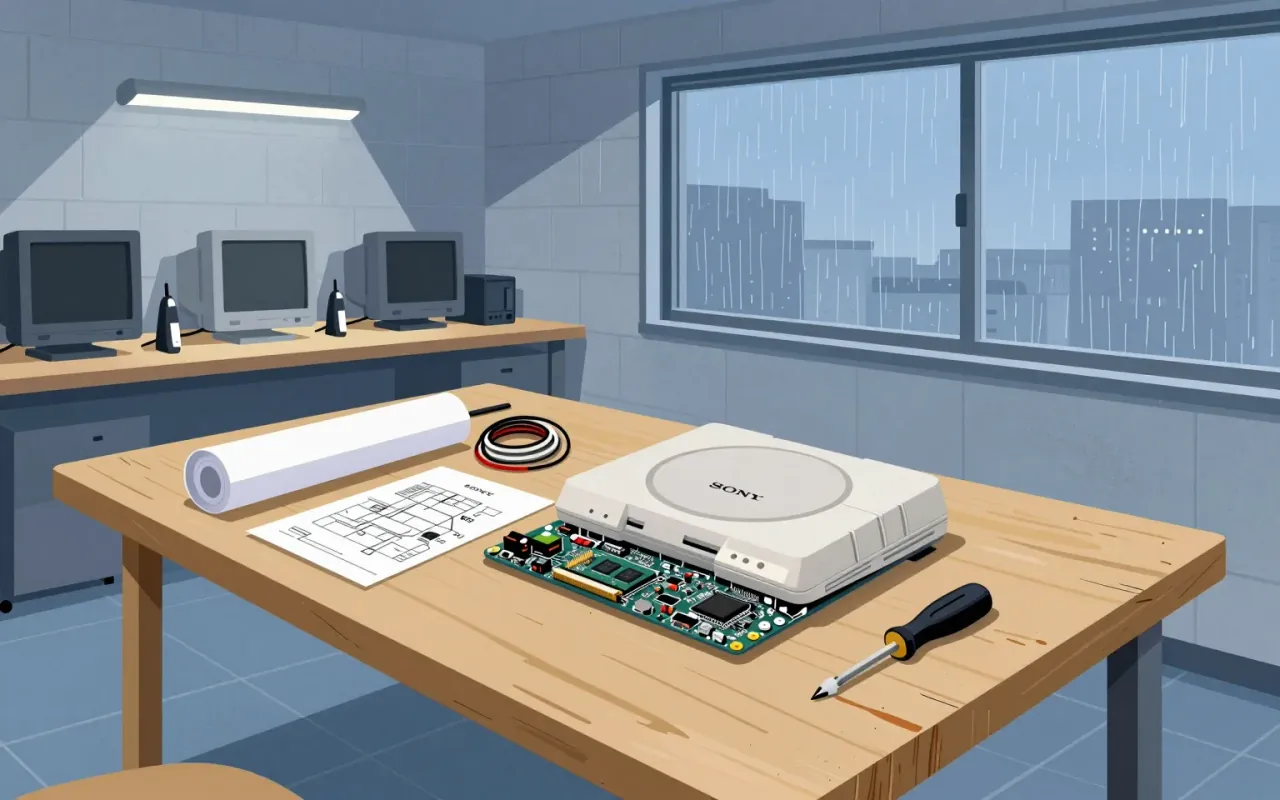
PlayStation (console)

Teiyu Goto

The PlayStation’s significance lies in its developer-centric architecture—not its industrial design. Teiyu Goto is not referenced in any verified source. The brief treats the console as a software platform first, a physical object second—and only what is documented is stated.
11:50

Trinitron

Sony

Trinitron is a CRT display technology defined by its single-gun three-cathode electron gun and vertically aligned steel aperture grille. It improved image sharpness by reducing beam obstruction and simplifying focus. Its patent ran until 1996. It launched as a branded line in 1968, powered televisions and monitors until 2005–2007, and marked the end of Sony’s analog display era.

9:19

Walkman

Sony Design Team · 1979

The Walkman is industrial design as behavioural intervention — minimal, specific, and consequential.

6:40

Source Sans

A pragmatic open-source sans-serif built to fix News Gothic’s uneven colour — not to reinvent typography.
1:35

Swan (chair)

Arne Jacobsen

Arne Jacobsen designed the Swan lounge chair and sofa for Copenhagen's SAS Royal Hotel in 1958. The chair combines an upholstered body with a star-shaped satin-polished aluminium base.

8:54

International Typographic Style

Josef Müller-Brockmann

The International Typographic Style is a systemic, modernist graphic design approach that emerged during the 1930s–1950s. It prioritises objectivity, clarity, and universality through asymmetry, grid, sans-serif type, flush-left text, and photography. Josef Müller-Brockmann pioneered its application in works including the Tonhalle Series (1950) and the Accident Barometer (1952). His method relied on nonrepresentational abstraction, geometric elements, and musical structure—scale, rhythm, repetition—without illustration or embellishment.

9:46

Tahoma (typeface)

Matthew Carter · 1994

Tahoma is a humanist sans-serif typeface designed by Matthew Carter for Microsoft as the Windows interface typeface. It shipped with Office 97 and served as the default screen font in multiple Windows versions. Carter first designed it as a bitmap font, then wrapped TrueType outlines around those bitmaps. Its bold weight is based on double-pixel width. Ascender Corporation added italic and small caps versions in 2010. Tahoma has a narrower body, smaller counters, tighter letter spacing, and a more complete Unicode set than Verdana. The uppercase I is distinguishable from lowercase l — critical for technical clarity. Carter acknowledged similarities between Tahoma and his earlier Bell Centennial typeface. It was created to address specific technical challenges posed by early computers.

9:07

TeamLab (art collective)

TeamLab doesn’t simulate nature—it stages a dependency: the artwork only coheres when people move through it.
9:56

High Line

Adaptive reuse is not a style — it’s a discipline of subtraction, and the High Line proves it.
8:57

7132 Thermal Baths

A quarry made habitable — where every gap is deliberate, every weight accounted for, and every visitor is made aware of gravity.
1:46

Tolomeo desk lamp

Michele De Lucchi & Giancarlo Fassina · 1986

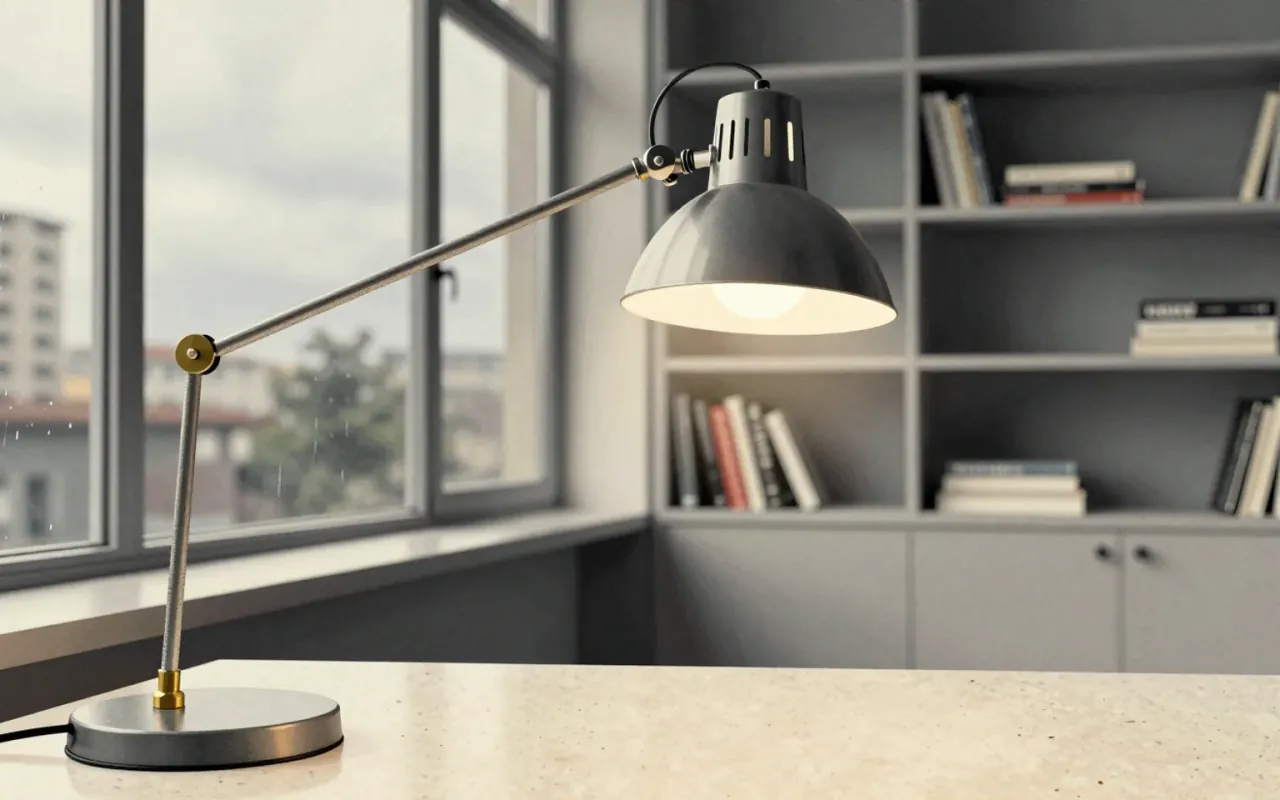
Michele De Lucchi and Giancarlo Fassina designed the Tolomeo desk lamp for Artemide in 1986. Its articulated aluminium arms, tension cables and swivelling reflector make it a useful study in adjustable task lighting.

4:29

Tord Boontje

Boontje proved ornament could scale — not as decoration, but as a design strategy for retail and research.
9:37

Toyo Ito

Toyo Ito didn’t build cities—he built interfaces between them and their simulations.
11:04

Trebuchet MS

Vincent Connare · 1996

Trebuchet MS is a functional, context-bound typeface — defined by its distribution, its contrast with Verdana, and its role in Windows XP. Its influence lies in reach, not revision.

9:12

Verdana

Verdana is not a font for beauty — it is a font for survival on 90s screens.
4:18

Vittorio Gregotti

Gregotti didn’t design buildings—he designed the conditions under which architecture could be both ideological and buildable.
9:39

Wang Shu

Material literacy is not a metaphor — it is brick, hand, and demolition site.
9:24

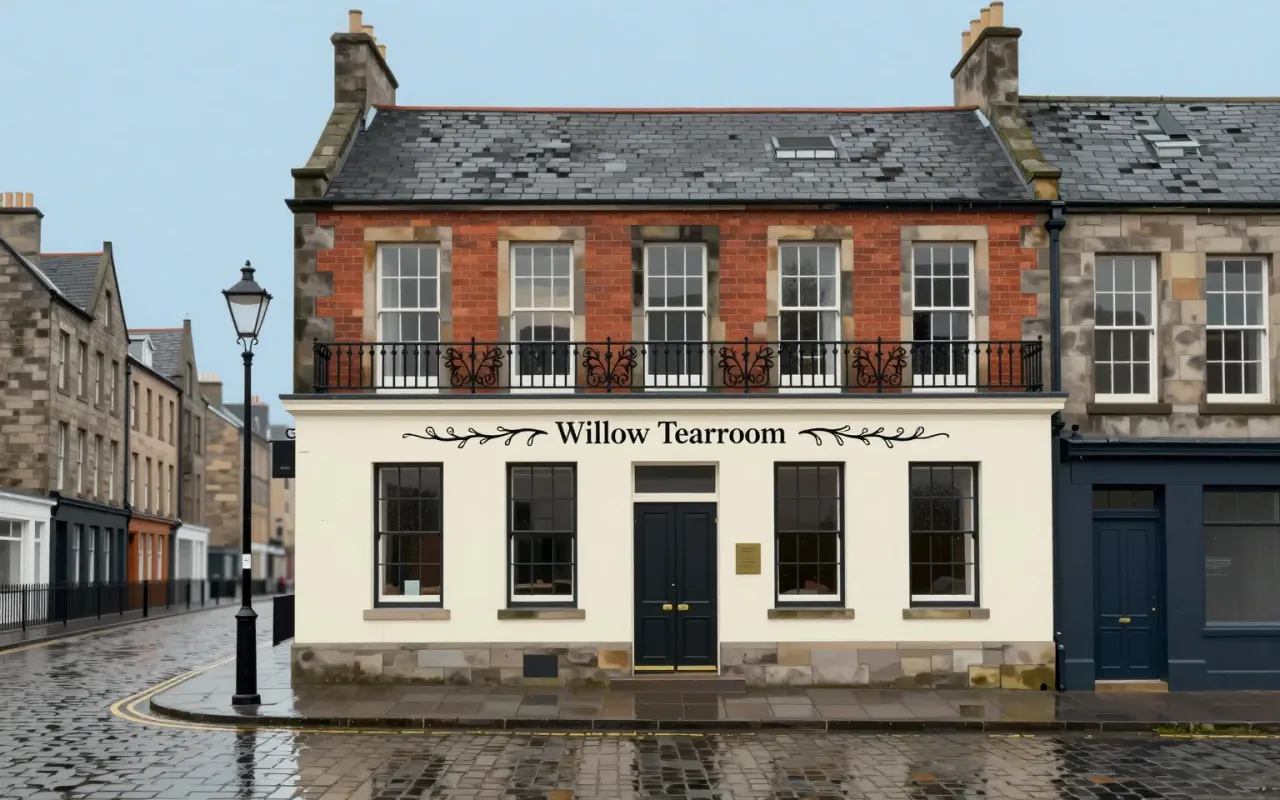
Willow Tearooms

Mackintosh didn’t just design a tearoom — he designed a brand, a service, and a building, all at once, in 1903.
1:44

Wishbone chair

The Wishbone chair brings a shaped wooden back and a woven seat into one recognizable arrangement.
9:29

Zaha Hadid

She didn’t use computers to build curves—she used Malevich to blow up architecture and rebuild it diagonally.
5:50

Zippo

George G. Blaisdell · 1932

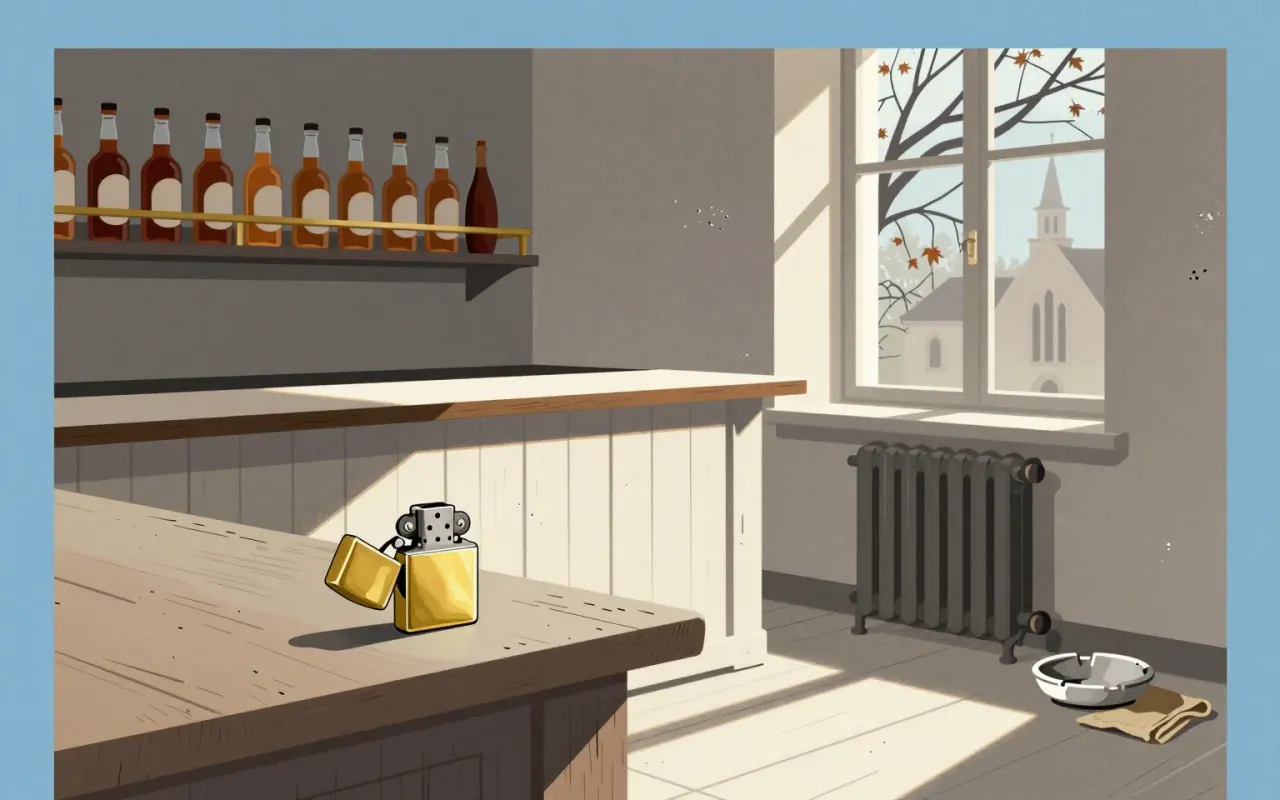
The Zippo lighter is a tightly constrained industrial object defined by wind resistance, guaranteed longevity, and procedural repeatability — not novelty, aesthetics, or scale.

0:56

Aaron Koblin

Aaron Koblin's practice connects data visualization with participation and digital media.
1:03

Aeron Chair

Don Chadwick and Bill Stumpf made mesh the defining material of Herman Miller's 1994 office chair.
1:00

Anthony Dunne

Anthony Dunne's collaboration with Fiona Raby connects design practice, writing and teaching.
0:55

Apple Logo

Rob Janoff's bitten apple retained its outline through changing colour treatments.
1:18

Athos Bulcão

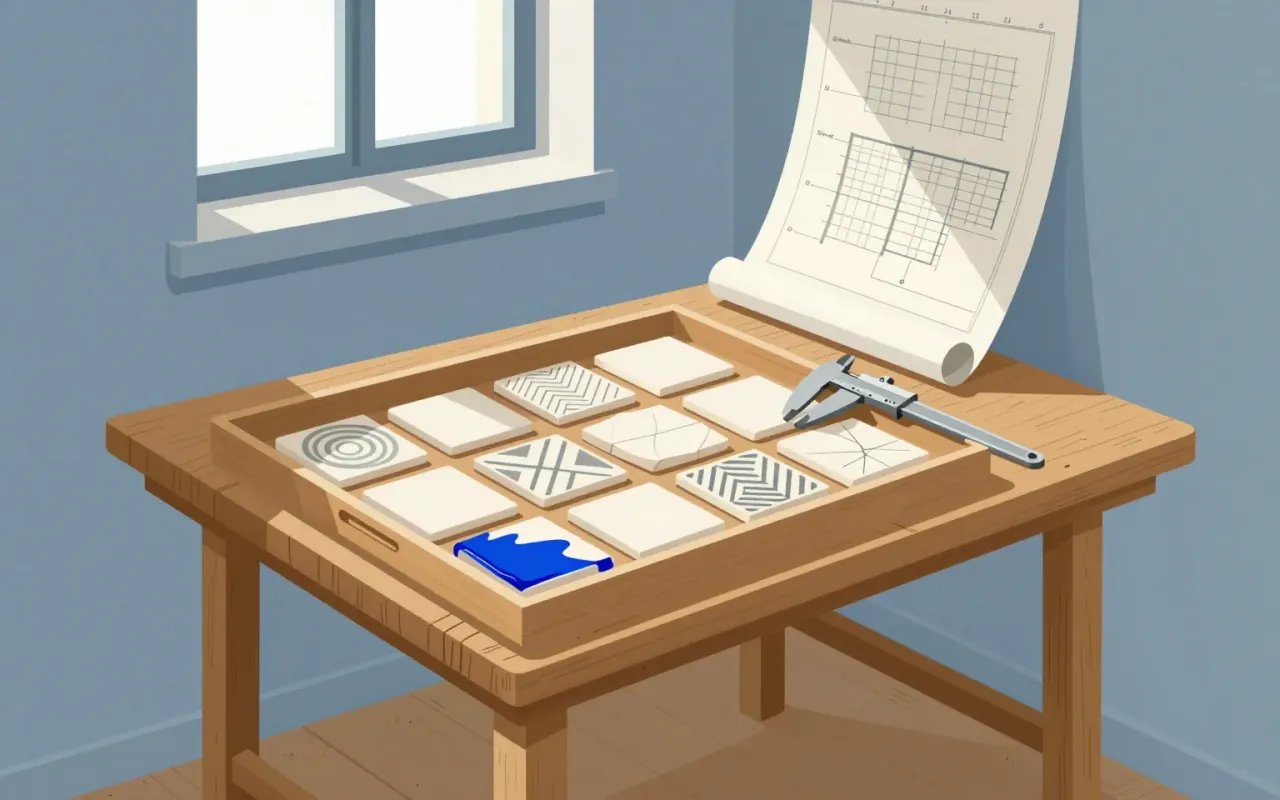
Athos Bulcão's career connects painting and sculpture with the construction of Brasília.
1:16

BMW Logo

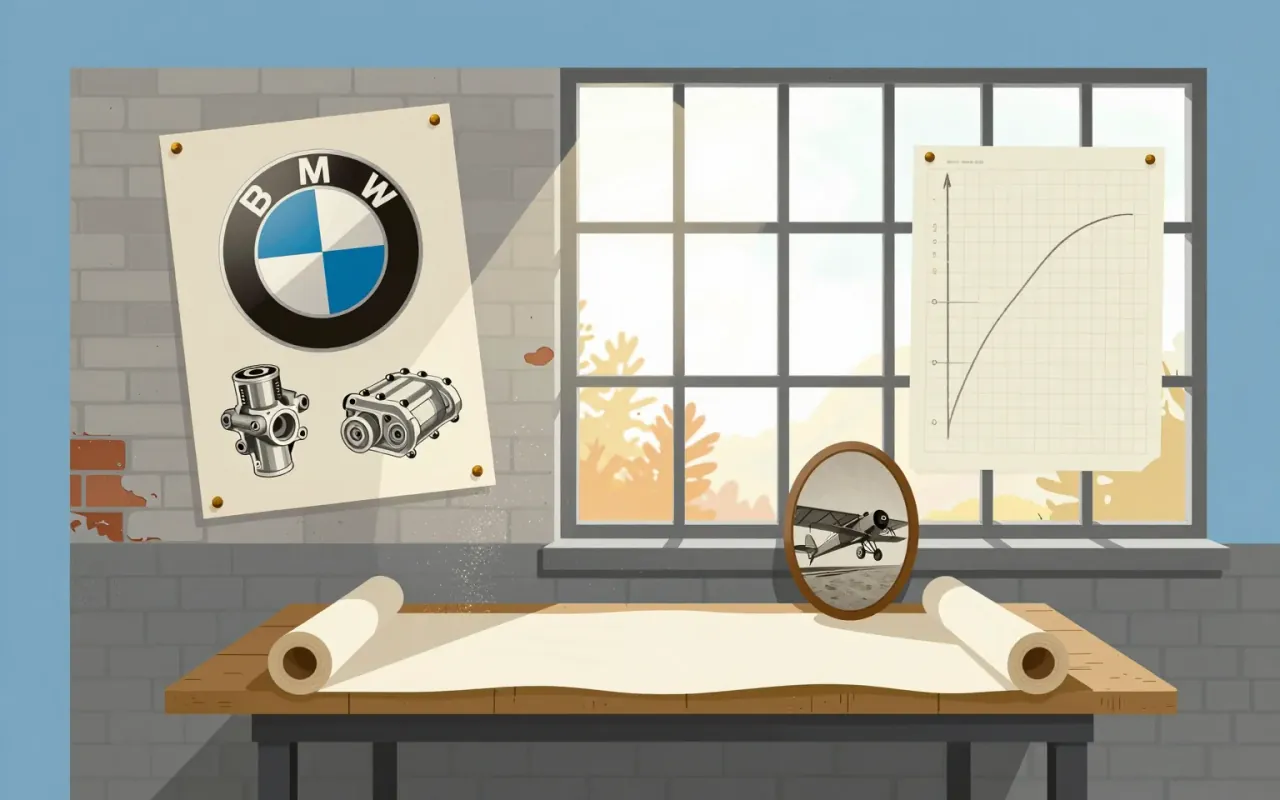
Bavarian colours came first; the propeller interpretation came later.
1:12

Bořek Šípek

Bořek Šípek provides a route into expressive form and the relationship between design and public memory.
0:57

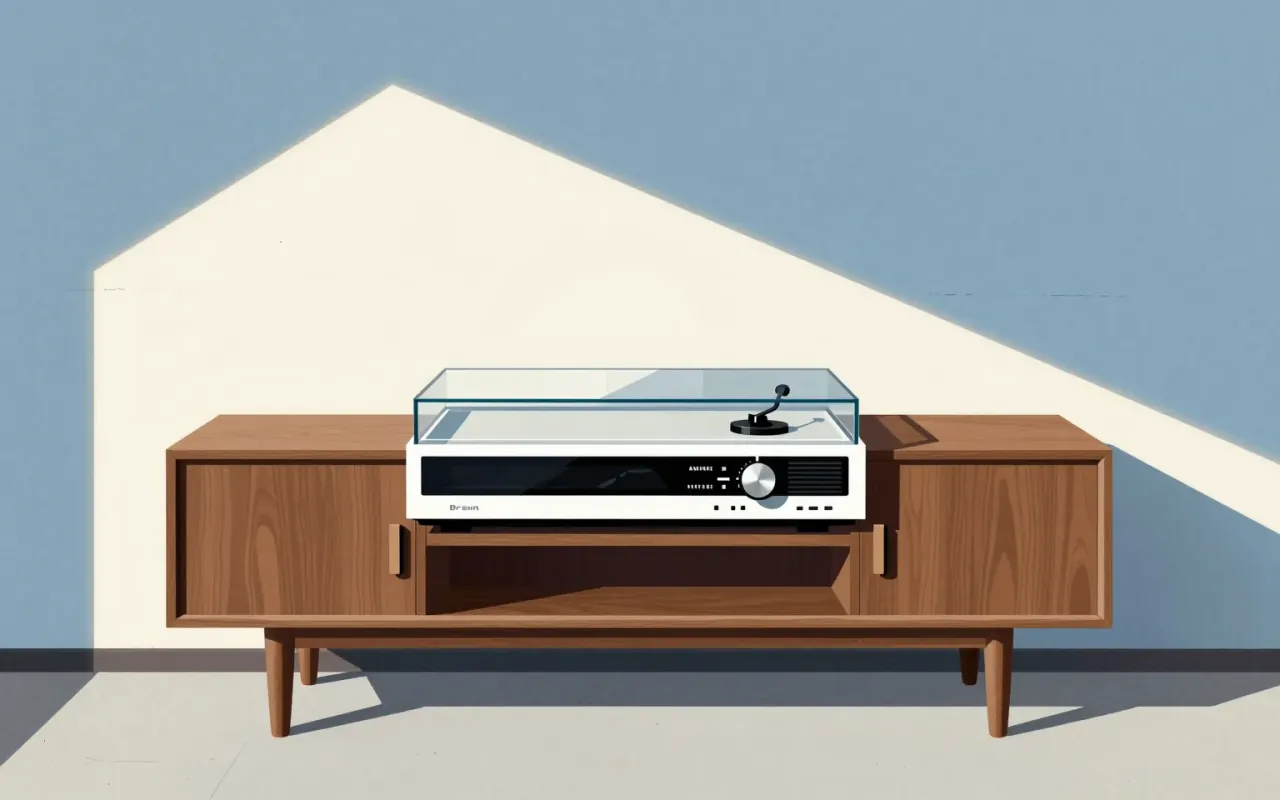
Braun SK 4

Dieter Rams and Hans Gugelot's radio-phonograph puts a transparent lid over domestic audio equipment.
0:55

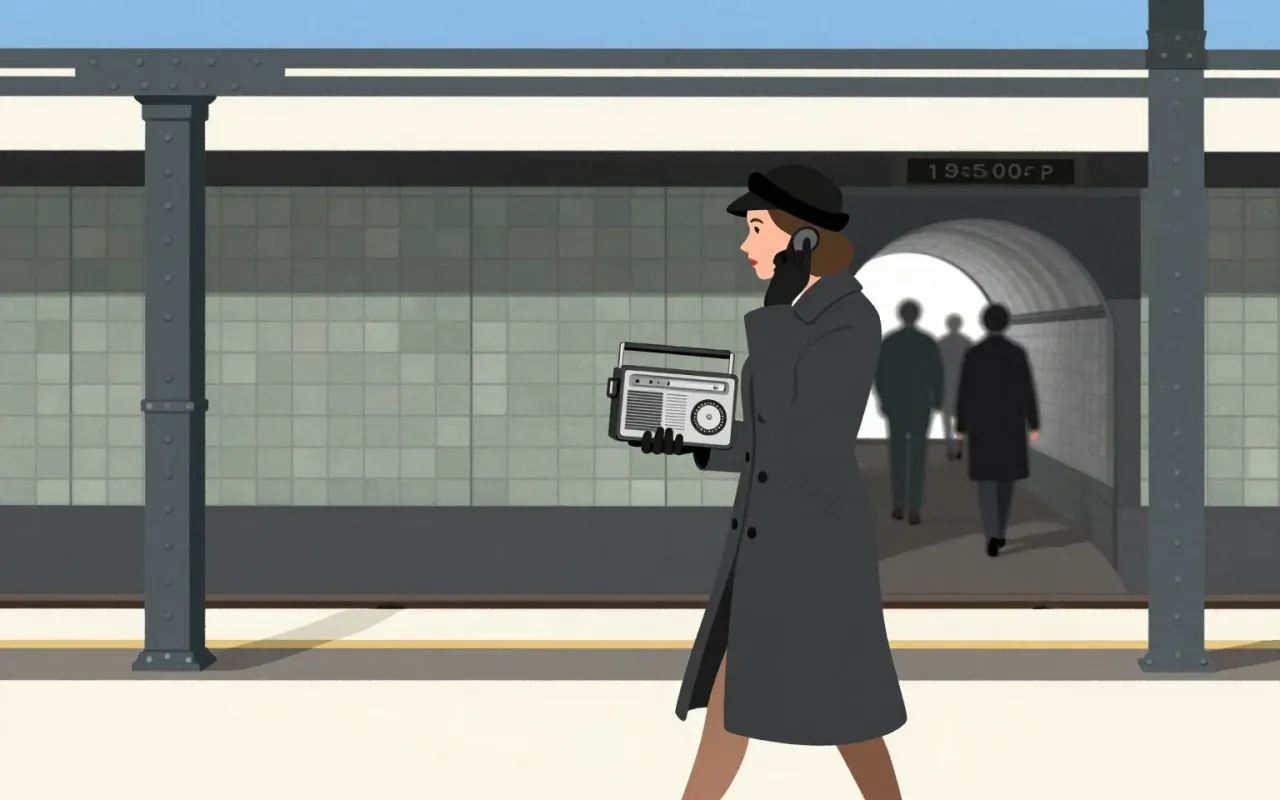
Braun T3 Pocket Radio

The Braun T3 offers a compact case study in the relationship between a handheld enclosure and its controls.
0:57

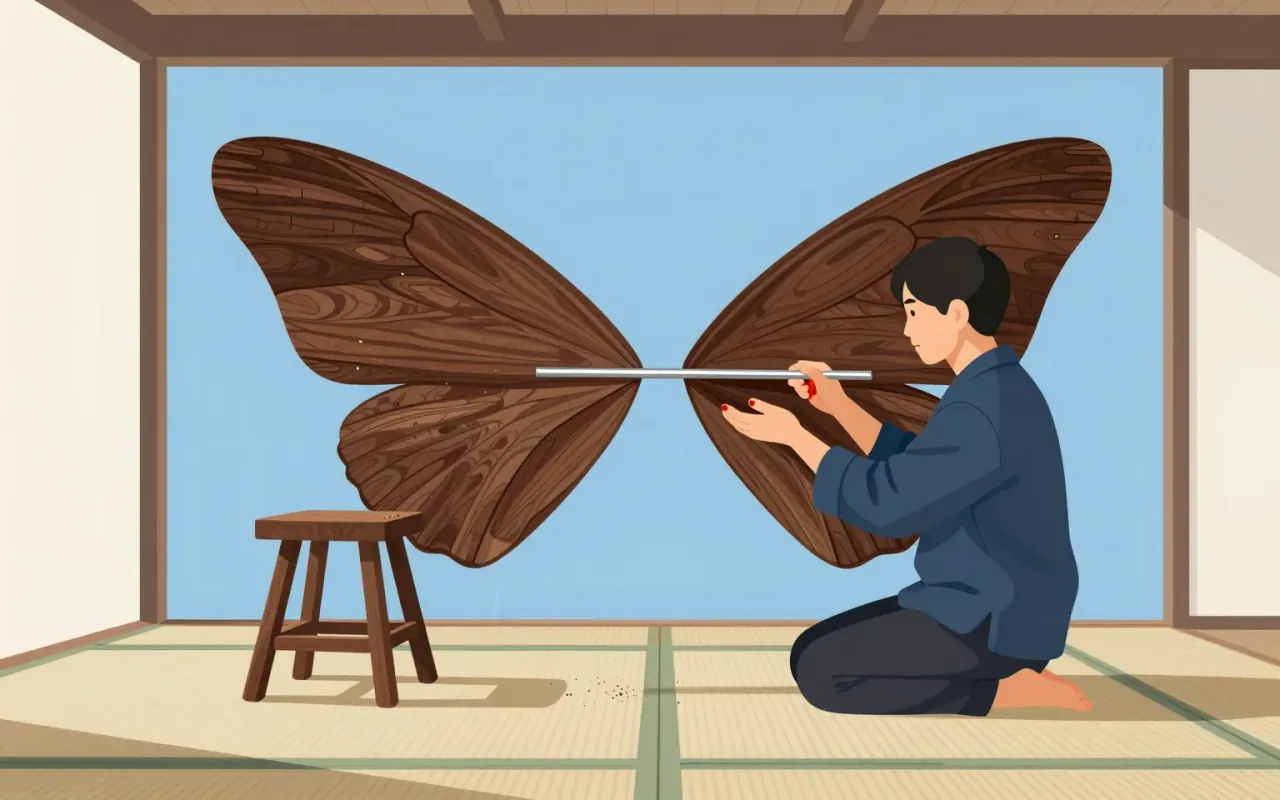
Butterfly Stool

Sori Yanagi gives each curved wooden half of the Butterfly Stool both a seat and a leg.
0:53

Coca-Cola Logo

Frank Mason Robinson connected a product name with the flowing forms of Spencerian script.
1:01

Courier New

Courier New shows how transferring a typewriter face to a digital font can change its apparent weight.
0:58

Dada Head

Sophie Taeuber-Arp's painted wooden head connects craft training with geometric abstraction.
0:57

Deborah Berke

Deborah Berke connects architectural practice with a sustained commitment to design education.
0:59

Eames Elephant

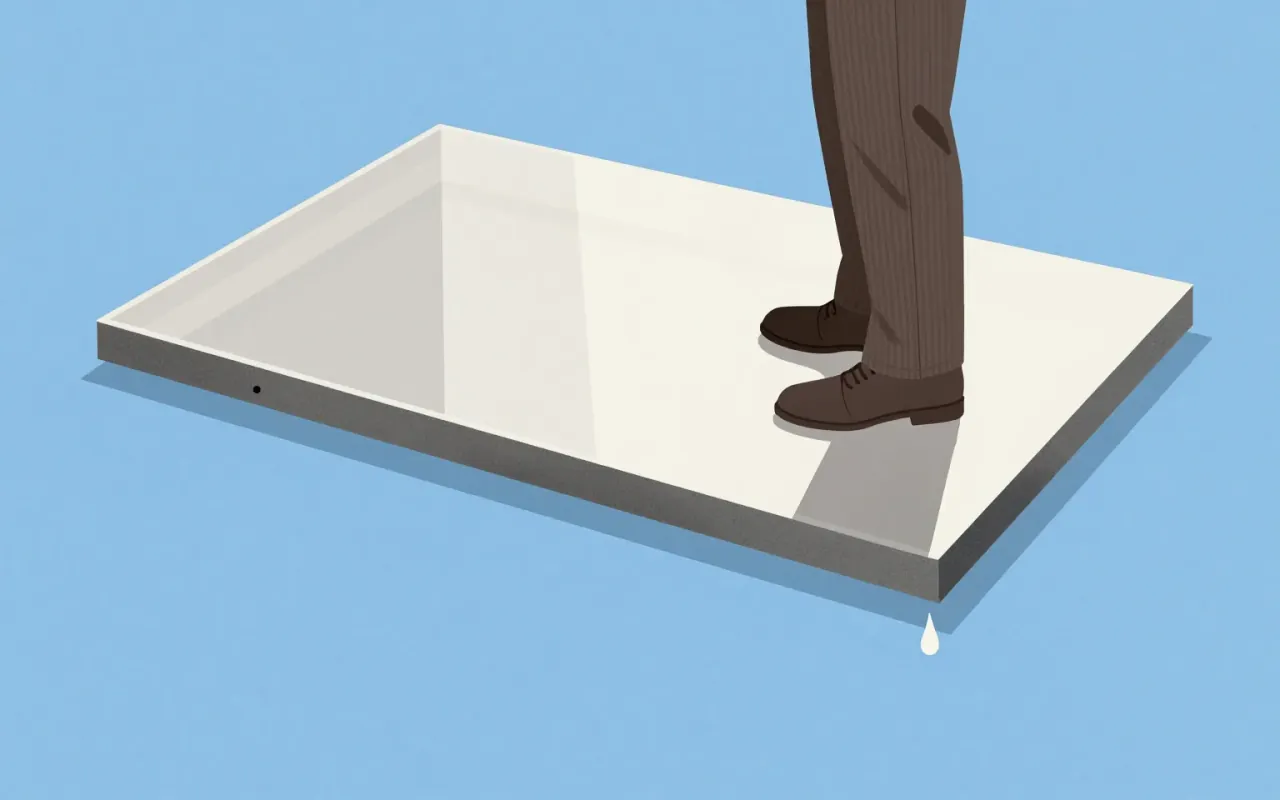
Charles and Ray Eames developed a children's elephant alongside their experiments in moulded plywood.
0:51

Ellen van Loon

Ellen van Loon's work at OMA spans cultural institutions, workplaces and public buildings.
0:56

Emigre Magazine

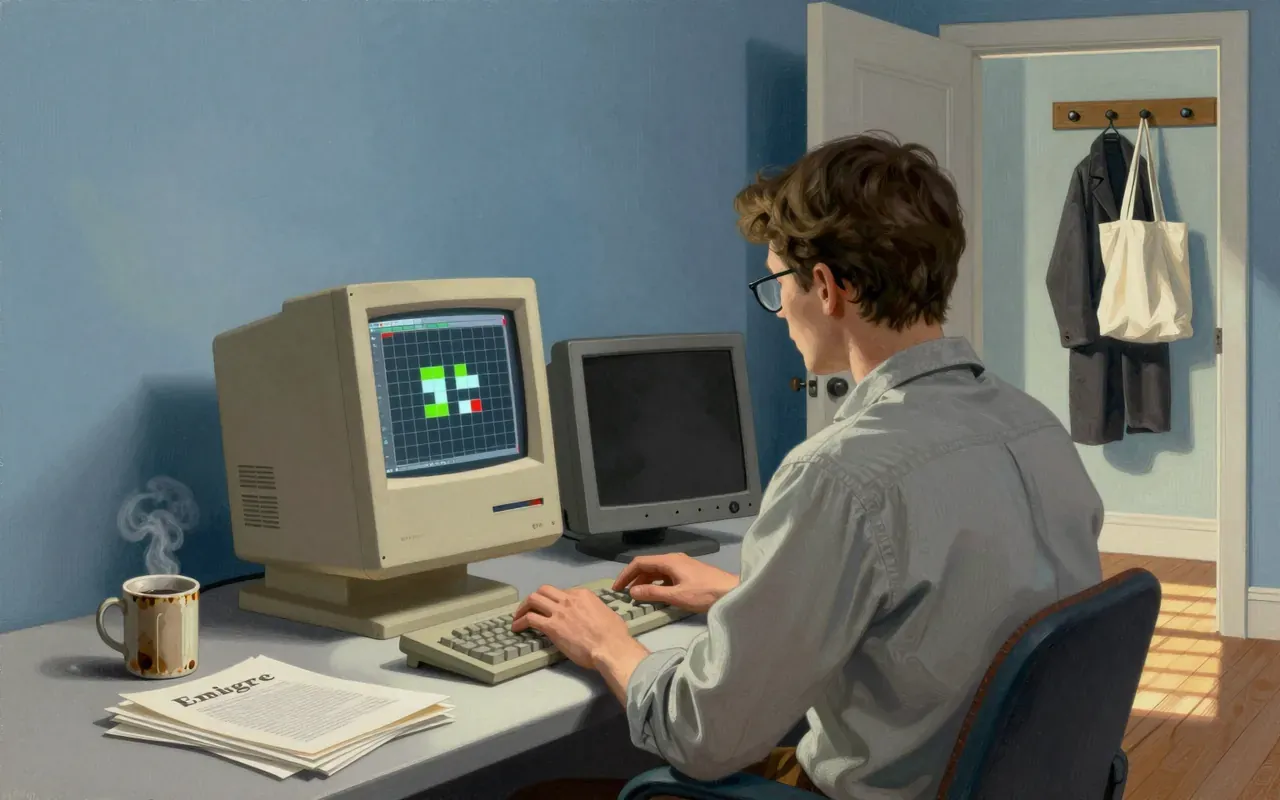
Emigre made experimental digital typography part of a magazine's content and business.
0:55

FedEx Logo

Lindon Leader's FedEx wordmark makes the space between two letters carry an arrow.
1:01

Fiona Raby

Fiona Raby brings architectural training, research and collaborative practice to speculative design.
0:55

FontShop

FontShop's publishing and distribution history connects independent type design with a growing digital market.
1:18

Frank Chimero

Chimero connects interfaces, illustration and writing within a broad design practice.
0:58

Frederick Kiesler

Frederick Kiesler connected stage, exhibition and architectural design through the relationship between people and space.
1:02

Gallaratese Housing

Carlo Aymonino and Aldo Rossi's Monte Amiata complex treats housing as a fragment of a city.
0:53

Giancarlo Piretti

Giancarlo Piretti's furniture offers a focused route into the design of folding and everyday seating.
0:58

Henrique Mindlin

Henrique Mindlin combined architectural practice with teaching and the documentation of Brazilian modernism.
0:53

IBM Logo

Paul Rand's eight-bar IBM mark makes reproduction part of the design problem.
0:55

Joost Schmidt

Joost Schmidt's Bauhaus career connects lettering, sculpture and graphic design education.
0:53

Jurgen Bey

Jurgen Bey's practice extends from furniture to interiors and public space.
1:17

Kleenex Tissue

A paper product found its dominant use after customers encountered it for another purpose.
0:56

Knotted Chair

Marcel Wanders turns a knotted textile into a rigid chair through composite materials.
1:18

LC4 Chaise Longue

An adjustable reclining chair whose authorship deserves as much attention as its silhouette.
1:17

LEGO Brick

A repeatable connection turns individual plastic pieces into a reusable construction system.
0:57

Lockheed Lounge

Marc Newson's Lockheed Lounge puts riveted aluminium over a curved fibreglass body.
1:18

Luke Wroblewski

Wroblewski connects interface design, product leadership and practical writing about the web.
0:56

Massive Change

Bruce Mau and the Institute without Boundaries used an exhibition and book to examine design at the scale of systems.
1:19

Mercedes-Benz Logo

A three-pointed star carries an engineering ambition through badges and a corporate merger.
1:00

Musée des Confluences

Coop Himmelb(l)au's Lyon museum places an expressive steel-and-glass building at the meeting of two rivers.
1:03

NASA Worm Logo

Danne and Blackburn's 1975 NASA logotype turns four letters into a compact graphic identity.
1:21

Neri & Hu

A Shanghai practice connects architecture with interiors, objects and graphic design.
1:11

Noto Sans Arabic

Noto Sans Arabic combines an unmodulated design with the requirements of Arabic text shaping.
1:09

Noto Sans Devanagari

Noto Sans Devanagari brings an unmodulated approach to a script that depends on complex text shaping.