designbriefs
Newest

All briefs

479 briefs · 3191 min · 97–192 on page 2 of 5
0:51

Ellen van Loon

Ellen van Loon's work at OMA spans cultural institutions, workplaces and public buildings.
0:56

Emigre Magazine

Emigre made experimental digital typography part of a magazine's content and business.
0:55

FedEx Logo

Lindon Leader's FedEx wordmark makes the space between two letters carry an arrow.
1:01

Fiona Raby

Fiona Raby brings architectural training, research and collaborative practice to speculative design.
0:55

FontShop

FontShop's publishing and distribution history connects independent type design with a growing digital market.
1:18

Frank Chimero

Chimero connects interfaces, illustration and writing within a broad design practice.
0:58

Frederick Kiesler

Frederick Kiesler connected stage, exhibition and architectural design through the relationship between people and space.
1:02

Gallaratese Housing

Carlo Aymonino and Aldo Rossi's Monte Amiata complex treats housing as a fragment of a city.
0:53

Giancarlo Piretti

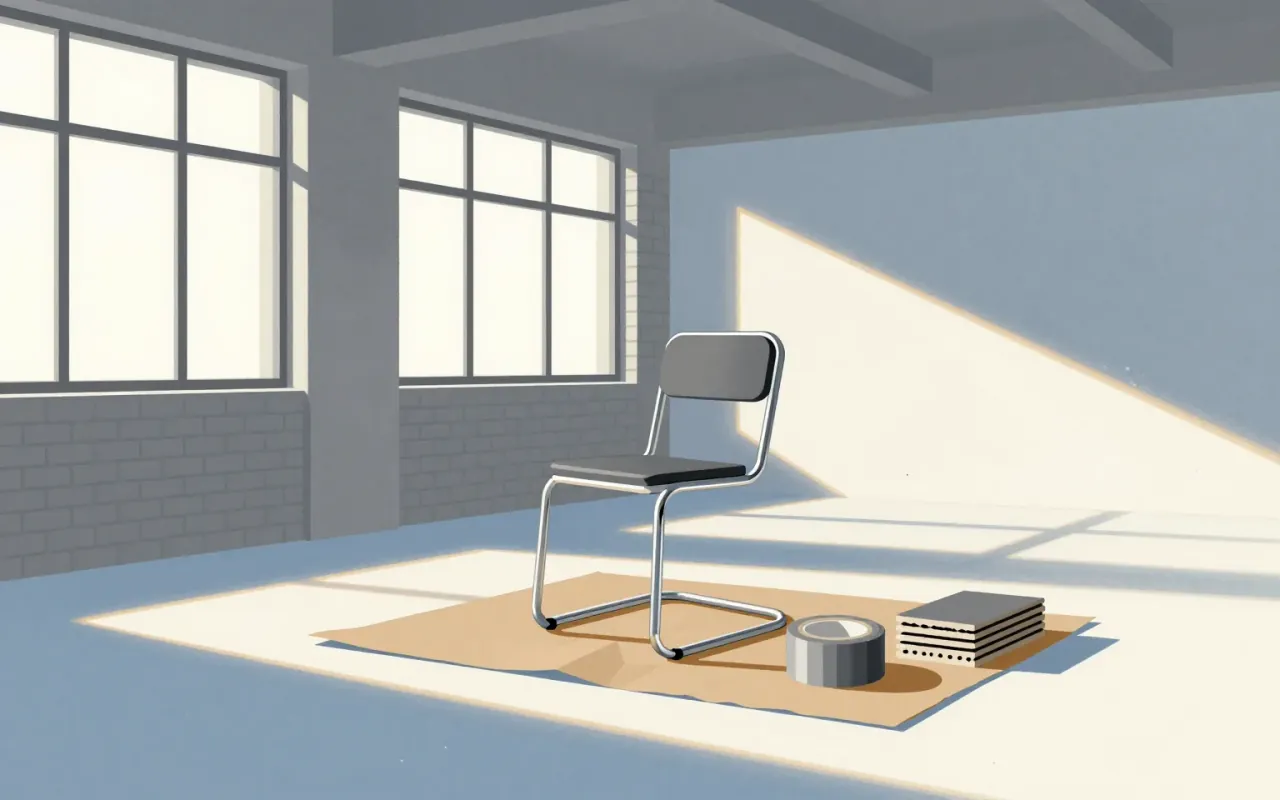
Giancarlo Piretti's furniture offers a focused route into the design of folding and everyday seating.
0:58

Henrique Mindlin

Henrique Mindlin combined architectural practice with teaching and the documentation of Brazilian modernism.
0:53

IBM Logo

Paul Rand's eight-bar IBM mark makes reproduction part of the design problem.
0:55

Joost Schmidt

Joost Schmidt's Bauhaus career connects lettering, sculpture and graphic design education.
0:53

Jurgen Bey

Jurgen Bey's practice extends from furniture to interiors and public space.
1:17

Kleenex Tissue

A paper product found its dominant use after customers encountered it for another purpose.
0:56

Knotted Chair

Marcel Wanders turns a knotted textile into a rigid chair through composite materials.
1:18

LC4 Chaise Longue

An adjustable reclining chair whose authorship deserves as much attention as its silhouette.
1:17

LEGO Brick

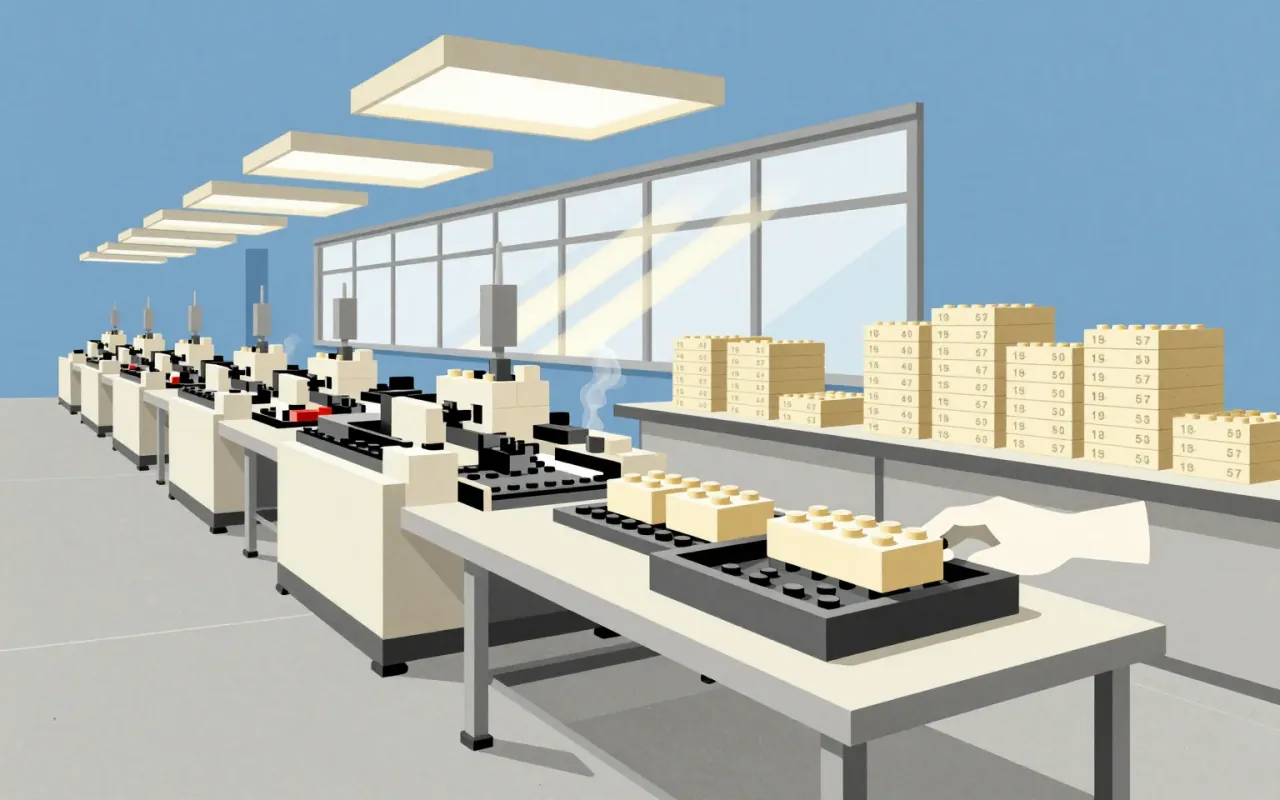
A repeatable connection turns individual plastic pieces into a reusable construction system.
0:57

Lockheed Lounge

Marc Newson's Lockheed Lounge puts riveted aluminium over a curved fibreglass body.
1:18

Luke Wroblewski

Wroblewski connects interface design, product leadership and practical writing about the web.
0:56

Massive Change

Bruce Mau and the Institute without Boundaries used an exhibition and book to examine design at the scale of systems.
1:19

Mercedes-Benz Logo

A three-pointed star carries an engineering ambition through badges and a corporate merger.
1:00

Musée des Confluences

Coop Himmelb(l)au's Lyon museum places an expressive steel-and-glass building at the meeting of two rivers.
1:03

NASA Worm Logo

Danne and Blackburn's 1975 NASA logotype turns four letters into a compact graphic identity.
1:21

Neri & Hu

A Shanghai practice connects architecture with interiors, objects and graphic design.
1:11

Noto Sans Arabic

Noto Sans Arabic combines an unmodulated design with the requirements of Arabic text shaping.
1:09

Noto Sans Devanagari

Noto Sans Devanagari brings an unmodulated approach to a script that depends on complex text shaping.
1:07

Noto Sans Hebrew

Noto Sans Hebrew provides an unmodulated family for a writing system with letters, positional forms and marks.
1:13

Noto Sans Japanese

Noto's Japanese sans family coordinates kana, kanji and additional scripts within one typographic resource.
0:51

Otmar Alt

Otmar Alt's career crosses painting, graphic work, sculpture and public campaigns.
0:56

Playboy Logo

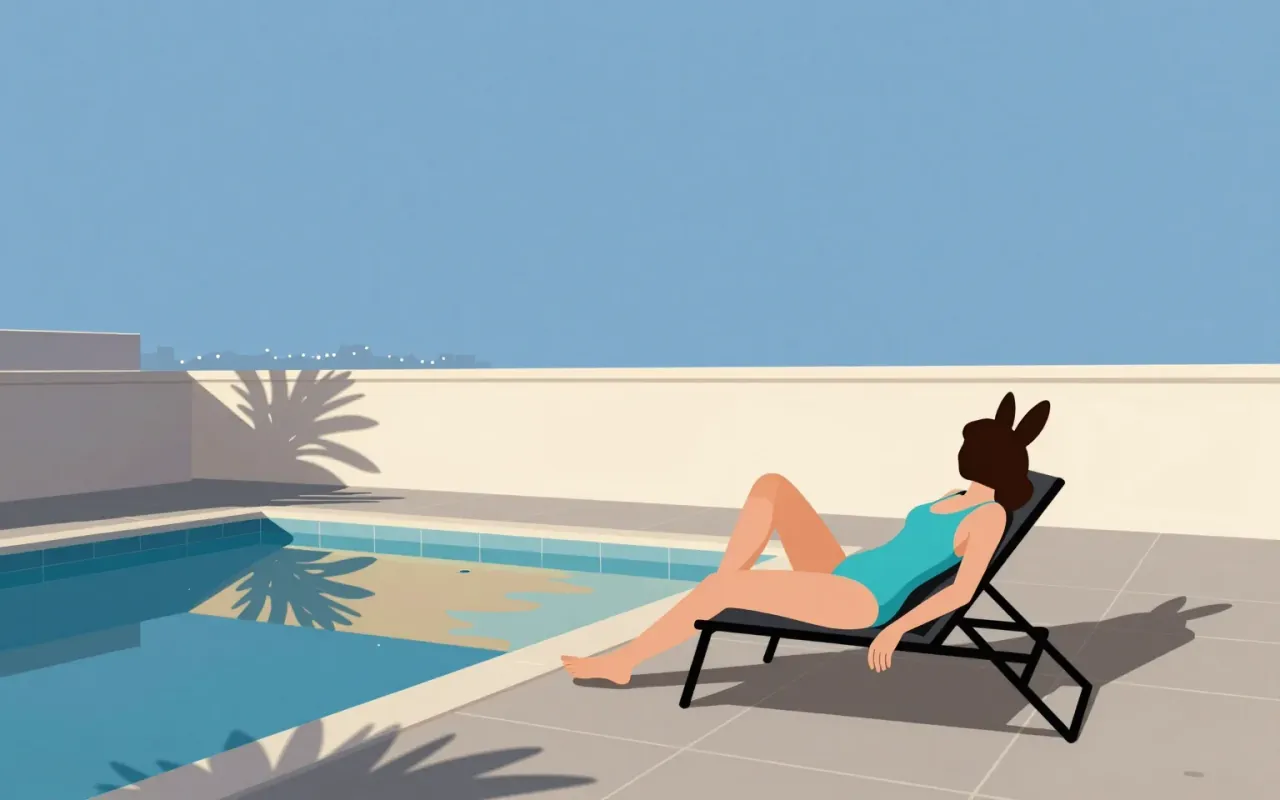
Art Paul's rabbit-head silhouette developed from a magazine endnote into a brand emblem.
1:17

Porsche Logo

A constructed coat of arms combines the company name with Stuttgart and regional heraldry.
1:17

Proxima Nova

Mark Simonson expanded a six-font design into a coordinated typographic family.
0:54

Shell Logo

Raymond Loewy's 1971 revision gives Shell's scallop emblem a strongly defined graphic form.
0:51

Shoei Yoh

Shoei Yoh's work connects furniture, glass and timber buildings with experiments in architectural form.
1:05

Stanislav Libenský

Libenský's glass work is best understood through his sustained partnership with sculptor Jaroslava Brychtová.
1:17

Steve Krug

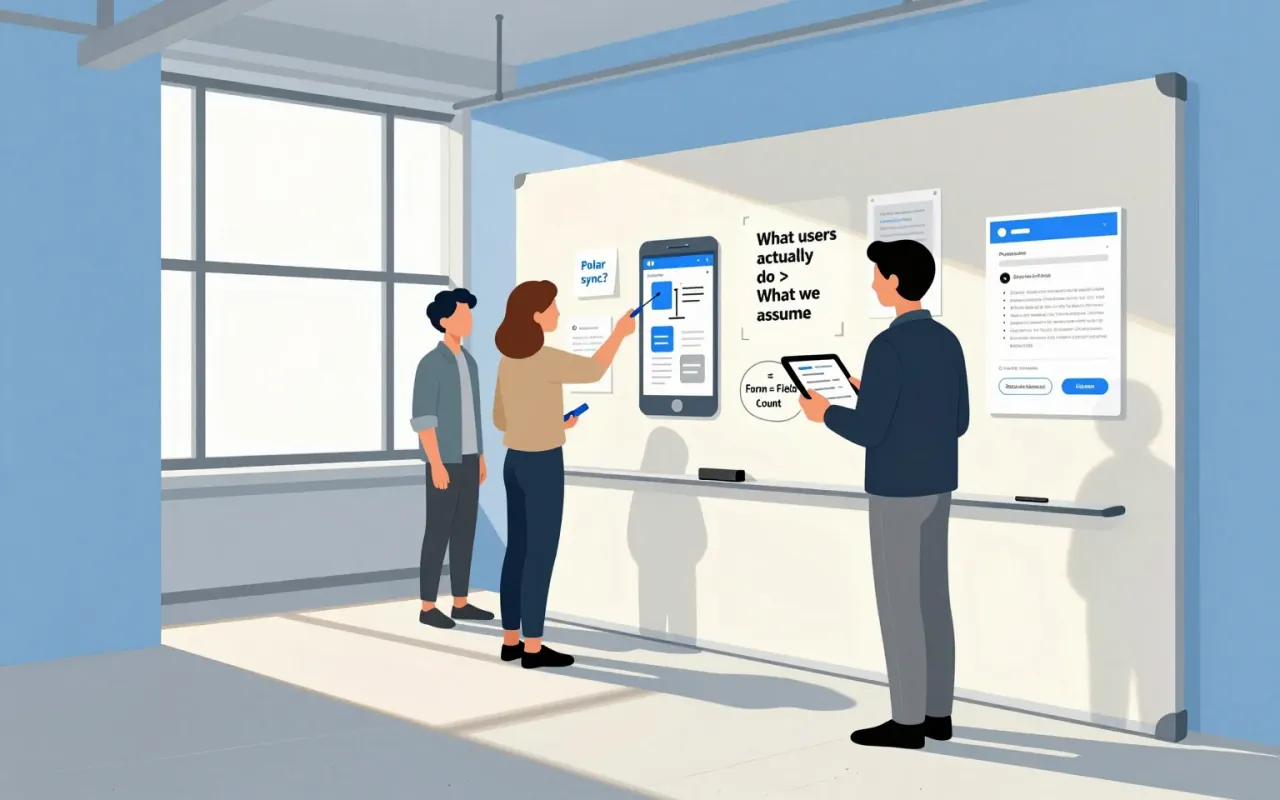
Steve Krug connects practical web-usability advice with do-it-yourself testing.
1:18

Tetra Pak Carton

The original tetrahedral carton was inseparable from the machine that formed and filled it.
1:22

Vespa Scooter

An enclosed drivetrain and a step-through body reorganised the relationship between rider and machine.
13:32

Afra and Tobia Scarpa

Material obsession over style: their work answers 'what can this do?' before 'what should it look like?'
1:44

Arco (lamp)

Achille & Pier Giacomo Castiglioni · 1962

Achille and Pier Giacomo Castiglioni designed the Arco floor lamp for Flos in 1962. It connects a suspended spun-aluminium pendant to a Carrara marble base through an arching stainless-steel arm.

5:45

Arne Norell

Norell’s furniture isn’t Swedish modernism — it’s Danish influence made local, then licensed for longevity.
9:36

550 Madison Avenue

Philip Johnson · 1984

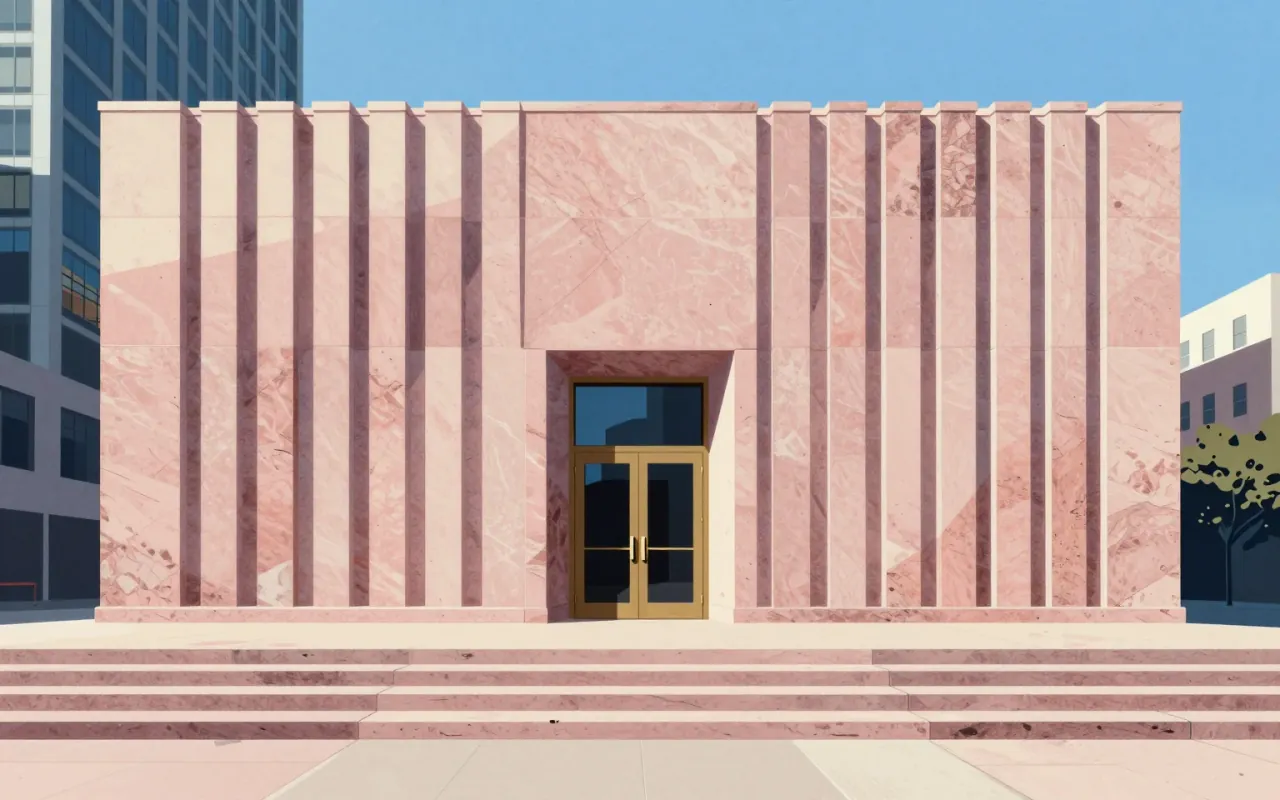
550 Madison Avenue is a postmodern skyscraper completed in 1982 by Philip Johnson and John Burgee. It uses pink Stony Creek granite cladding and features an eight-story arched entry and split pediment. It challenged modernist functionalism, complied with NYC zoning via an atrium, and reduced energy use versus glass towers. Though not the first postmodern building, its scale and location made it the movement’s most famous example. It was designated a NYC landmark in 2018.

9:30

B&B Italia

A furniture company founded in 1966 is not a design object — it’s a corporate instrument with measurable constraints and choices.
1:49

Barcelona chair

Ludwig Mies van der Rohe · 1929

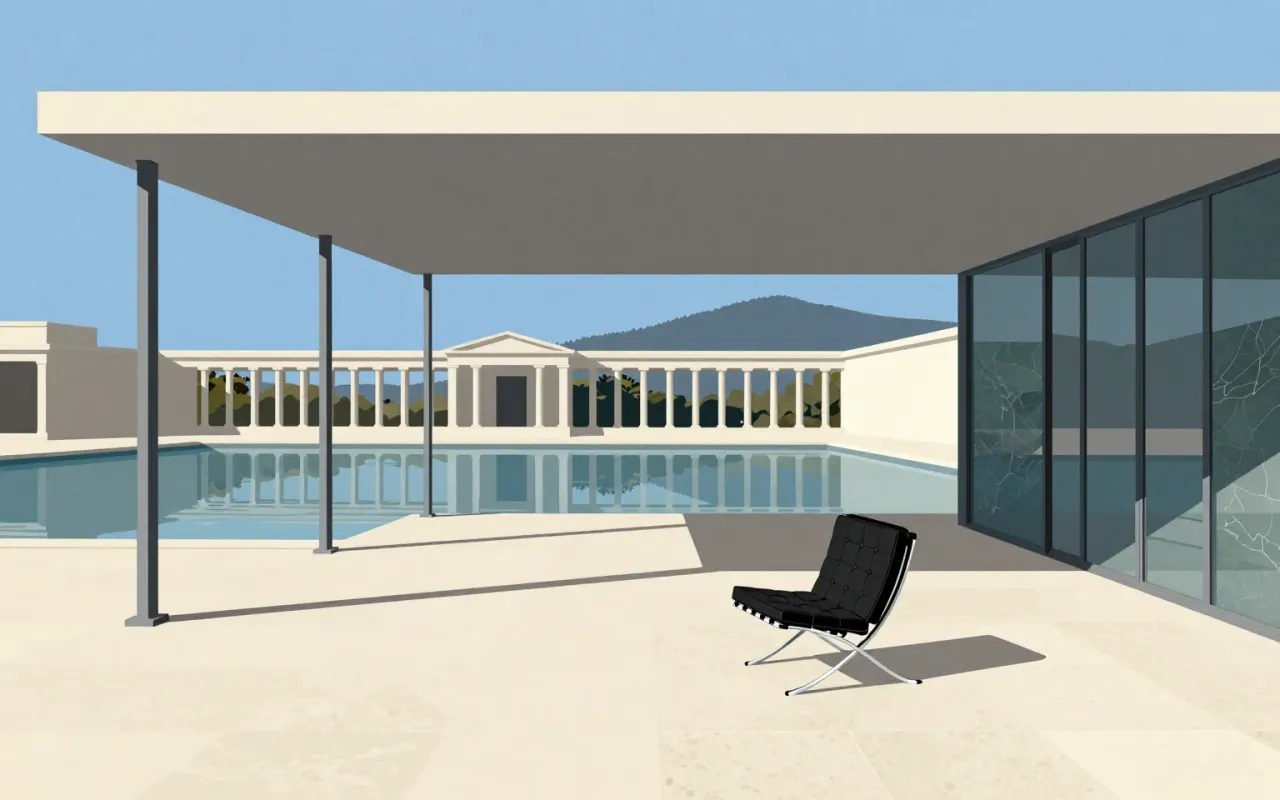
Associated with Ludwig Mies van der Rohe and Lilly Reich's work for the German Pavilion in Barcelona in 1929, the Barcelona chair combines a metal frame with leather upholstery. Its construction changed after the original design.

9:27

Bic Cristal

It solved ink flow, grip, and visibility — then made disposability feel inevitable.
9:32

Cathedral of Brasília

Oscar Niemeyer · 1970

The Cathedral of Brasília is a hyperboloid concrete-framed structure designed by Oscar Niemeyer and engineered by Joaquim Cardozo, featuring subterranean massing, symbolic column geometry, passive thermal design via a reflecting pool, a fiberglass outer roof, and a large suspended stained-glass composition. It specifies construction methods, dimensional and material properties, spatial sequencing (tunnel entry), and symbolic intent tied directly to structural form.
4:24

Bret Victor

Bret Victor didn’t build the iPad—he built the argument against it.
8:05

Brutalist architecture

Brutalism isn’t ugly — it’s unbendingly honest about what a building is made of and why it stands there.
10:58

Centre Pompidou-Metz

A regional museum that uses geometry, sightlines, and roof engineering — not branding — to assert cultural parity with Paris.
11:22

Charles and Ray Eames

Charles and Ray Eames were not stylists — they were problem-solvers who turned plywood, pressure, and wartime urgency into a new grammar of making.
8:59

Charles Correa

Correa’s architecture refuses imported aesthetics — but builds no system for replicating its cultural logic.
9:49

Constructivism (art)

Constructivism isn’t about looking modern — it’s about building society with rivets, type, and montage.
10:00

Critical design

Critical design doesn’t solve problems—it makes you question why you assumed they were problems in the first place.
9:55

The Crystal Palace

Joseph Paxton · 1851

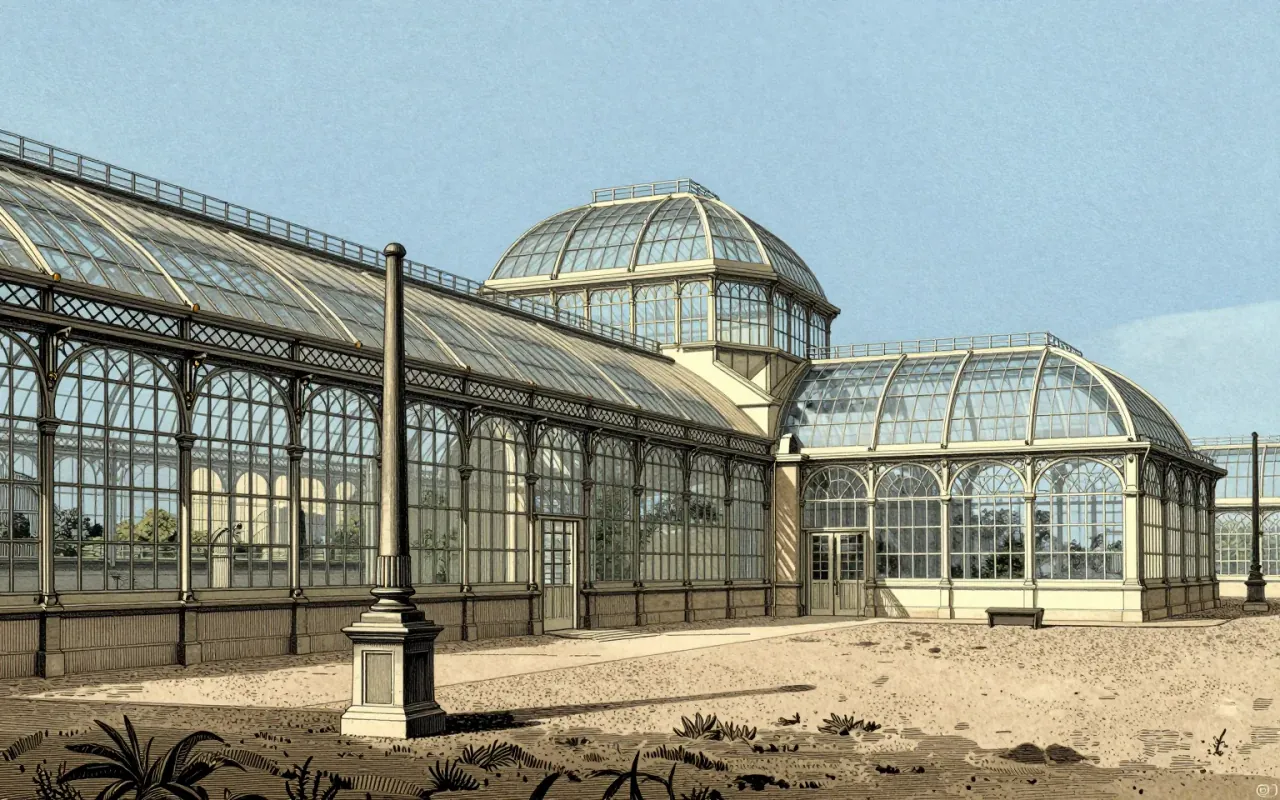
The Crystal Palace was a cast iron and plate glass exhibition hall built for the Great Exhibition of 1851. It measured 1,851 feet long and 128 feet high internally. Its modular design followed the dimensions of glass panes supplied by Chance Brothers. It was completed in thirty-nine weeks by 2,000 men at a cost of £79,800. It used 293,000 panes of glass—the greatest area ever seen in a building—and astonished visitors with clear walls and ceilings that required no interior lighting. Its construction relied on recent advances in glass and cast iron manufacturing and the abolition of the glass tax. It demonstrated British industrial capability in iron and glass.

5:16

DIN 1451

German Institute for Standardization · 1931

DIN 1451 is a foundational typographic standard—not a font family, but a reproducible system. Its value lies in its constraint-driven clarity, not its aesthetic novelty.

5:27

Egg (chair)

Arne Jacobsen · 1958

The Egg chair is a tightly constrained response to the SAS Royal Hotel commission: a sculptural, isolating seat made possible by new materials. Its couch variant reveals the cost of scaling that logic — a visible seam, limited production, and unresolved tension between form and upholstery. It belongs to design/furniture and design/interiors. Topics include furniture, industrial-design, and interiors.

8:37

Enric Miralles

Miralles treated detail as meaning—and refused to separate architecture from the ground it stood on.
10:42

Erik Spiekermann

Typography is not about taste — it’s about infrastructure, and Spiekermann built it.