Johannes Itten
Itten didn’t teach colour—he taught how to see it, then how to unlearn what you thought you knew.


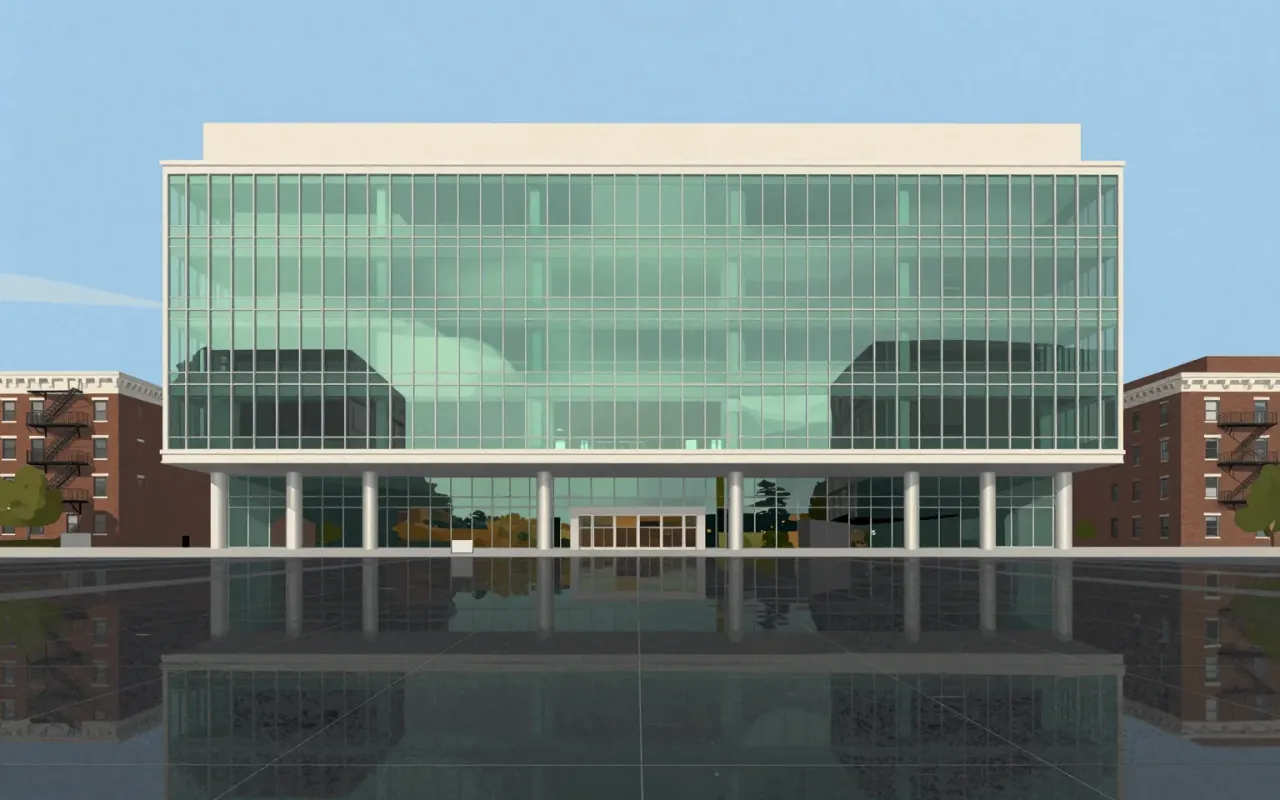
Lever House is a 21-storey New York City office building completed in 1952. It is a glass-clad slab, built for Unilever, that uses fixed glazing, concealed HVAC, and a custom window-cleaning system.


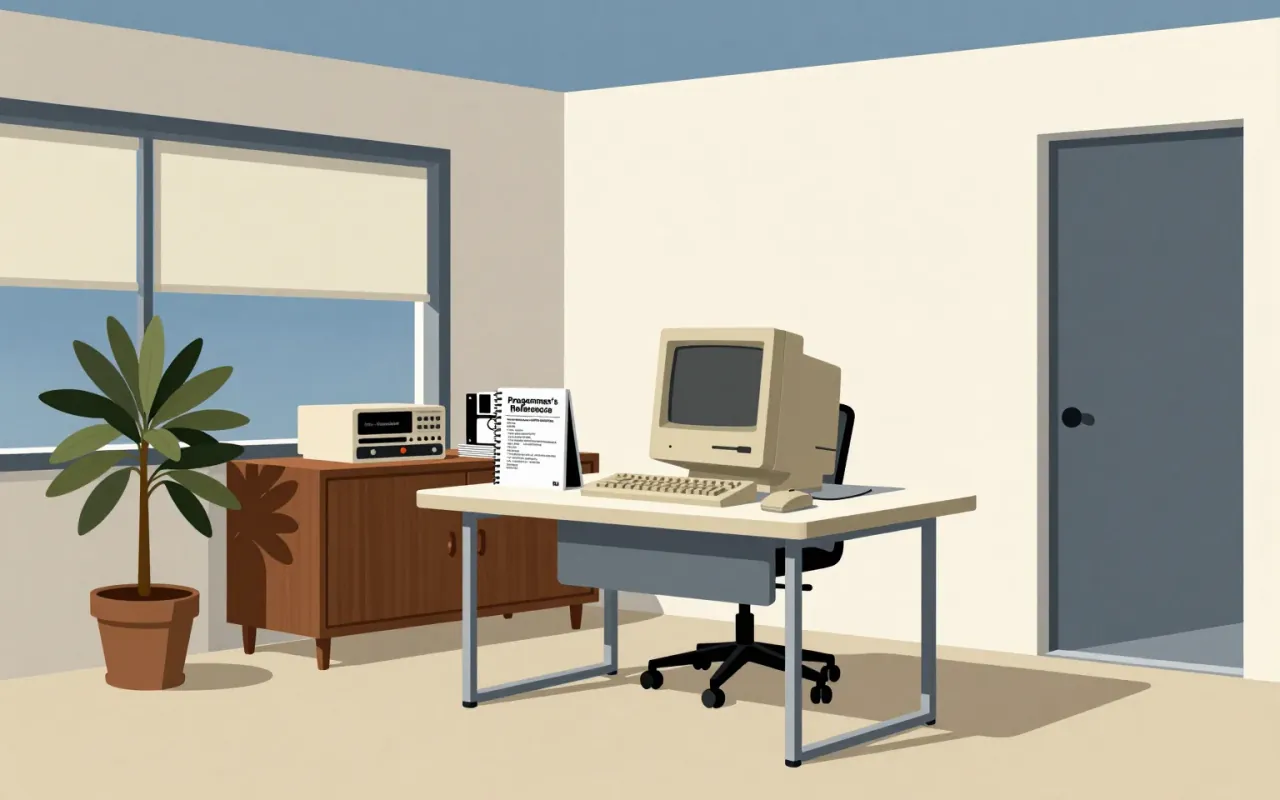
The Macintosh 128K is the original Macintosh personal computer from Apple. It is the first successful mass-market all-in-one desktop personal computer with a graphical user interface, built-in screen and mouse. It was pivotal in establishing desktop publishing as a general office function. Its hardware includes a 9-inch, 512×342 pixel monochrome CRT display, a Motorola 68000 microprocessor running at 7.8336 MHz, 128 KB RAM shared by the processor and display controller, and 64 KB ROM containing the boot procedure, OS routines, and the complete QuickDraw picture language and interpreter. The RAM consists of sixteen 64-kilobit modules soldered to the logic board. It ships with MacPaint and MacWrite to showcase its GUI and mouse-driven workflow.
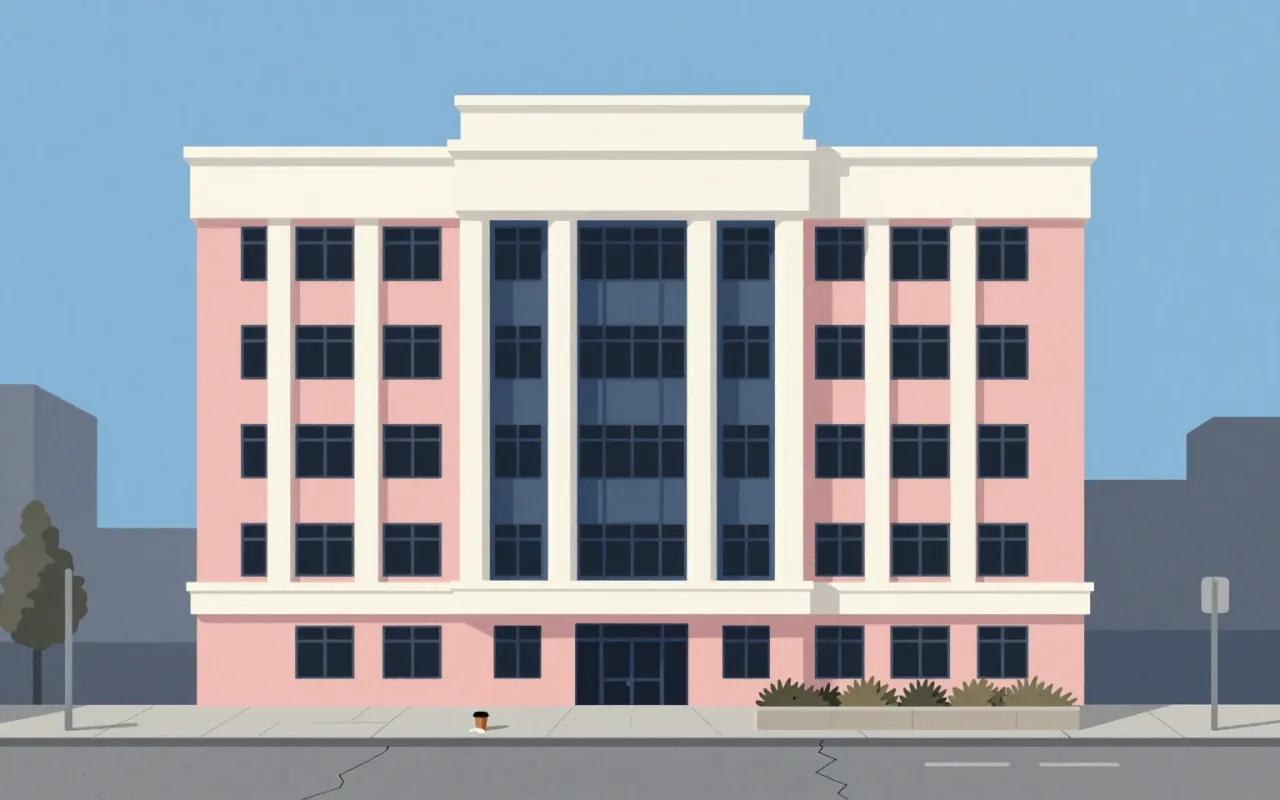
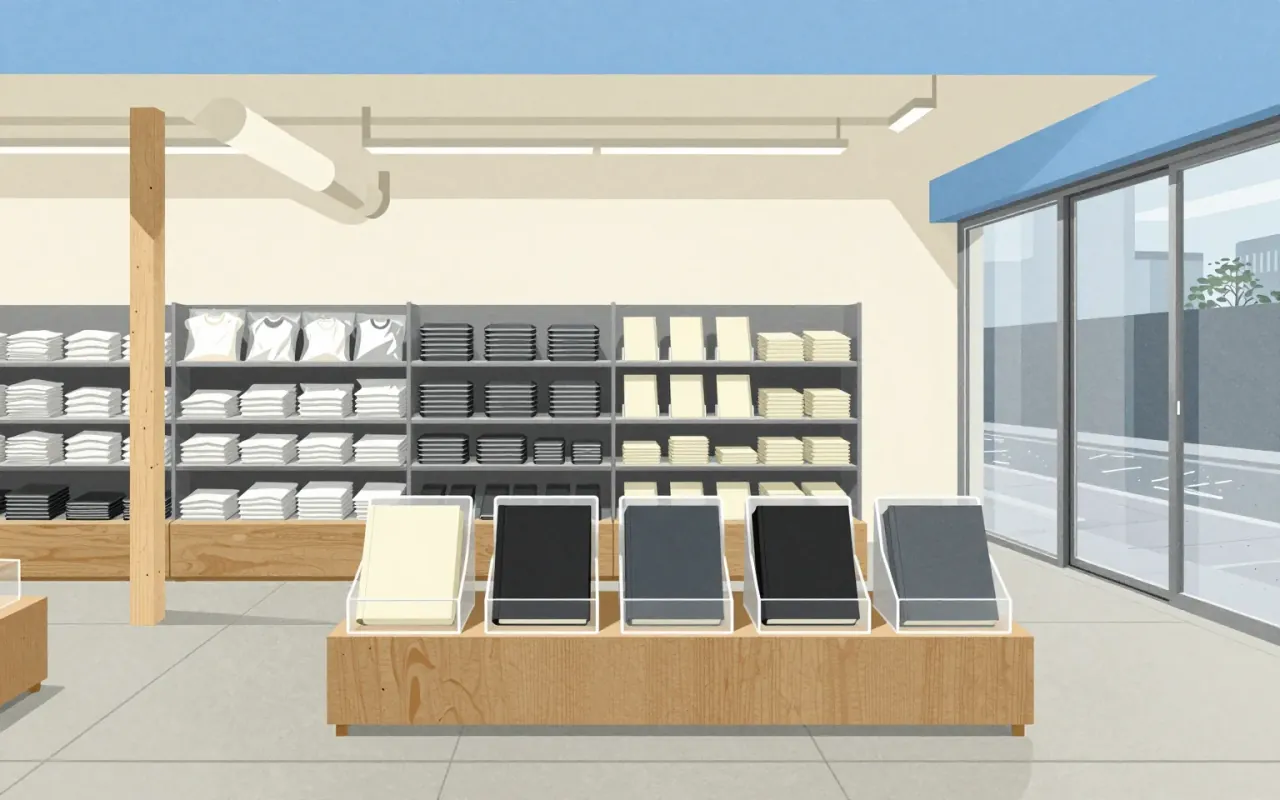
The work is Kenya Hara’s 2001 appointment as Muji’s art director — a strategic, graphic-led recalibration of a brand adrift from its 'No design' principle. He treated every object as designed, not neutral; replaced myth with method; and tightened coherence across 5,000 products and 250 stores. His posters — 'Horizon' (2003) and 'Natsure, Naturally, MUJI.' (2018) — are artefacts of that stance. Nothing in the sources supports claims about product design, architecture, or influence beyond Muji itself.
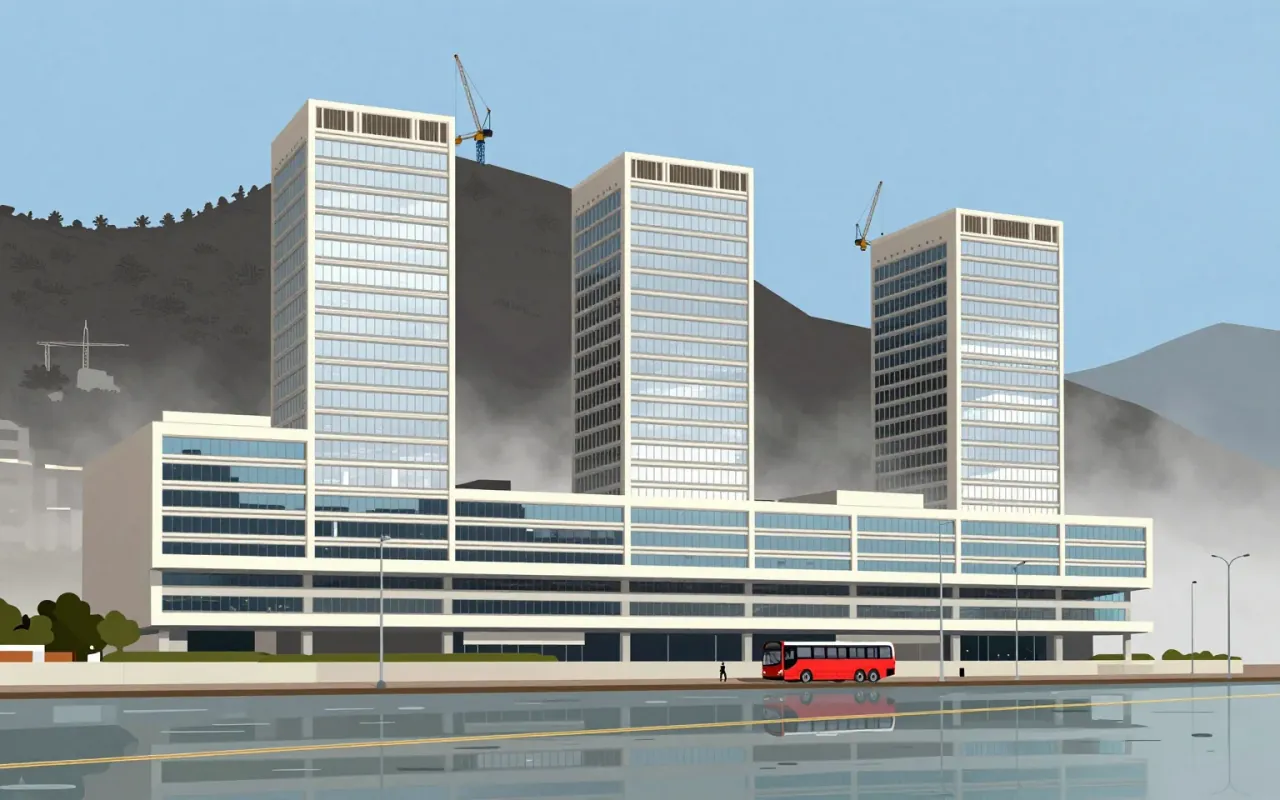
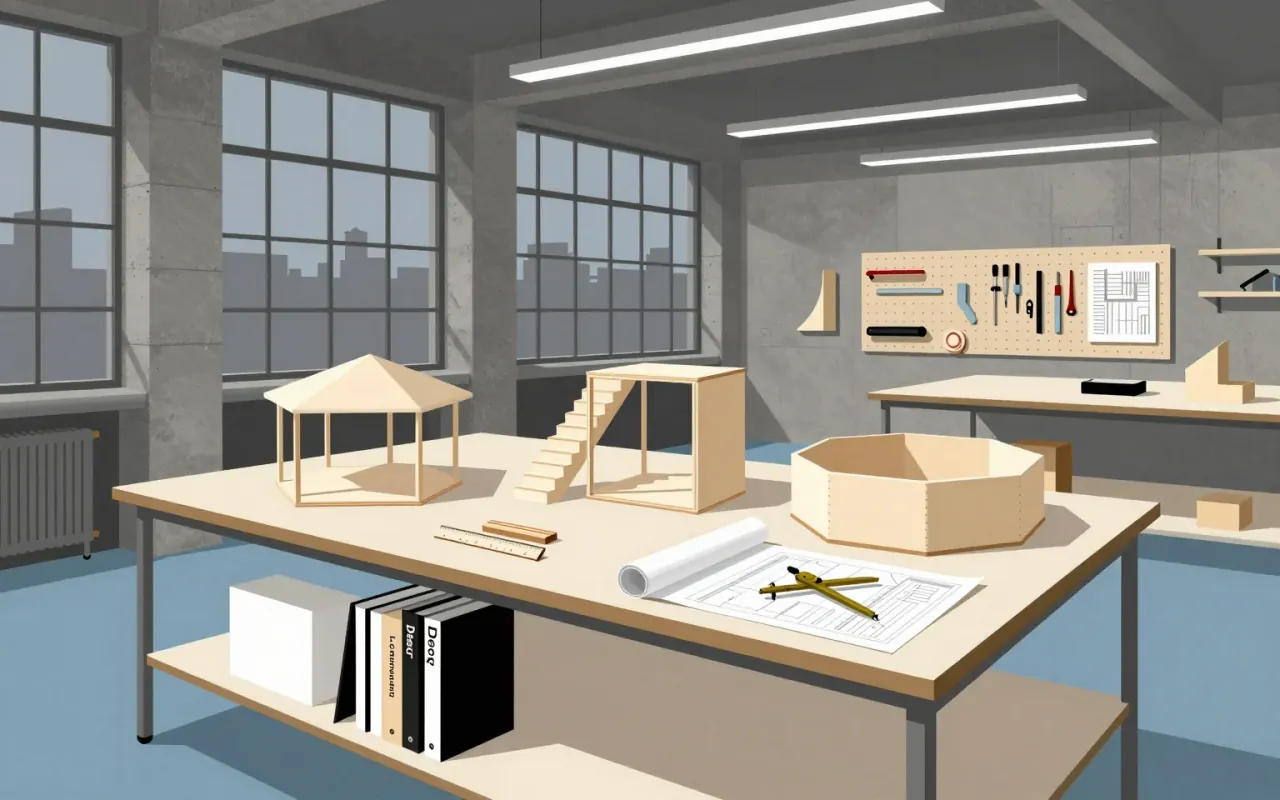
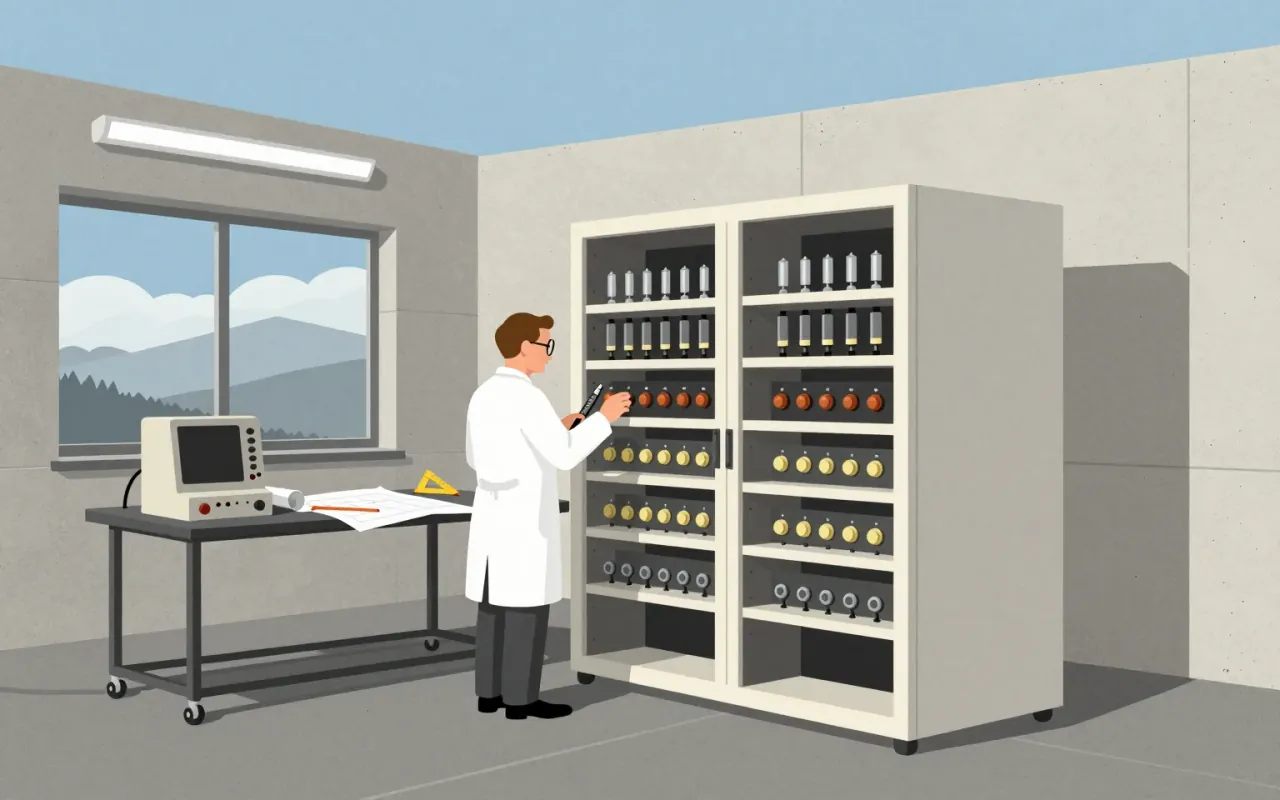
Adriano Olivetti’s work is a coherent, documented system of industrial organisation, spatial planning, and political theory — not a collection of iconic objects. Its strength lies in the linkage between departmental structure, worker housing, advertising partnerships, and published doctrine. Its limitation is that none of the celebrated products (Lettera 22, Programma 101, Valentine, Elea 9003) are attributed to him directly in the source material. The influence is structural, not stylistic.
Open Sans is a functional, open-source humanist sans-serif designed by Steve Matteson for Google in 2011. It prioritises screen legibility through wide apertures and large x-height, supports Latin, Greek, Cyrillic (897 glyphs), gained Hebrew and variable font support in 2021, and manifests publicly via a Google Easter egg. It does not extend beyond those scripts. Its influence lies in normalising open-source, cross-platform typography — not aesthetic innovation.
Optima is a deliberate hybrid: a sans-serif built from serif sources, calibrated by mathematical proportion, and tested in real textual labour. It does not invent new categories — it occupies the gap between them with precision.
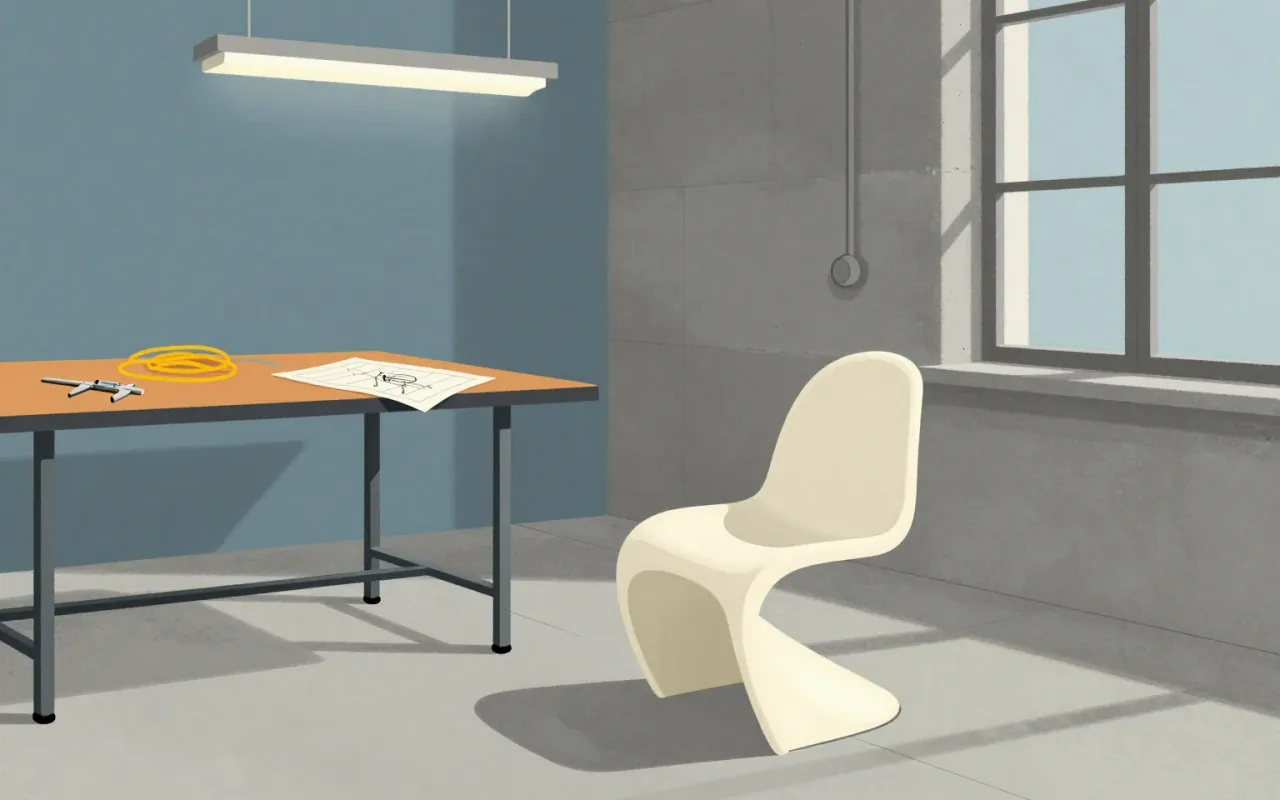
The Panton Chair is the world’s first single-piece moulded plastic chair — a continuous S-shaped shell with no legs, no joints, no assembly. Designed by Verner Panton in the 1960s, it emerged from iterative prototyping in plaster and fibreglass-reinforced polyester, then scaled via thermoplastic polystyrene injection moulding. Its success lies in resolving stackability, cantilever, and monolithic form — but its fixed geometry sacrifices adaptability and long-term durability. It proved plastic could carry structure and identity at scale, influencing decades of industrial seating. It is worth your time: not as a relic, but as a decisive answer to a tight set of material and manufacturing constraints.

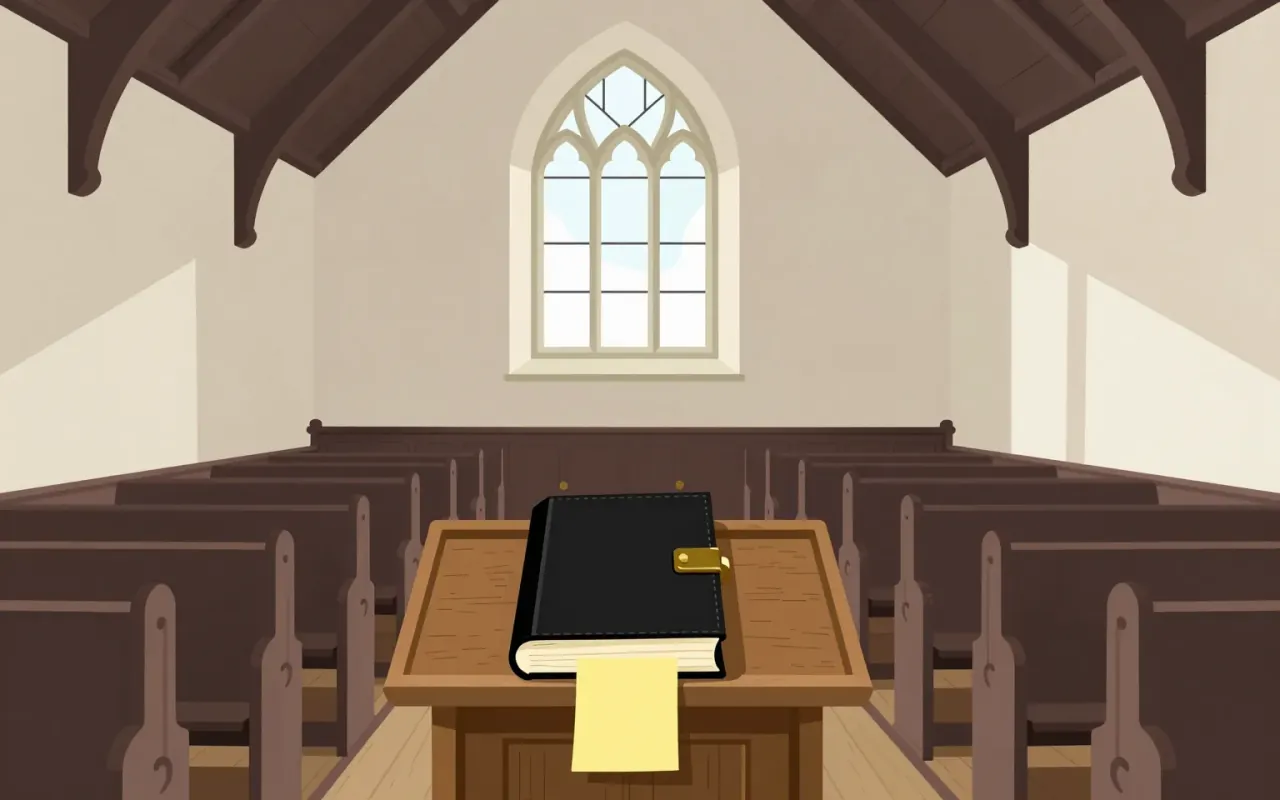
The Post-it note is a small sheet of paper with a low-tack, reusable, pressure-sensitive adhesive. It emerged from a failed adhesive experiment (1968), five years of internal neglect, a hymn-book insight (1974), bootleg development, and opportunistic colour selection. Its communicative function was proven through employee message exchange—not market testing. The 1977 'Press 'n Peel' test failed; the 1978 Boise Blitz succeeded only after renaming and free-sample distribution. It is worth attention because it reveals how industrial innovation depends less on intention than on permission, accident, and low-fidelity validation.
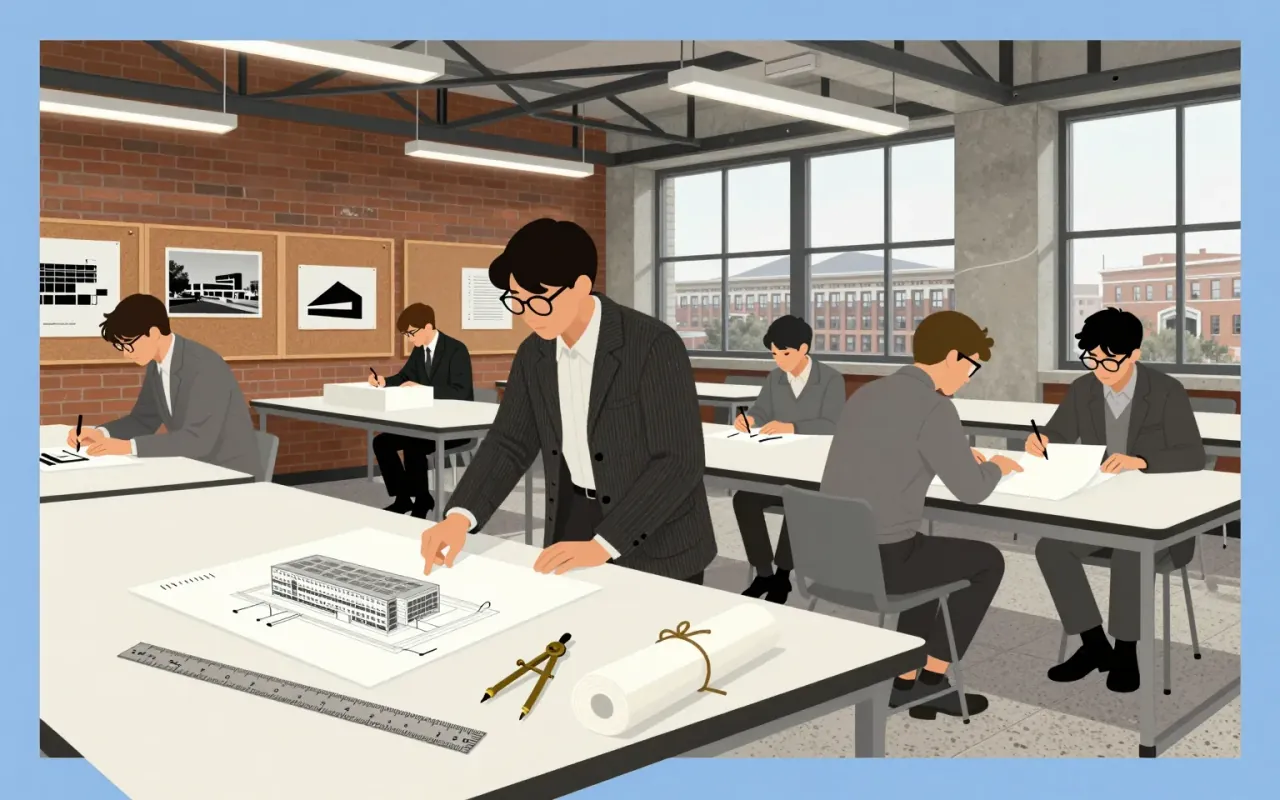
Robert Venturi’s ‘Postmodernism’ is two books — not a style, not a movement, not a building. It is a method for reading complexity into architecture where modernism saw only noise. It trades certainty for interpretation. It trades universality for local meaning. It trades elegance for richness. Its power lies in what it permits, not what it prescribes.
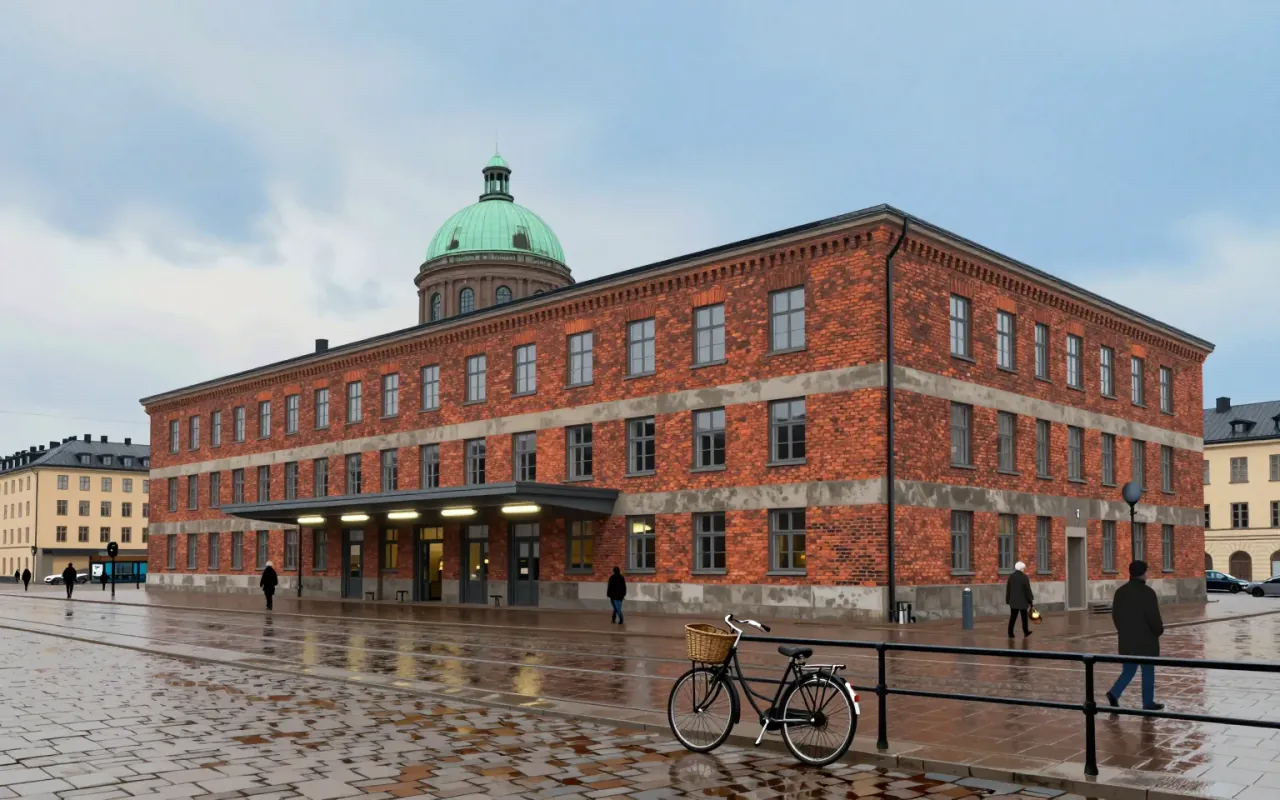
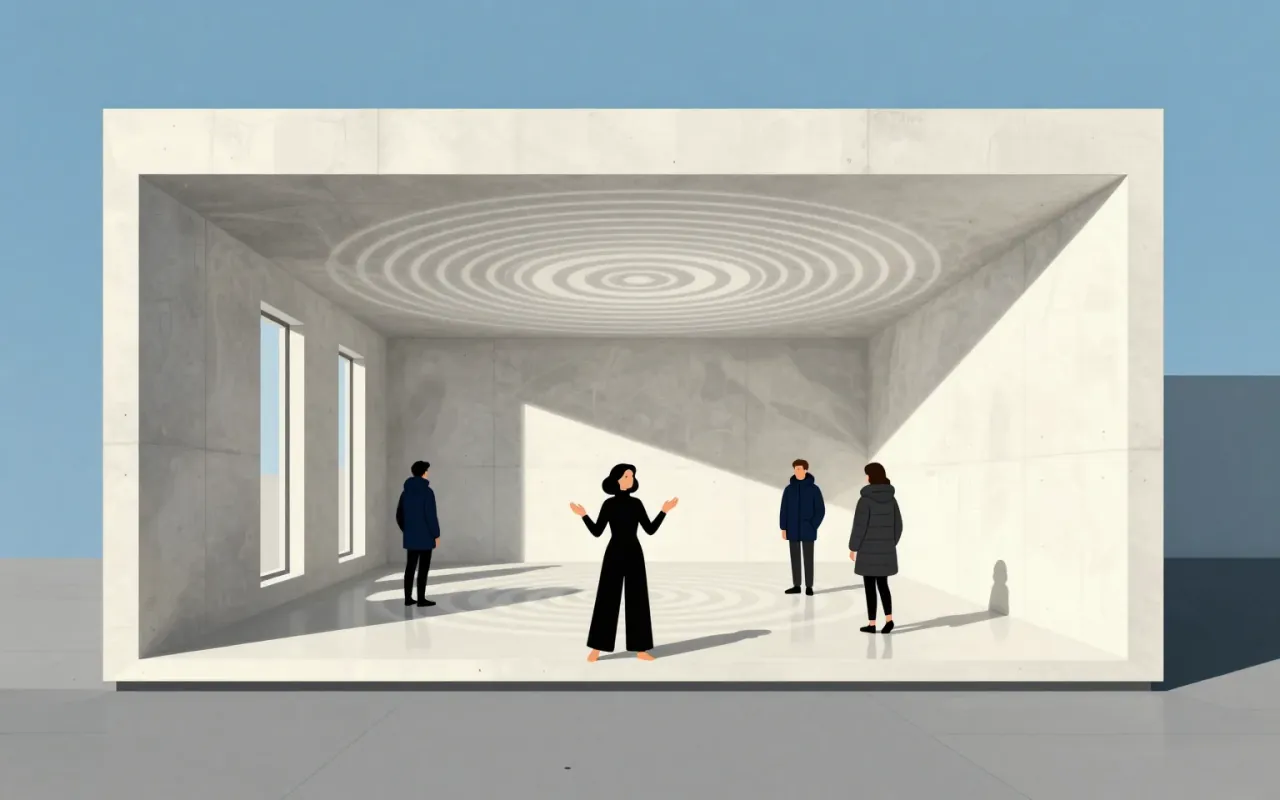
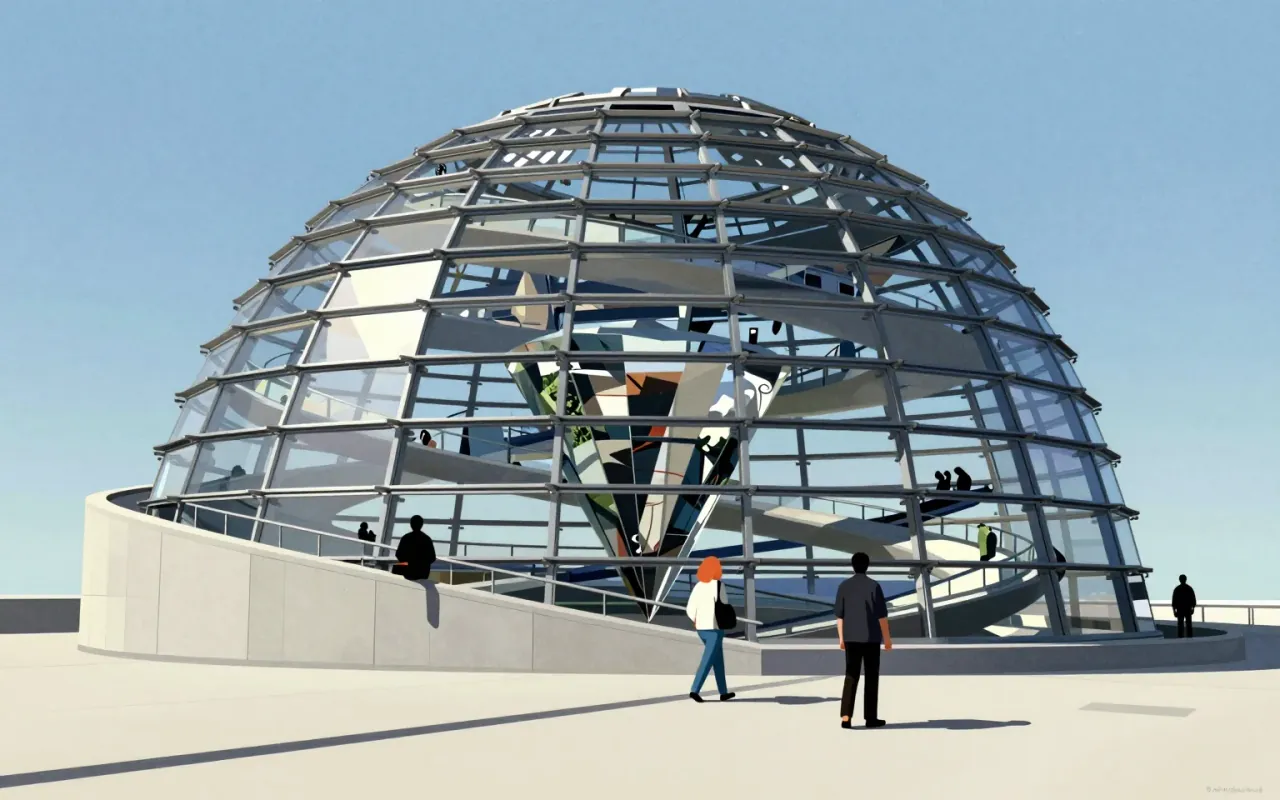
The Reichstag dome is a reconstructed glass structure on the Reichstag building in Berlin. Norman Foster designed it from Gottfried Böhm’s idea. Waagner-Biro built it. It features a mirrored cone, two steel spiral ramps, an electronically tracked sun shield, and daylight-driven energy efficiency. It provides a 360° view of Berlin. It makes the Bundestag chamber visible from above. It symbolises German reunification and democratic transparency.
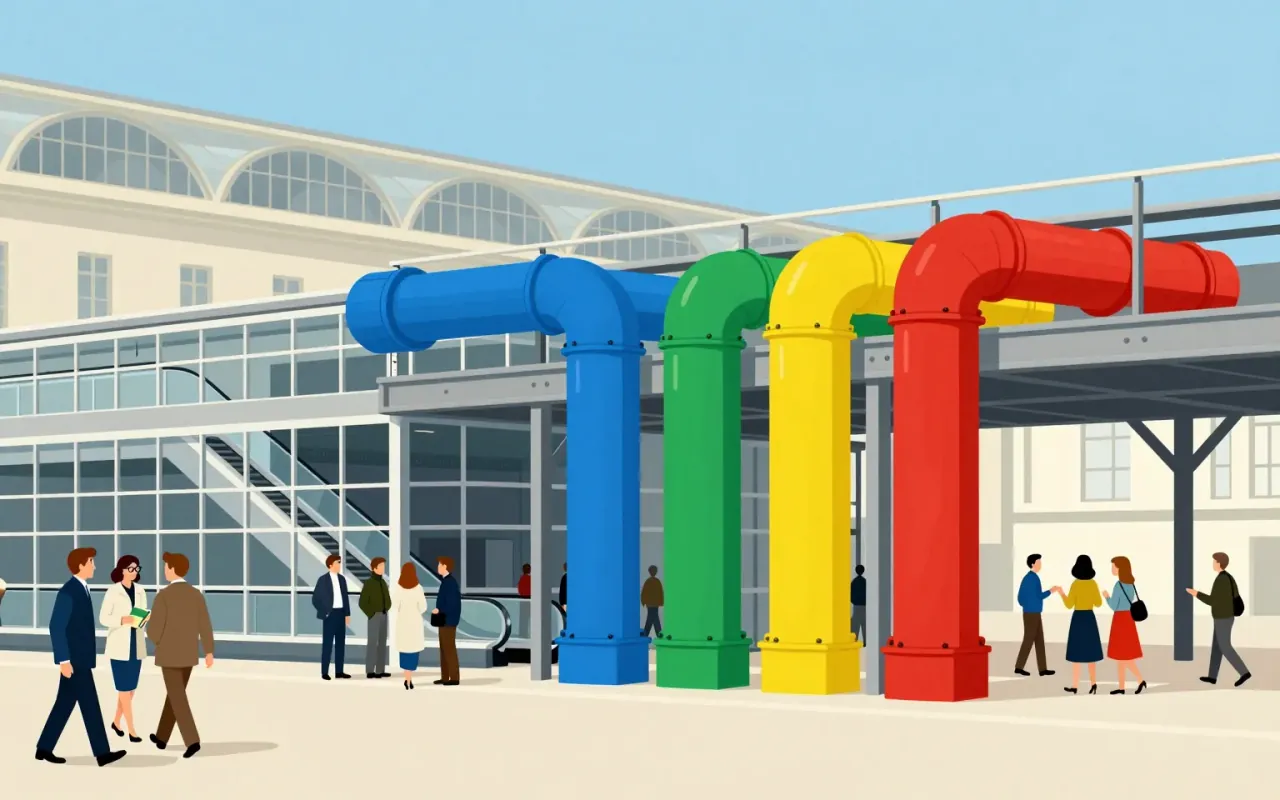
Roboto is a functional, open, and pervasive sans-serif typeface family designed by Christian Robertson for Google in 2011. It succeeded by solving a narrow problem well — legibility on early Android screens — then scaled through permissive licensing and platform integration.

Rockefeller Center is not a building but a coordination protocol disguised as architecture.
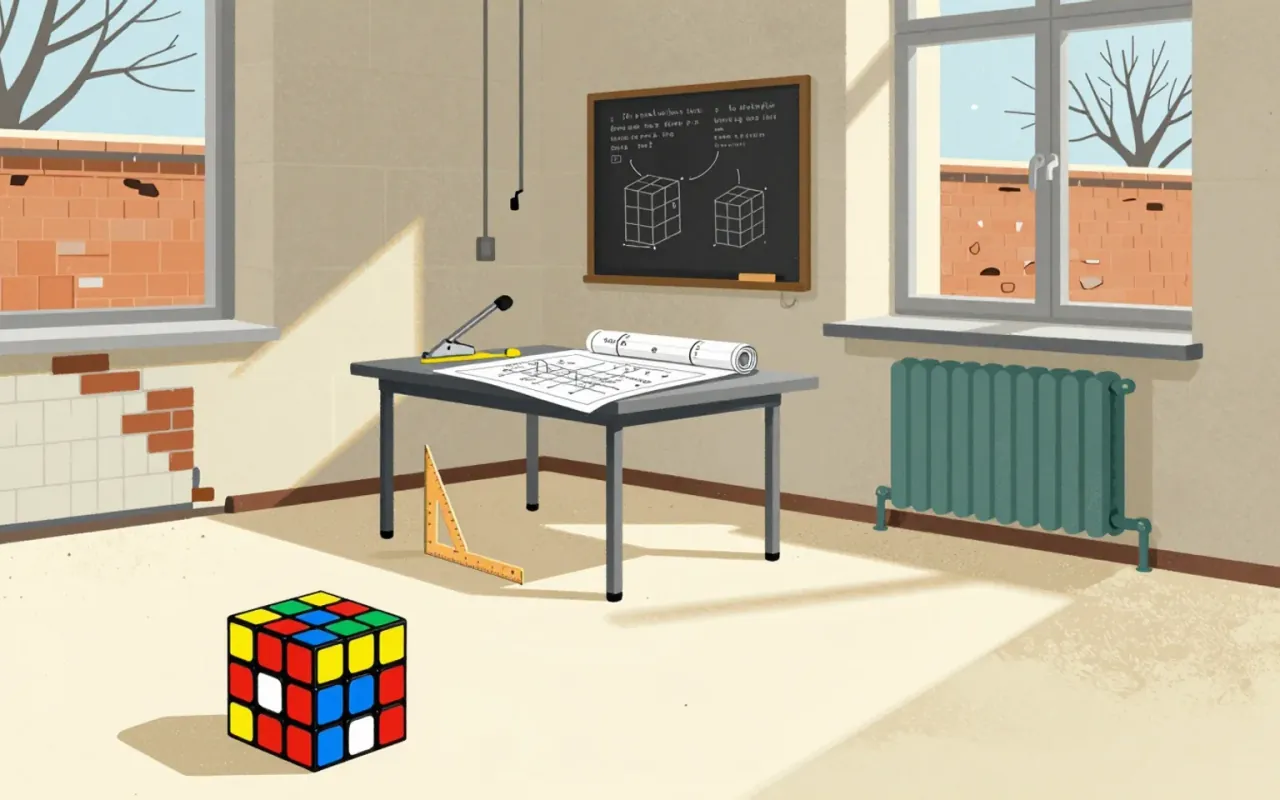
The Rubik's Cube is an industrial design solution to a structural problem — not a toy conceived for entertainment. Its puzzle nature was discovered retroactively. Its success rests on a durable, self-contained mechanical system made possible by interlocking plastic — a deliberate departure from earlier magnetic designs. It entered culture via student and enthusiast adoption in Budapest, not marketing or pedagogy. Its influence lies in proving that constraint-driven engineering can generate enduring cultural objects.


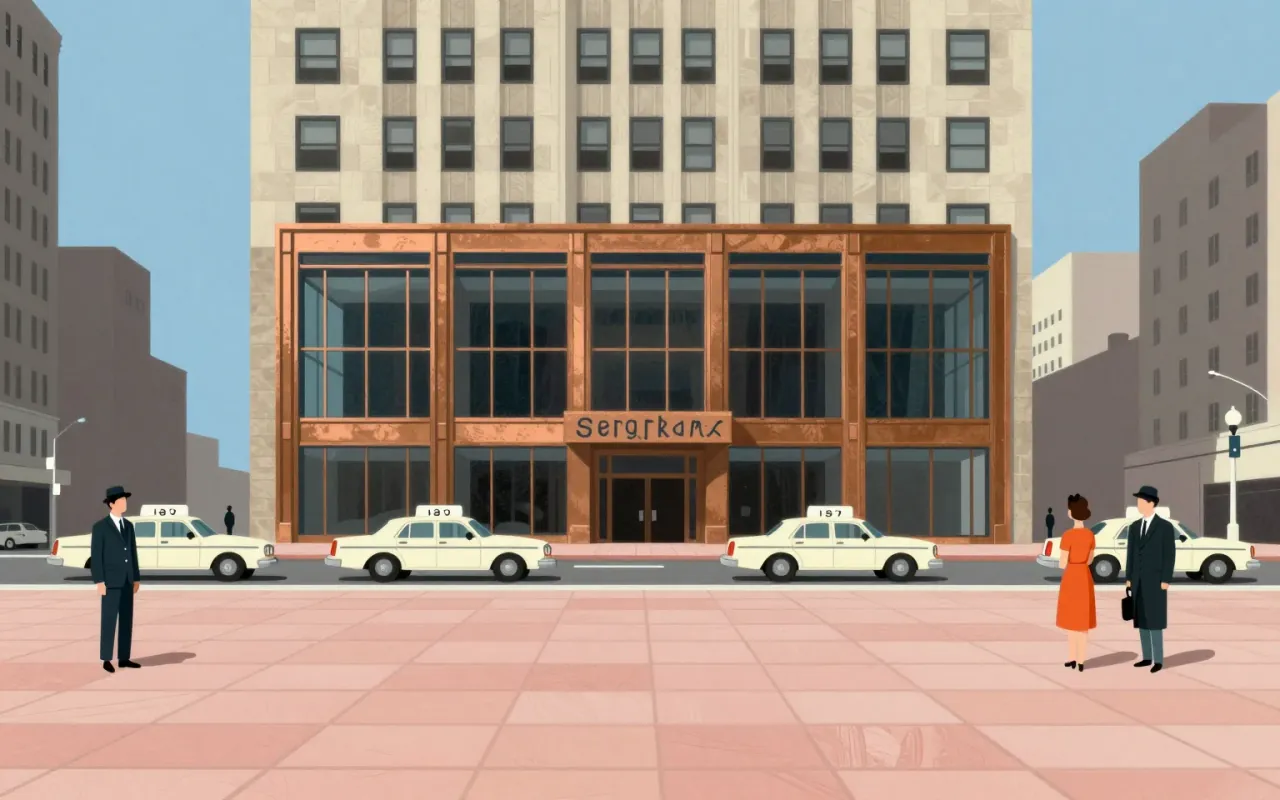
The Seagram Building is a methodologically rigorous application of International Style principles — sited, tested, and materialised with explicit constraints and innovations. Its influence is unverified. Its success lies in its documented departures: from structural facade integration, from NYC window conventions, and from untested corporate monumentality.



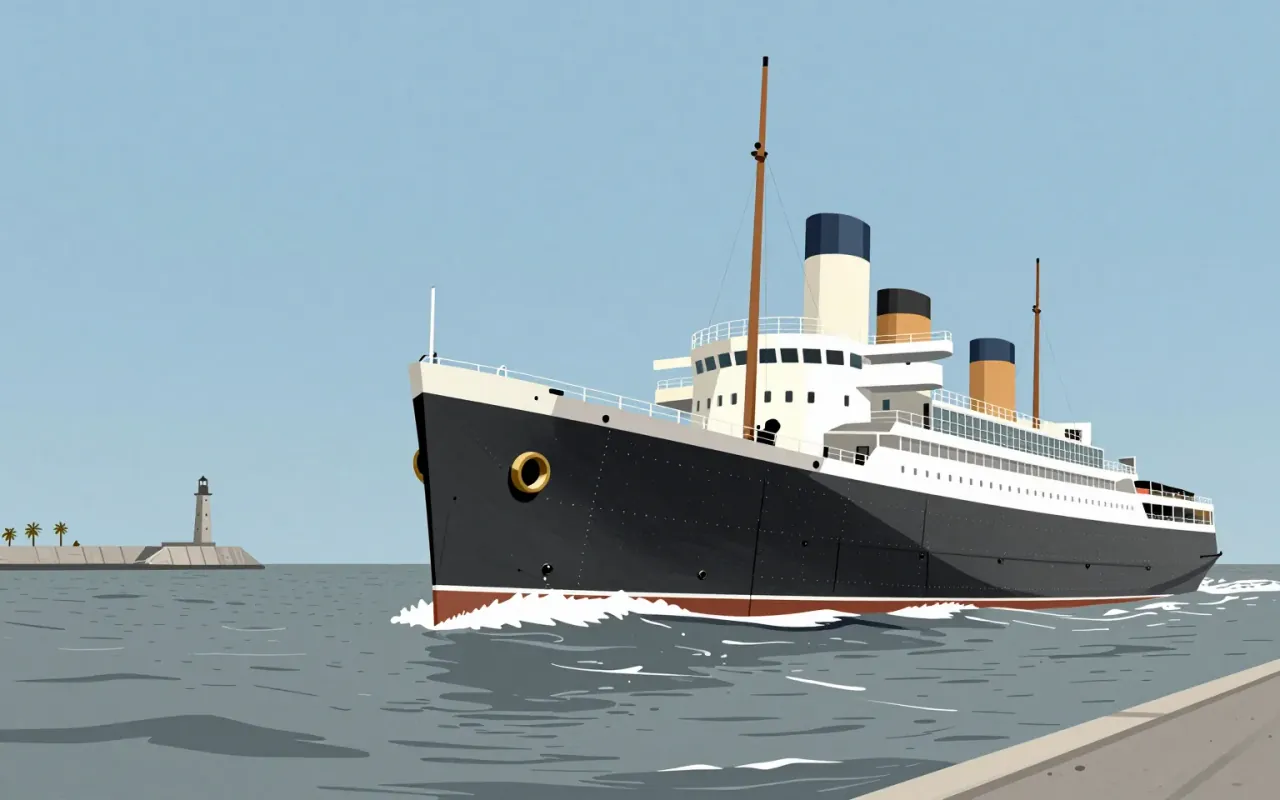


The Schweizer Offiziers- und Sportmesser is a pivotal industrial response: a compact, spring-driven, dual-sided tool system developed in Ibach, Switzerland in 1896. It solved production dependency on German suppliers, used cellulose fibre instead of imported materials, and achieved commercial viability without military adoption. Its influence lies not in novelty but in disciplined constraint — one spring, two sides, no commission, global reach.
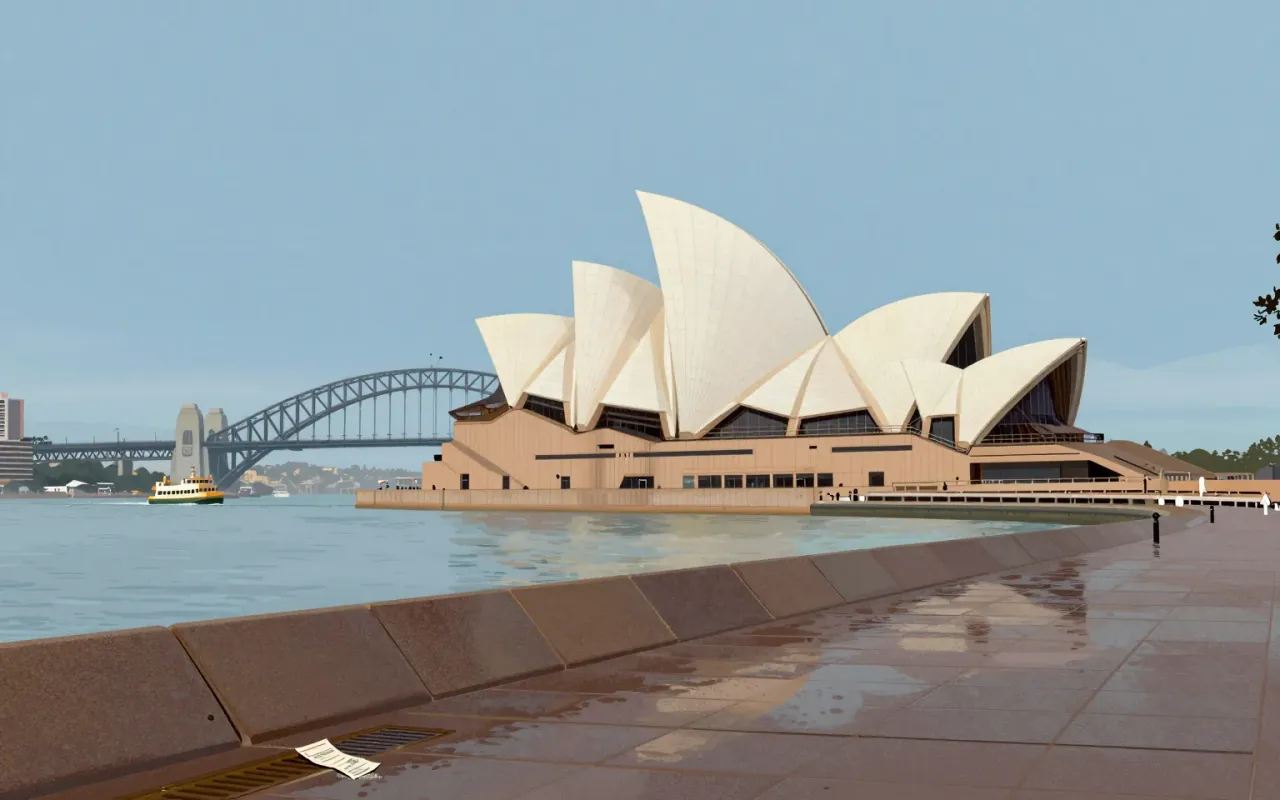
The Sydney Opera House is a landmark where aesthetic conviction collided with structural reality—and where resolution required iteration, computation, material innovation, and shared authorship.
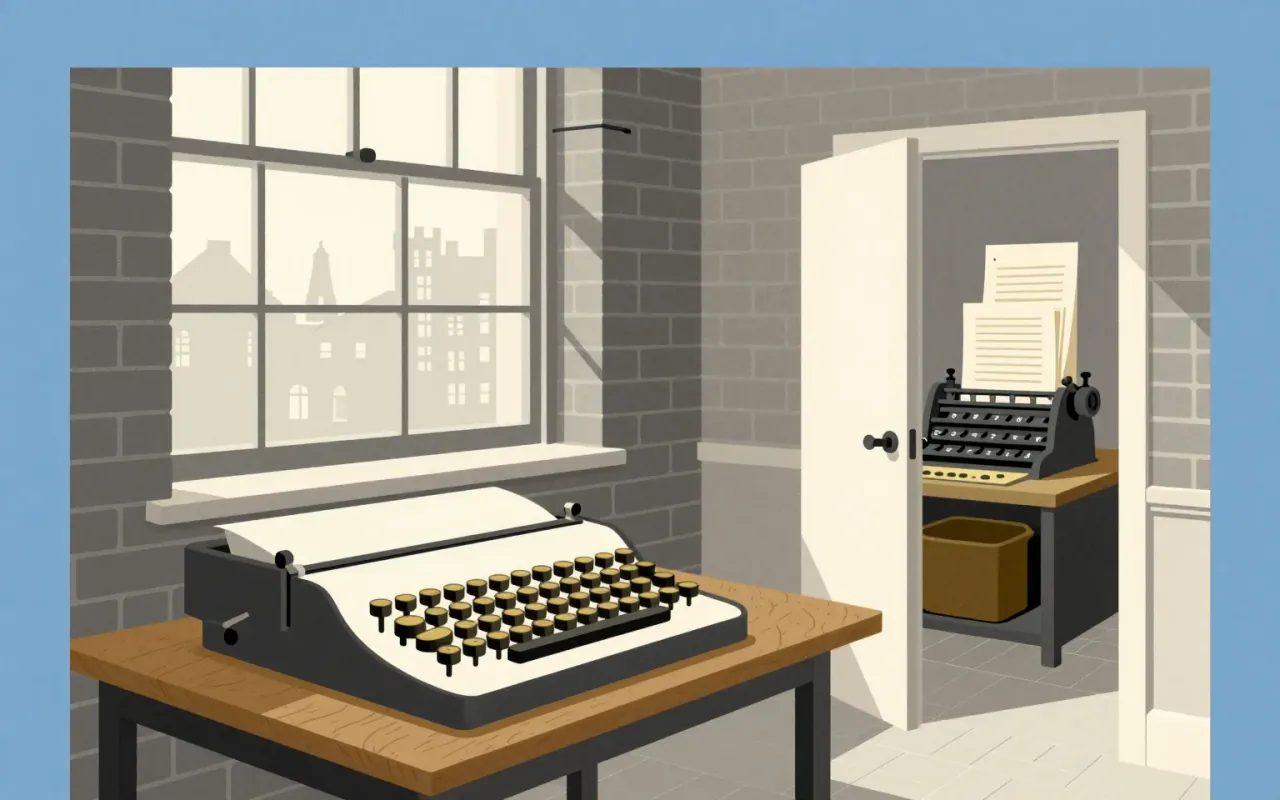
Times New Roman is a functional, collaborative, constraint-led typographic revision — not an origin story. Its power lies in what it omitted: flourish, novelty, and authorial ego. It succeeded by being invisible on the page and unavoidable in use.
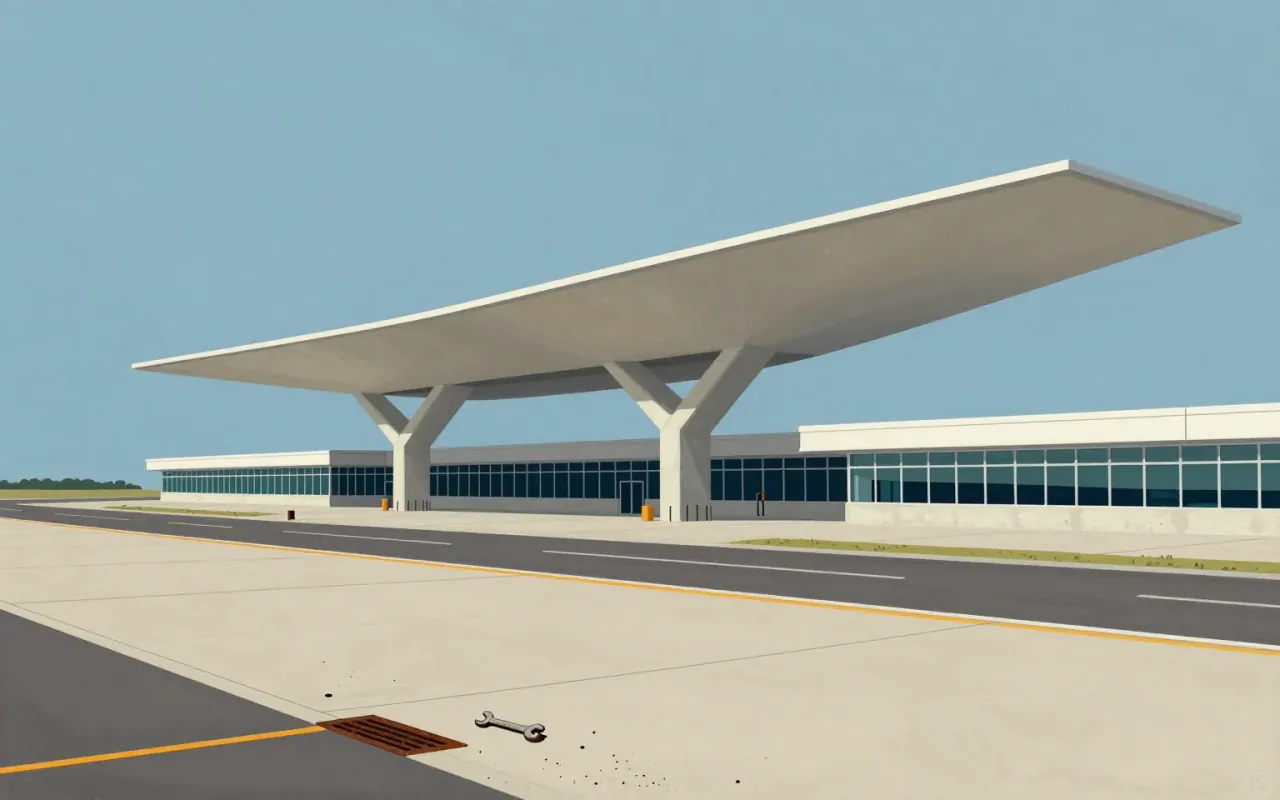
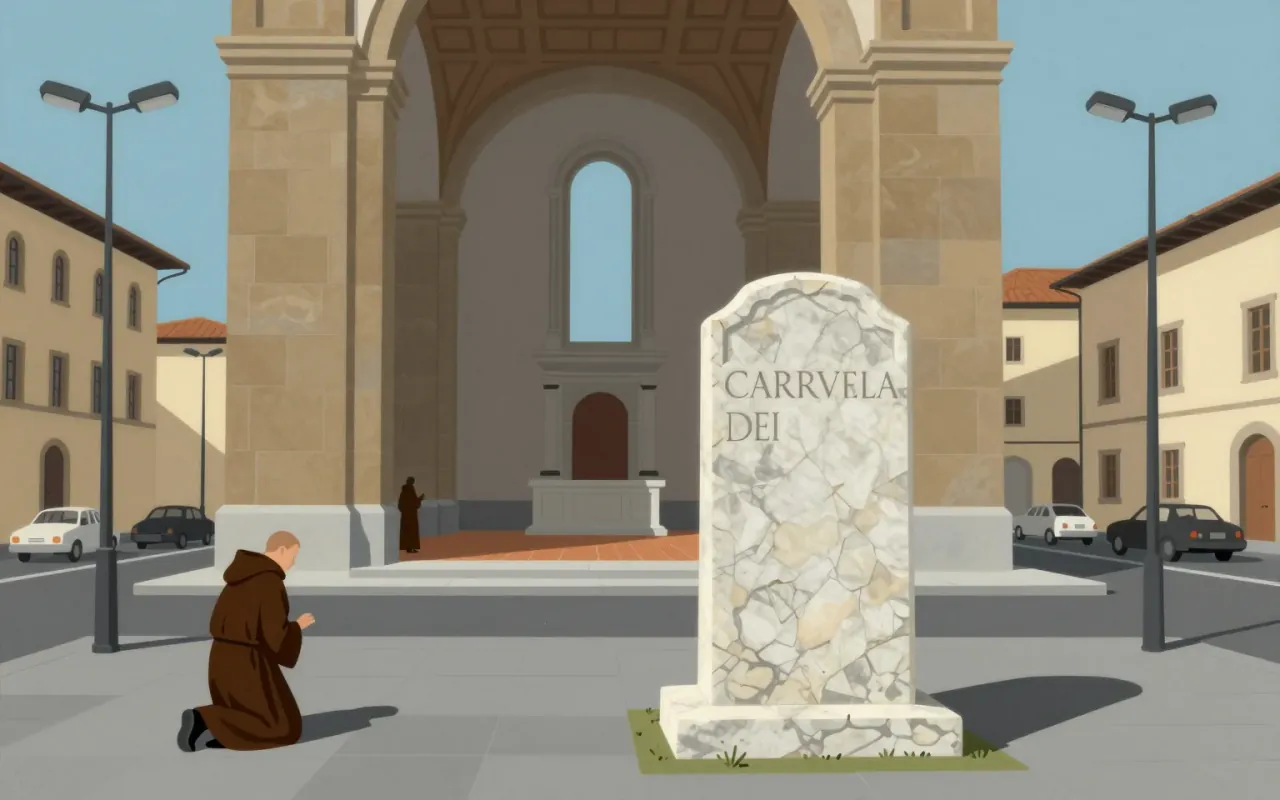
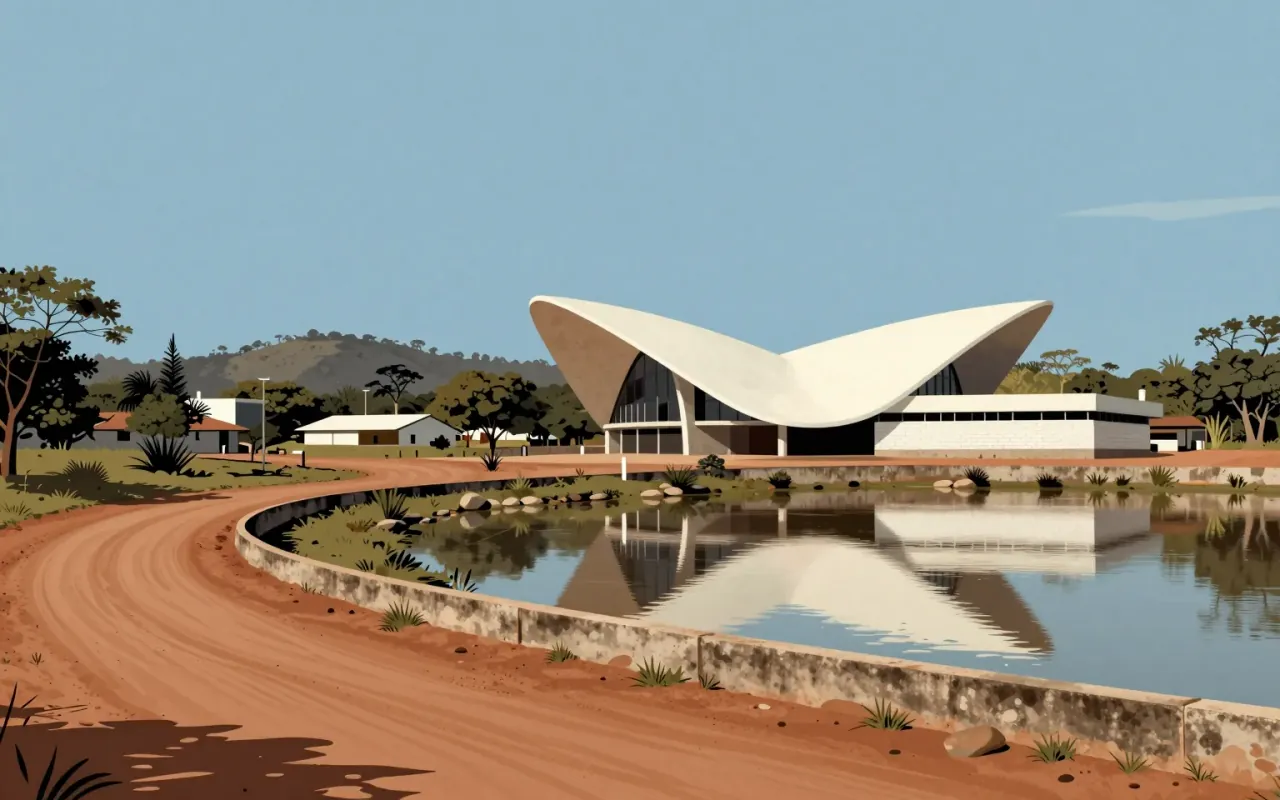
A terminal built for Trans World Airlines at JFK Airport in 1962. Designed by Eero Saarinen and Associates with Charles J. Parise. Its wing-shaped thin-shell concrete roof uses catenary curves and rests on four Y-shaped piers. Developed through physical modelling—not sketching—after empirical study of passenger movement. Adapted into the TWA Hotel in 2019, retaining Saarinen’s furniture.
Univers is a foundational typographic system — not a single face but a rigorously unified family. Its design decisions were driven by technical constraints (phototype + metal), conceptual ambition (a complete, logical family), and aesthetic rejection (of Futura’s geometry). It succeeded where others had only gestured: by delivering consistency, scalability, and clarity — all before a single character was cast or exposed.
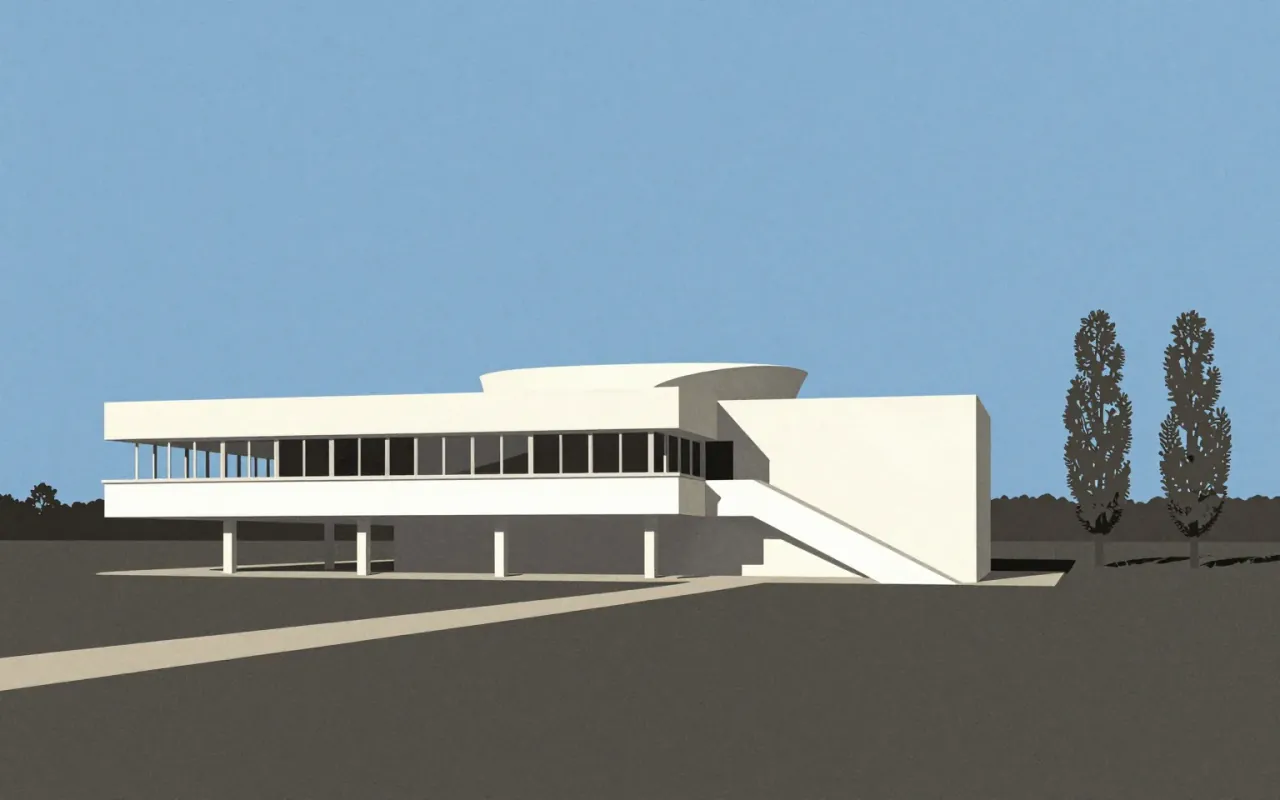
The Villa Savoye is the definitive built statement of Le Corbusier’s Five Points — executed with rare freedom, then adjusted under cost pressure. Its influence is verified; its compromises are documented. It is not timeless. It is specific, material, contested, and consequential.
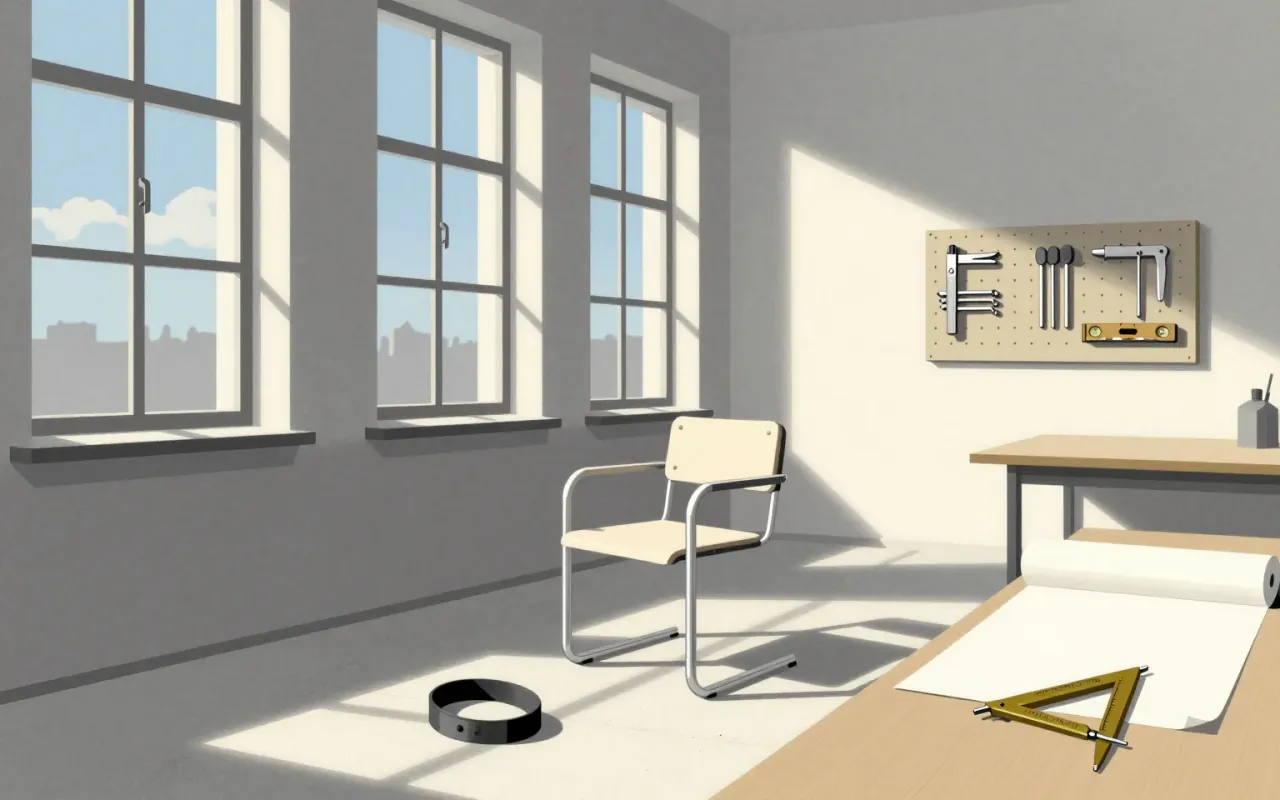
The Wassily chair is the first successful application of bent tubular steel as primary structure in furniture. Its material logic — steel for skeleton, Eisengarn for tensioned skin — replaced joinery with engineering. It was made possible by Mannesmann tubing, Reichardt’s textile work, and Thonet’s manufacturing capacity — not by theory alone. It is not about expression. It is about what happens when you treat furniture as a system of forces.